
Bonding, veneers and whitening
No-preparation veneers, veneer thickness and future removal
No-preparation veneers can be appropriate in selected cases where the original tooth is relatively small or set back and adding material improves contour.
Discover what could suit your smile
Whether you are thinking about colour, shape or a subtle change, a £30 consultation is a welcoming place to share your ideas, ask questions and explore a personalised approach.
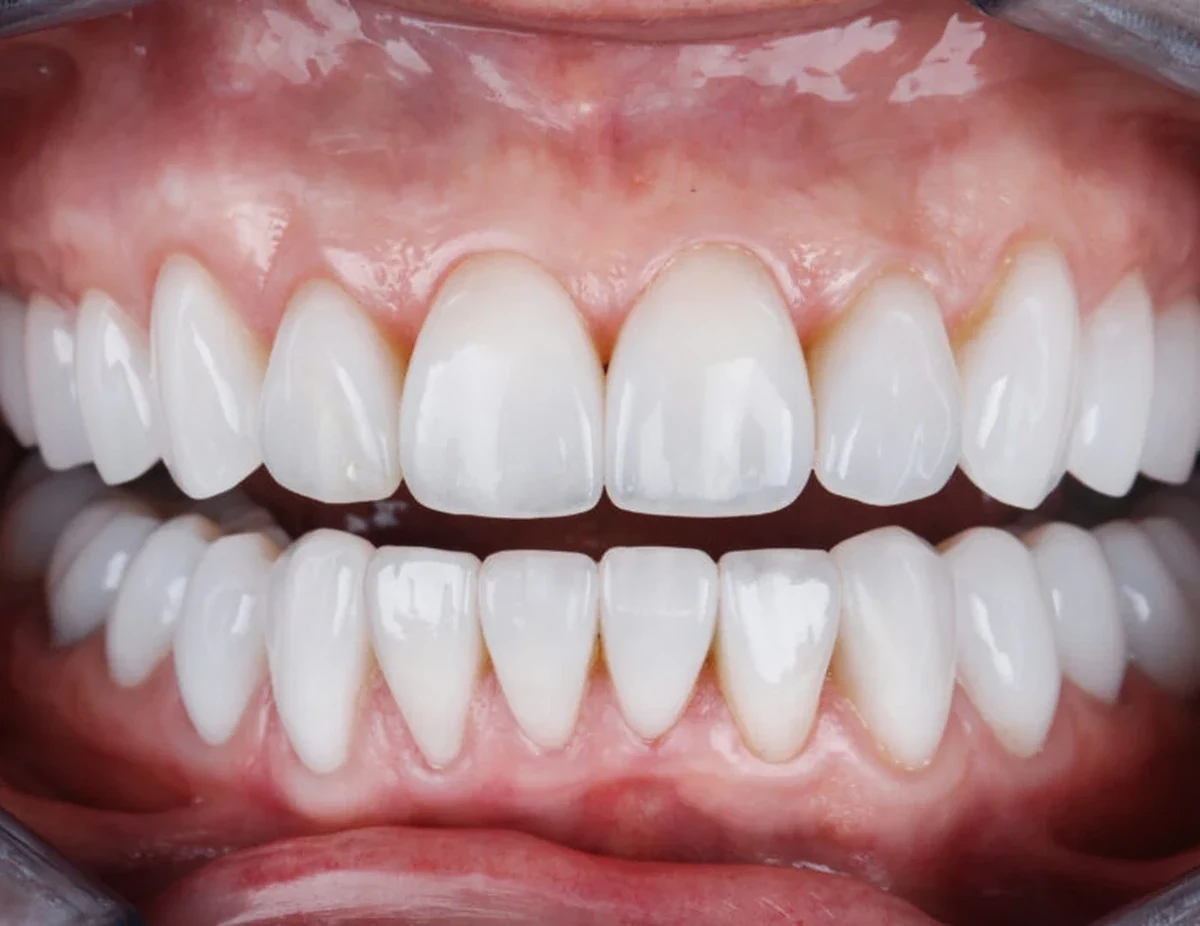
No-preparation veneers can be appropriate in selected cases where the original tooth is relatively small or set back and adding material improves contour. They are not automatically possible on prominent teeth or where an added layer would look bulky. Even very thin ceramic has physical thickness and requires an appropriate bond and margin design.
Are no-preparation veneers really possible?
No-preparation veneers may suit small or set-back teeth where there is room to add ceramic without excessive thickness. The assessment checks tooth projection, space, gum contours, the intended edge and cleaning access. Ultra-thin ceramic still has thickness and needs a secure bond. On already prominent teeth it may create bulk, so orthodontics, enamel reduction or another option may be more appropriate. Some cases need minor enamel changes despite a minimal-preparation aim. A mock-up viewed from the front, edge and side can show the likely contour, and any proposed drilling needs a clear explanation.
Can porcelain veneers be removed later?
A porcelain veneer is bonded to the tooth and needs careful professional removal. Separating ceramic and cement may also remove underlying tissue, whether the original surface was prepared or not. The records should show the original preparation and any exposed dentine. Where enamel has been reduced, the tooth cannot return to its untouched condition and may need long-term restoration. Repair, a replacement veneer or different coverage may be suitable, depending on the remaining tissue. 'Thin', 'minimal-prep' and 'no-prep' labels should therefore be accompanied by an individual explanation of removal and reversibility before treatment.
How thin is a porcelain veneer?
Veneer thickness is chosen to balance strength, contour and colour masking. The term 'ultra-thin' says nothing about whether a veneer will fit the bite or mask the underlying colour. Preparation depth depends on material, shade and tooth position. The thinnest available material is not always the most suitable if the underlying tooth is dark or the bite is unfavourable.
The suitable veneer thickness depends on the ceramic, starting shade, tooth position and room for the proposed shape. A thin enamel-bonded facing can suit selected teeth, while a dark tooth may need more space for masking. Minimal thickness alone cannot guarantee a natural, slim result. Establish why the planned preparation and thickness preserve as much enamel as possible while allowing adequate material strength and the intended colour.
No-preparation veneers still need room for their contours
With no-preparation veneers, the dentist still has to create an acceptable final contour and determine how the ceramic edge will finish against the tooth. Very prominent teeth may look bulkier if extra thickness is placed on top without reduction. A mock-up can demonstrate this before treatment begins. If the patient expects easy future removal, explain which surfaces may still be affected by cement removal and what restoration would be needed if a veneer is later replaced.
Understanding preparation and later replacement
Before deciding, compare the intended addition, any enamel preparation and what future removal or replacement could involve. A trial shape can help judge bulk and profile. The written plan should make clear whether treatment is entirely additive or requires irreversible changes to the tooth.
Sources for further reading
Your next step, when you’re ready
We would be pleased to welcome you for a £30 consultation at your preferred Iconic Smiles practice. Bring your questions, and we can talk through the options that may suit you.
Any additional investigations and their fees will be explained before you decide.