
Bonding, veneers and whitening
Feldspathic Porcelain Veneers: When Are Ultra-Thin Ceramics Suitable?
Feldspathic porcelain has long been used for highly aesthetic dental veneers because it can be layered with subtle differences in translucency, brightness and surface texture.
Discover what could suit your smile
Whether you are thinking about colour, shape or a subtle change, a £30 consultation is a welcoming place to share your ideas, ask questions and explore a personalised approach.
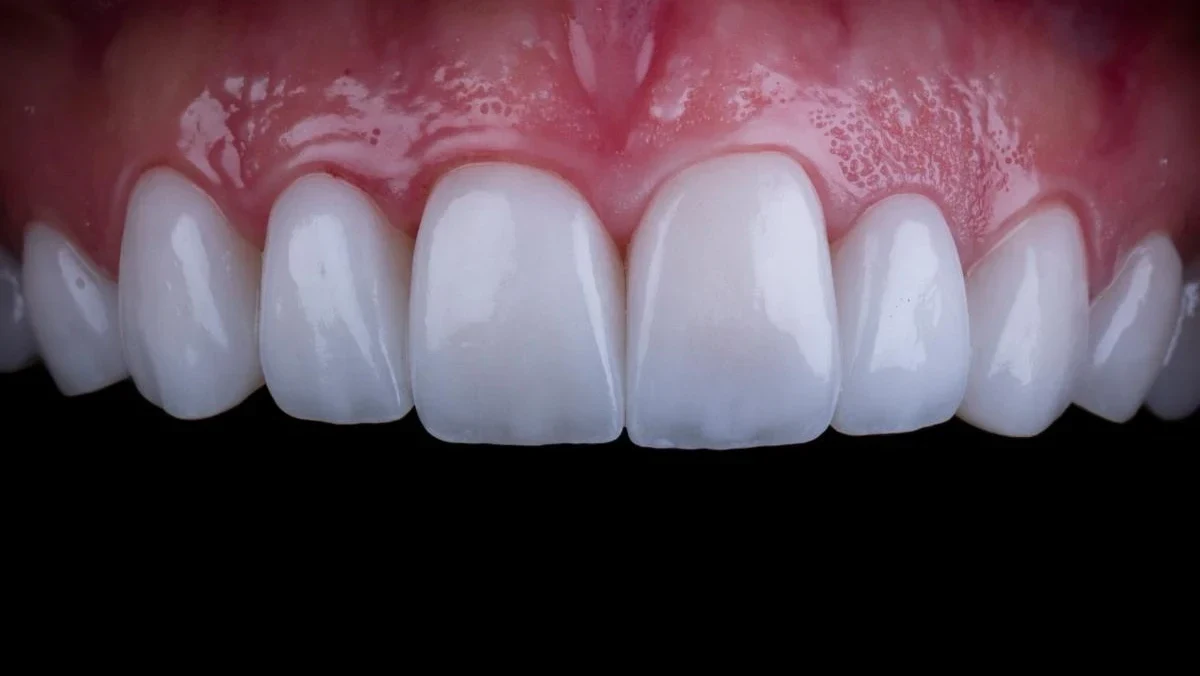
Feldspathic porcelain may suit a thin veneer when there is appropriate enamel support, a suitable bite and a modest enough colour and shape change. A technician can layer it for subtle translucency and texture. The material name alone cannot establish how conservative treatment would be; the starting tooth and intended result determine the preparation.
What makes this type of porcelain distinctive?
Unlike a crown designed to cover an entire tooth, a veneer is a thin facing bonded to selected surfaces. Feldspathic porcelain can be built by a dental technician with different ceramic powders, allowing localised control of colour and edge effects. A delicate incisal edge may look remarkably lifelike when the underlying tooth is light and the desired change is modest. Thinness is also a limitation: highly discoloured teeth may show through, and ambitious attempts to mask a dark stump can produce an opaque result or require more material than originally anticipated.
Preparation depends on the starting tooth position
If a front tooth already protrudes, adding porcelain without making room can increase its apparent bulk. If it is recessed or small, an additive veneer may be possible with limited preparation. An orthodontic consultation can sometimes improve tooth position so that less enamel needs to be altered for the final ceramic design. The dentist should examine the smile from the side and consider lip support, gum emergence and the location of the biting edge. A planned thickness shown on a mock-up is more informative than a promise that every veneer will be 'contact lens thin'.
Why enamel support matters
The bond and underlying tooth contribute to how a ceramic veneer performs. Healthy enamel is useful for bonding; large fillings, exposed dentine or wear can make the foundation more complex. A veneer may still be possible, but another material or restoration may be more appropriate. The plan should show margin positions and whether preparation enters dentine, explaining what that means for your tooth.
Bite design is part of veneer design
Lengthening a ceramic edge can expose it to heavy contacts when the jaw moves forwards or sideways. Deep bites, wear facets and grinding or clenching therefore need assessment first. A smaller increase or suitable protective appliance may be considered. A mock-up helps with speech and appearance, while the bite examination establishes whether the proposed edge has enough room and support.
Compare alternatives honestly
Composite bonding can be adjusted and repaired chairside, which may be attractive for minor changes on intact teeth. Lithium disilicate is another ceramic option, with different processing and optical characteristics; it is often considered when greater structural demands or a different thickness are involved. A full crown should not be offered merely because the patient wants whiter teeth if the natural tooth structure could be conserved. Each treatment involves distinct future maintenance, replacement costs and preparation implications. The dentist should say what is gained by the chosen ceramic, not only what material the laboratory prefers.
What a comprehensive consultation should produce
The proposal should identify the teeth that need veneers and whether whitening or alignment could reduce alteration. Discuss trials, shade, surface finishing and gum care alongside maintenance and eventual replacement. This helps compare the immediate appearance with the long-term commitment to the tooth.
References and further reading
Book an assessment
The practices are in Hatfield and Cheshunt in Hertfordshire, and Friern Barnet in North London. For travel from Bedfordshire, Buckinghamshire or Essex, confirm the actual practice and any sites involved in later stages.
Editorially updated: 27 October 2026.
Your next step, when you’re ready
We would be pleased to welcome you for a £30 consultation at your preferred Iconic Smiles practice. Bring your questions, and we can talk through the options that may suit you.
Any additional investigations and their fees will be explained before you decide.