
Bonding, veneers and whitening
How long do porcelain veneers last? What to know before choosing
Wondering how long porcelain veneers last? Explore what studies can tell us, what they cannot and how preparation and aftercare affect the years ahead.
Discover what could suit your smile
Whether you are thinking about colour, shape or a subtle change, a £30 consultation is a welcoming place to share your ideas, ask questions and explore a personalised approach.
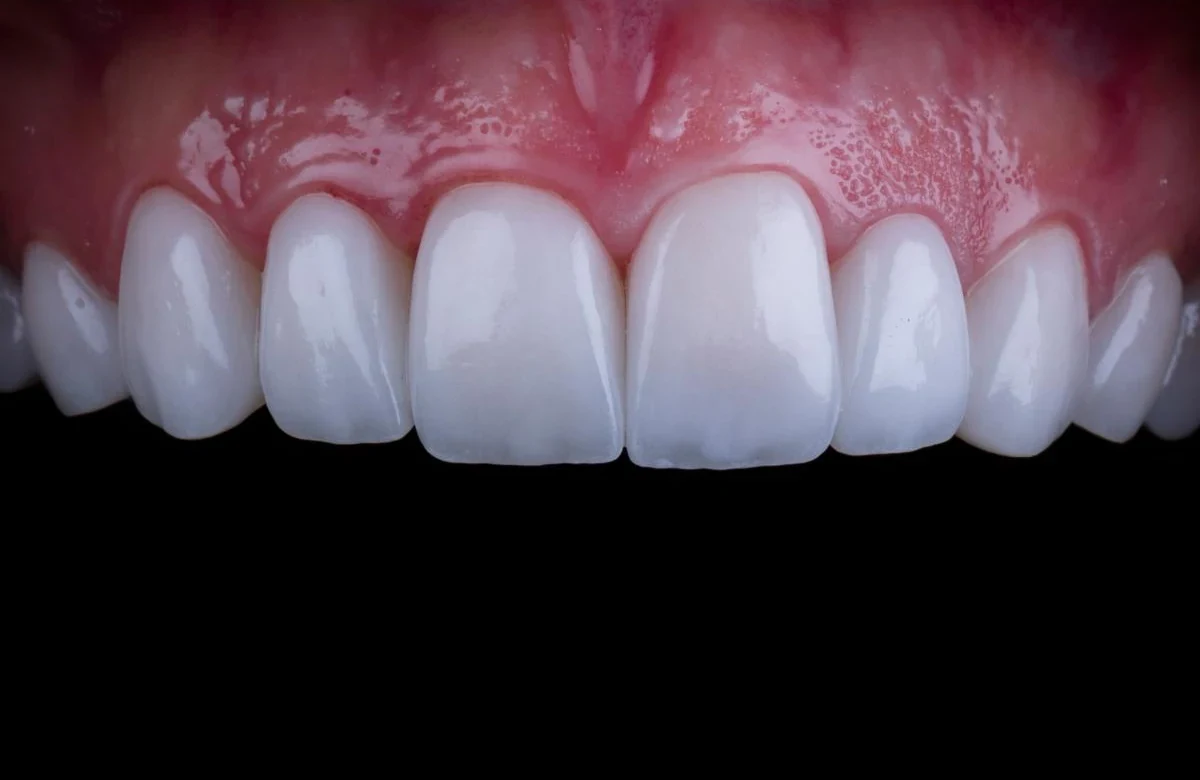
Porcelain veneers can provide long-term service, but no study can give your individual veneer a guaranteed lifespan. The starting tooth, preparation, material, bite and maintenance affect its outlook. A veneer may also remain in place while needing a repair or appearance adjustment, which belongs in the decision before treatment.
A person considering veneers often asks for one simple lifespan: ten years, fifteen years or perhaps forever. Research cannot provide a guaranteed replacement date for an individual restoration. A veneer may remain in place yet need a repair, polish or aesthetic adjustment, and studies do not always define success in the same way. What matters is the ceramic and adhesive system, the amount of enamel available, the bite, the patient's habits and the quality of maintenance. Understanding the difference between survival and being completely problem-free makes financial and clinical expectations more realistic.
Survival is not the same as perfect condition
Studies define survival and complications differently. A veneer may count as surviving while still needing repair or treatment for colour changes. A systematic review assessed technical, appearance and biological complications separately and reported favourable longer-term results for several established glass ceramics, with variation across populations and methods. Before comparing percentages, establish whether they concern the material and indication proposed for your teeth.
The tooth underneath influences prognosis
Adhesive bonding is often more predictable when a veneer can be retained predominantly on suitable enamel. A tooth carrying a large old composite restoration or exposed dentine presents a different substrate. Very dark teeth may require thicker ceramics for masking, and crowding may lead to more preparation unless alignment is considered first. The clinician should explain how much natural structure is present and whether the veneer margins will be in a cleanable location. A generic ten-year promise that ignores the starting tooth condition is not a reliable form of consent.
Bite design and daily function matter
A veneer is part of the patient's functional bite, particularly when porcelain extends over the incisal edge. The dentist assesses overbite, tooth contact during jaw movements and any bruxism or heavy clenching. Not every patient needs the same edge design or the same number of veneers. Some may benefit from orthodontic movement or selective contour adjustment before restorative work. The aim is to avoid forcing a thin ceramic shell into an unfavourable load pattern. Where a protective appliance is appropriate, the clinician should explain its purpose and maintenance rather than assuming that a material's strength removes bite considerations.
Material categories are not interchangeable
Feldspathic porcelain, lithium disilicate and zirconia have different compositions, optical properties and bonding protocols. A veneer survival figure from one group should not automatically be assigned to another. Recent reviews note longer follow-up evidence for established glass-ceramic veneers than for some zirconia veneer applications. The brand name alone does not identify every important design choice. Ask why the clinician recommends a specific material for your enamel, shade and desired contours, and whether a more conservative composite alternative could achieve an acceptable result.
Maintenance and future replacement should be discussed
Veneers require routine oral hygiene, professional examination and attention to periodontal health. Whitening the surrounding natural teeth in future will not lighten the veneer itself, so colour coordination may change. A restoration can need replacement because of new decay, altered gumline, changes in bite or dissatisfaction with its appearance. Replacement may not leave the underlying tooth exactly as it was before preparation. The financial plan should therefore consider future maintenance rather than treating the original fee as a one-time lifelong purchase.
Choose veneers for the right reasons
The consultation should show the intended shape, preparation, shade plan, alternatives and limits. A mock-up can help test the design, with evidence and uncertainty explained. Include reviews and the possibility of wear, chips, margin discolouration or replacement in the long-term plan so the expected benefit can be weighed against continuing care.
Evidence and further reading
- Systematic review: ceramic veneer survival and complications — PMCID PMC12076113
- Systematic review: veneer bonding substrates — PMID 38604905
- NHS: dental treatment choices
The practices are in Hatfield and Cheshunt in Hertfordshire, and Friern Barnet in North London. If travelling from Bedfordshire, Buckinghamshire or Essex, use the actual clinic address on your confirmation.
Your next step, when you’re ready
We would be pleased to welcome you for a £30 consultation at your preferred Iconic Smiles practice. Bring your questions, and we can talk through the options that may suit you.
Any additional investigations and their fees will be explained before you decide.