
Bonding, veneers and whitening
Minimally Invasive Cosmetic Dentistry: Improving Your Smile While Preserving Natural Teeth
A minimally invasive cosmetic plan aims to avoid unnecessary alteration while addressing the diagnosed concern and the patient's priorities.
Discover what could suit your smile
Whether you are thinking about colour, shape or a subtle change, a £30 consultation is a welcoming place to share your ideas, ask questions and explore a personalised approach.
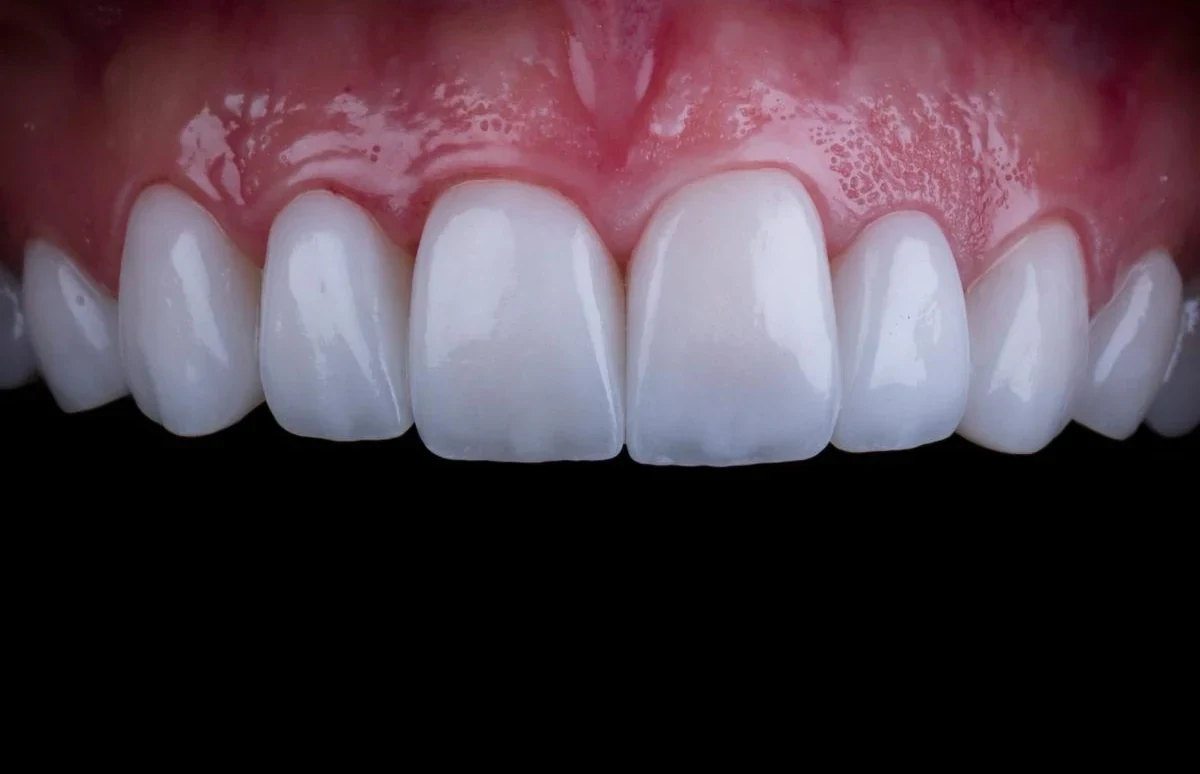
Preservation is a planning principle, not a promise of no treatment
Minimally invasive cosmetic dentistry aims to make a useful smile change while preserving healthy tooth tissue. That still needs an assessment: some teeth need preparation, and a small addition will not solve every problem. Your plan should explain why the proposed amount of treatment suits your teeth and priorities.
Match the treatment to the feature being changed
Whitening changes natural-tooth colour; orthodontic appliances move teeth; veneers change selected visible surfaces. They are not interchangeable ways to achieve every smile goal. A plan should identify whether the concern is colour, position, lost tissue, existing disease or a combination, then explain which stages are clinically reasonable. [1][2][3]
Repair and refurbishment can preserve existing dentistry
NHS England's restoration-management framework includes review, refurbishment, resealing and repair before complete replacement where appropriate. A local defect should therefore prompt assessment of what can remain, rather than automatic removal of an otherwise satisfactory restoration. Preserving material is appropriate only when the retained tooth and restoration are suitable for that plan. [4]
Use the right outcome when comparing long-term value
Research on anterior restorations distinguishes time to another intervention from time to loss of the tooth. These are different outcomes. Observational comparisons can also reflect differences in the original tooth condition and treatment selection; they should not be read as proving that a restoration type alone causes later tooth loss. Ask what is being preserved and what outcome supports the recommendation. [5]
Do enough treatment for the actual condition
A tooth with extensive damage may need a different restorative plan from an intact tooth with a small appearance concern. Ask which findings make a more extensive option necessary and what a smaller treatment would fail to address. The aim is a justified balance between preserving healthy tissues, function and the likely maintenance commitment, not the smallest restoration regardless of its limitations.
Consider the next treatment cycle before starting this one
Ask what could later chip, stain or need repair, how the proposed shape will be cleaned and what further treatment might involve. Composite-repair evidence supports considering local treatment in selected cases, with uncertainty. A conservative first procedure should still include an understandable aftercare and replacement discussion, along with a complete estimate and reasonable alternatives. [6]
Research and guidance
Your next step, when you’re ready
We would be pleased to welcome you for a £30 consultation at your preferred Iconic Smiles practice. Bring your questions, and we can talk through the options that may suit you.
Any additional investigations and their fees will be explained before you decide.