
Bonding, veneers and whitening
Keeping veneers clean without damaging the surface
Porcelain restorations are relatively stain resistant, but the cement line, exposed natural tooth and surrounding gums still need care.
Discover what could suit your smile
Whether you are thinking about colour, shape or a subtle change, a £30 consultation is a welcoming place to share your ideas, ask questions and explore a personalised approach.
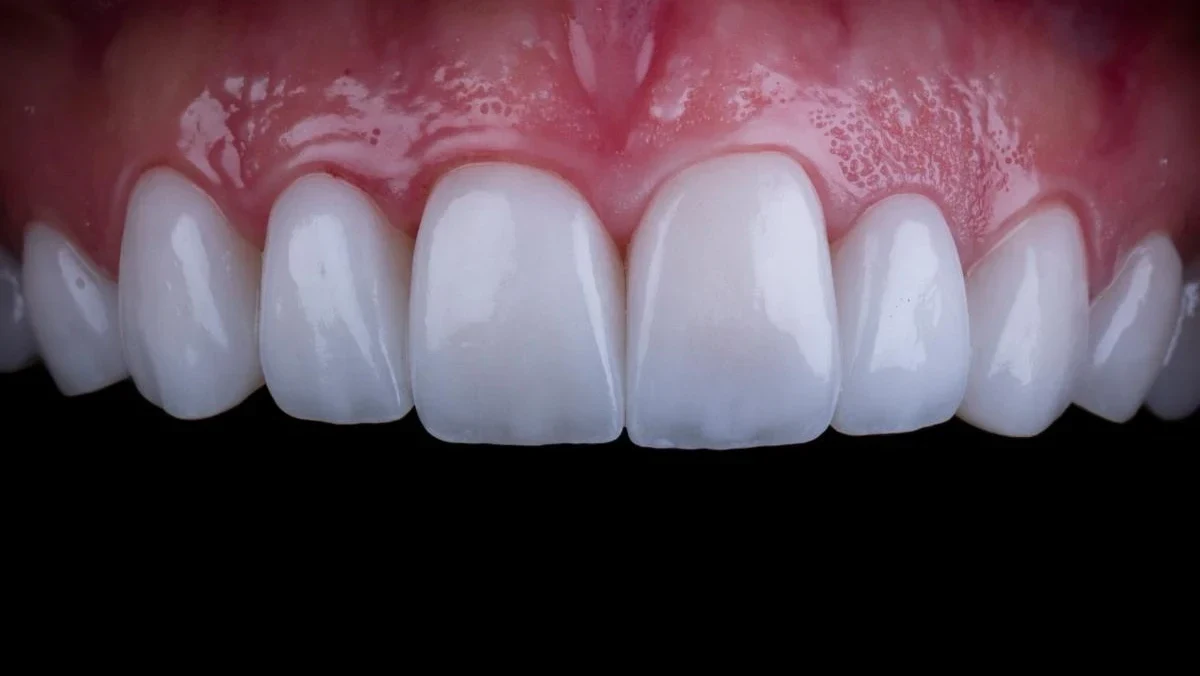
Veneers still need gentle brushing, cleaning between teeth and professional care suited to the ceramic. Porcelain resists many stains, but exposed natural tooth, the cement line and surrounding gums remain vulnerable. An unsuitable abrasive or instrument can affect the finish, while effective home care depends on technique rather than a harder brush.
Can an electric toothbrush damage porcelain veneers?
A soft electric toothbrush used gently is not normally expected to damage sound porcelain. The main concerns are excessive pressure, abrasive toothpaste and their effects on gums, exposed roots and margins. A soft head and suitable non-abrasive products may help protect these areas. Soreness or a receding gum line needs assessment, including a look at your technique, rather than assuming the brush motor is responsible.
Can hygiene instruments scratch porcelain veneers?
Professional cleaning should suit the ceramic, its glazed or polished finish and the condition of its margins. Instruments, powders and polishing pastes vary, so the hygienist adapts them to remove deposits while protecting the restoration. Tell the team about your veneers before treatment. If an area feels rough afterwards, an examination can distinguish remaining deposits, a margin defect and surface damage.
Do porcelain veneers lose their shine over time?
Ceramic often retains its gloss well, but deposits, wear, glaze loss, chips or roughened margins can change its appearance. The dentist considers abrasive habits, opposing contacts, staining and the condition of the surface and cement line. Suitable professional polishing may improve a superficial change, while a fracture or margin problem needs a different response. Shine alone does not establish that the underlying tooth is healthy. Avoid abrasive home polishing, especially around natural teeth and composite cement, and arrange a review for a changed texture.
Distinguishing surface stain from an edge problem
For example, a dull-looking veneer may have external stain that can be removed, or a change at the cement line needing closer assessment. Toothpaste abrasiveness, acidic exposures and previous instrumentation may be relevant alongside brushing. Whitening gel will not change the ceramic's intrinsic colour, so it should not be used as a way to restore its original shade or shine.
Choose cleaning and repair for the cause
Keep the team informed about the restorations you have so cleaning methods can be chosen appropriately. If the appearance changes, identify the cause before deciding on treatment. Professional polishing or a local repair may be suitable in some cases, with replacement considered according to the condition of the veneer and tooth.
Sources for further reading
Your next step, when you’re ready
We would be pleased to welcome you for a £30 consultation at your preferred Iconic Smiles practice. Bring your questions, and we can talk through the options that may suit you.
Any additional investigations and their fees will be explained before you decide.