
Bonding, veneers and whitening
Masking a Dark Tooth with Ceramic Veneers
A ceramic veneer or crown does not have an independent colour divorced from the tooth beneath it.
Discover what could suit your smile
Whether you are thinking about colour, shape or a subtle change, a £30 consultation is a welcoming place to share your ideas, ask questions and explore a personalised approach.
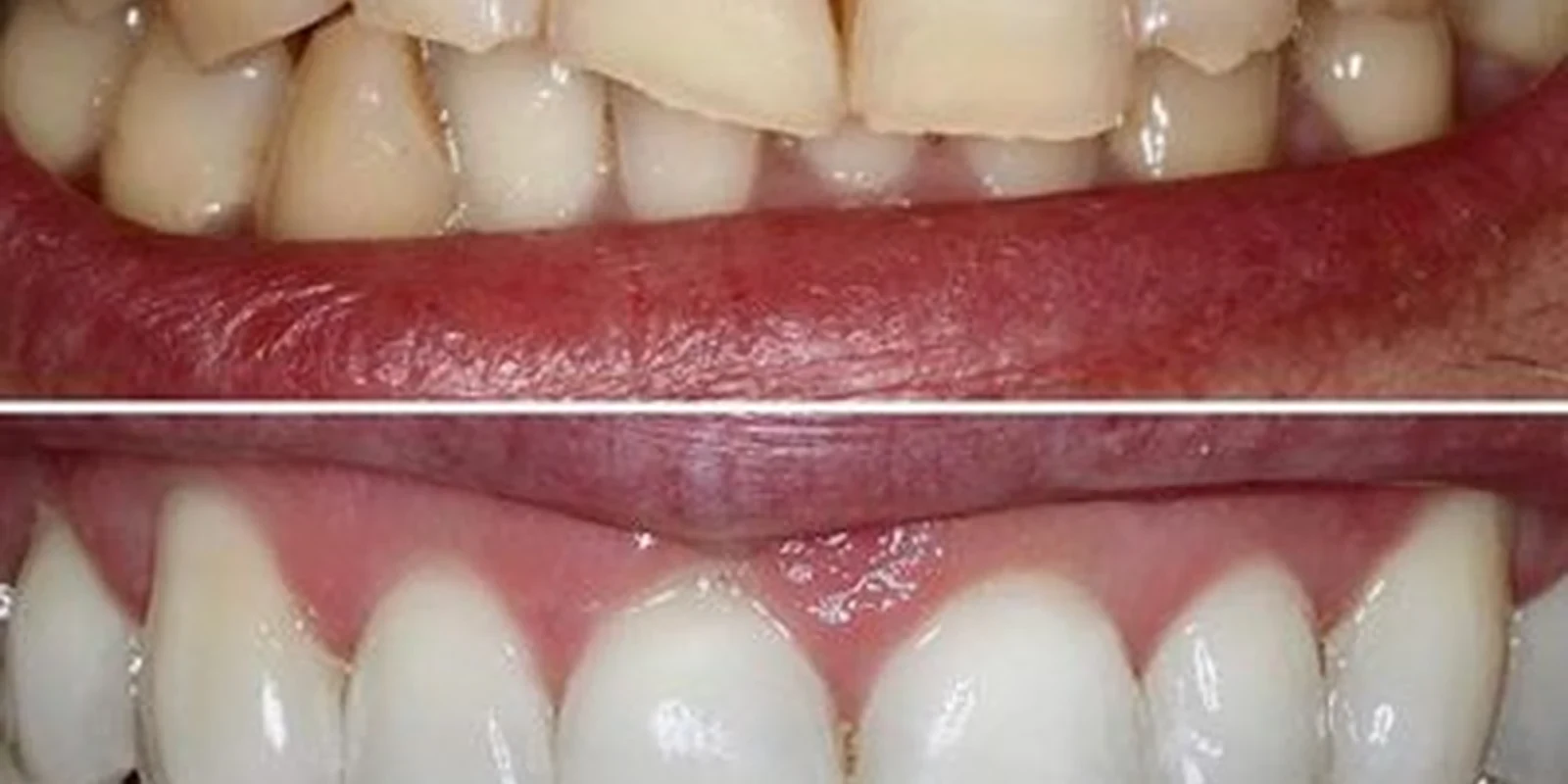
Ceramic may mask a dark tooth, but the final colour depends on the underlying tooth as well as the veneer or crown. Dentine, old core material, ceramic thickness and bonding cement all influence what you see. A bright shade code alone may be insufficient. The plan needs to balance covering the darkness, retaining natural translucency and preserving healthy enamel.
Identify where the darkness comes from
A tooth may be discoloured following root treatment, trauma or restorative materials, while an old metal post or core can also alter the appearance of a crown. The dentist checks the structural and clinical condition before treating it as purely an aesthetic issue. In suitable cases, whitening or replacement of a defective internal restoration might reduce the amount of optical masking required. The chosen plan should not sacrifice sound tissue just to avoid exploring these possibilities.
Why opaque ceramic can look flat
Natural teeth transmit light, particularly near their edges. More opaque ceramic may hide darkness but look flat or uniformly white beside enamel. Suitable layering or another ceramic system may help balance masking with natural detail. The laboratory needs photographs, the underlying shade and intended thickness to judge that balance.
Thickness and preparation are linked
More material may be required to block intense colour, but creating space for it can involve additional enamel or dentine removal. A very thick no-preparation veneer may appear bulky and affect the gumline, while excessive preparation reduces valuable bonding substrate. The dentist should compare a conservative veneer, direct composite, internal whitening and a crown if structural needs justify it. Material claims should be based on indication, not fashion.
Trial the optical result where possible
Shade samples, provisional restorations and laboratory communication can reduce uncertainty. The final appearance may change with hydration, surrounding light and the cement used during definitive bonding. Patients should understand whether try-in pastes are available for the selected system and how the clinician will approve the shade before permanently fixing the ceramic. A photograph under one operating light should not be regarded as proof of identical appearance in every environment.
Preserve function and maintainability
The restoration must have suitable margins, contacts and occlusal shape, even when masking is the principal aesthetic goal. Ask how much dark substrate remains, what opacity compromises are expected and whether simpler whitening or bonding could meet the objective. A beautiful single crown depends on harmonising tooth structure, ceramic optics and tissue health, not choosing the whitest material available.
Shade correction before deciding how thick the ceramic should be
A thin, translucent veneer on a front tooth darkened after trauma may let the underlying colour show through. A more opaque ceramic may conceal it but lose some of the natural depth of the neighbouring tooth. The dentist and technician need to assess the space available, whether conservative treatment can lighten the starting tooth and whether extra ceramic thickness would require further irreversible preparation.
A healthy but deeply stained tooth beside a crown may instead suit staged whitening or selected composite masking before enamel is prepared for ceramic. Photographs in different hydration conditions and a record of the prepared-tooth shade can help where substantial restoration is proposed. A trial or shade demonstration should show a realistic aim: darker underlying colour, uneven gum levels and changing light can prevent perfect symmetry. Weigh the appearance gained against the healthy tooth altered.
The laboratory needs more than a shade number
For one dark incisor beside natural teeth, the clinician should record the starting tooth colour, the surrounding enamel and the appearance under different lighting. A thin, highly translucent veneer may allow a dark core to show through; an opaque ceramic can mask it but may appear flat beside a living tooth if the surface texture and translucency are not designed carefully. A diagnostic mock-up, calibrated photography and clear communication about the underlying substrate can help the dentist and technician choose a realistic strategy. The final plan must also respect available enamel and bite contacts. If achieving the desired colour would require excessive preparation, whitening or additive composite may be more conservative. Ask whether the proposed restoration is a veneer or a crown, what tooth structure must be removed and how the team will check the shade before definitive bonding.
Your next step, when you’re ready
We would be pleased to welcome you for a £30 consultation at your preferred Iconic Smiles practice. Bring your questions, and we can talk through the options that may suit you.
Any additional investigations and their fees will be explained before you decide.