
Bonding, veneers and whitening
Choosing ceramic veneers: zirconia or glass ceramic?
Compare ceramic veneer materials with a focus on natural appearance, enamel preservation and suitability for your smile.
Discover what could suit your smile
Whether you are thinking about colour, shape or a subtle change, a £30 consultation is a welcoming place to share your ideas, ask questions and explore a personalised approach.
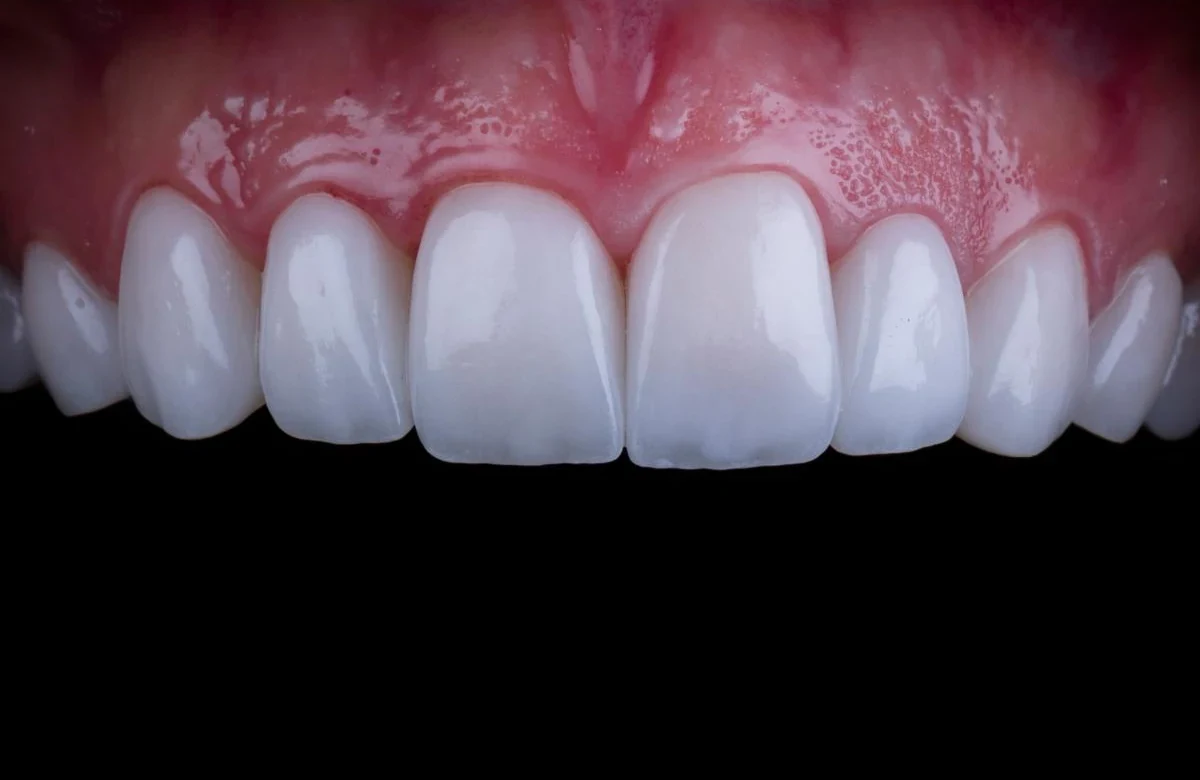
For bonded veneers, compare glass ceramic and zirconia by their evidence, bonding requirements and appearance on your teeth. Strength alone cannot select the material. The plan also needs to explain why veneers are appropriate and how much preparation they would involve.
A patient researching veneers may find zirconia advertised as extremely strong and therefore assume it must make the best veneer. Strength is relevant, but thin cosmetic veneers rely heavily on the relationship between ceramic, adhesive and underlying tooth. Modern glass-ceramic materials, including feldspathic and lithium-disilicate options, have a longer clinical history for many bonded veneer indications. Zirconia may have selected uses, but its bonding behaviour and evidence base require careful consideration. The most informed decision is about preparation, colour masking, enamel and follow-up data—not a simplistic strength contest.
A veneer works as a bonded system
A veneer is a relatively thin facing usually attached to the front of a tooth. It experiences bending, shear and functional forces when the patient bites and speaks. Its resistance to failure depends on restoration thickness, geometry, substrate, adhesive technique and occlusion, not just a laboratory flexural-strength figure. Intact enamel is often a valuable bonding surface. Teeth with large old fillings or exposed dentine may require more complex planning. Patients should ask whether the veneer design can remain mostly in enamel and whether the proposed material is appropriate for the underlying colour.
Glass ceramics have particular adhesive properties
Feldspathic porcelain and lithium-disilicate ceramics contain silica-based glass phases that can be conditioned for adhesive bonding using established, material-specific protocols. This does not mean every veneer preparation is risk-free. The clinician must control moisture, prepare the tooth appropriately and select a suitable cement. Glass ceramics are chosen partly for their optical qualities, allowing translucency and layered character that can resemble enamel. Where a dark tooth needs masking, more opacity or thickness may be required; the amount of preparation must be discussed before assuming 'ultra-thin' means no drilling.
Zirconia is a different class of ceramic
Zirconia has a crystalline structure and is not etched with hydrofluoric acid in the same way as glass ceramics. Bonding may use suitable surface treatment and phosphate-containing primers. Evidence for a very thin zirconia veneer is different from evidence for a zirconia crown. Formulations also vary in translucency. High strength cannot replace a reliable tooth-to-ceramic bond or make a veneer permanent and indestructible.
What the long-term studies show
A 2024 systematic review and meta-analysis found substantial long-term evidence for feldspathic and lithium-disilicate veneers, while noting no comparable long-term zirconia veneer data. The zirconia results came from shorter follow-up and cannot establish equivalent ten-year performance. This leaves different levels of certainty for different indications. A recommendation should identify the evidence relevant to the veneer actually proposed.
Tooth preservation and aesthetics should lead
For a healthy tooth requiring minor edge or shape correction, direct composite or orthodontics may conserve more enamel than any veneer. If porcelain is justified, assess smile line, gum levels, bite, desired shade and how much of the underlying tooth will be covered. The proposed veneer should have a clear plan for thickness, margin position, bonding and future maintenance. A laboratory material may offer excellent optical results in one patient and be the wrong solution for another. The clinician should explain alternatives rather than offering one material as a universal premium upgrade.
Ask the questions the brochure omits
Before choosing, understand the evidence for this material as a thin veneer, the remaining enamel, potential background colour and planned preparation and bonding. Include repair limits and the costs of trial, laboratory work, fitting and reviews. The appropriate ceramic needs a reason tied to your anatomy and goals.
Evidence and further reading
- Systematic review: ceramic veneer survival and complications — PMCID PMC12076113
- Systematic review: veneer bonding substrates — PMID 38604905
- NHS: dental treatment choices
The practices are in Hatfield and Cheshunt in Hertfordshire, and Friern Barnet in North London. If travelling from Bedfordshire, Buckinghamshire or Essex, use the actual clinic address on your confirmation.
What the published evidence adds
A review of zirconia bonding strategies discusses the importance of surface treatment and MDP-containing primers; its laboratory and clinical evidence should not be interpreted as a guarantee for any particular veneer. Read the source
Why Zirconia Veneers Need Different Bonding Preparation
Zirconia's crystalline surface is unlike glass ceramic, changing how dentists plan mechanical retention and chemical adhesion.
Comparing the material, design and bonding method
The material should be identified precisely in the quotation, including thickness, optical properties and how it will be bonded or cemented. Suitable alternatives may involve another surface protocol, a different design or ceramic, or selected repair that avoids unnecessary preparation. The choice should follow the tooth and the evidence.
Zirconia has a crystalline structure without the glass component that common ceramic etching treatments act on. It therefore needs different mechanical and chemical surface preparation for bonding. The material also affects translucency and retention, so calling every ceramic porcelain can obscure differences that matter to your proposed veneer.
Further reading (background sources)
- NHS: dental treatment information — background reading
- — background reading
Your next step
Areas we serve: Hertfordshire · Bedfordshire · Buckinghamshire · Essex. Our actual clinics are in Hatfield, Cheshunt and Friern Barnet; Bedfordshire, Buckinghamshire and Essex are patient catchment areas, not additional clinic sites.
Further questions to consider before treatment
- Identify the actual ceramic and how its properties fit the intended appearance and preparation.
- Bonding methods differ by ceramic and tooth surface, with any necessary preparation explained before treatment.
Your next step, when you’re ready
We would be pleased to welcome you for a £30 consultation at your preferred Iconic Smiles practice. Bring your questions, and we can talk through the options that may suit you.
Any additional investigations and their fees will be explained before you decide.