
Bonding, veneers and whitening
Smile makeover appointments: visits, treatment stages and time off
Plan the practical stages of a smile makeover, from assessment to fitting and reviews, and discuss visits, work commitments and treatment timing.
Discover what could suit your smile
Whether you are thinking about colour, shape or a subtle change, a £30 consultation is a welcoming place to share your ideas, ask questions and explore a personalised approach.
£30 for a planned-treatment consultation. Scans, additional investigations and emergency assessments may have separate fees; please confirm when booking.
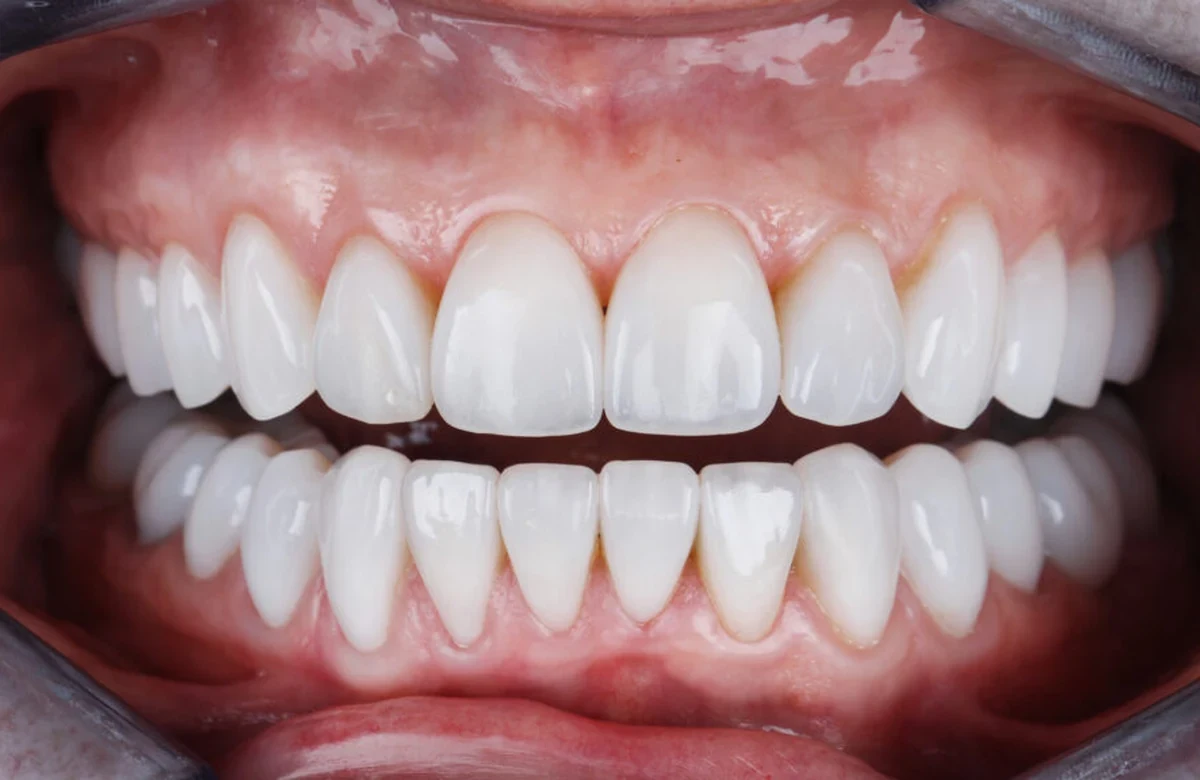
A smile makeover is often shown online as a before-and-after transformation. What happens between those two photographs is rarely as clear. If you have work commitments, childcare, a wedding date or limited flexibility for appointments, knowing the likely number of visits matters almost as much as understanding the treatment itself.
The honest answer is that there is no single appointment count for a 'smile makeover'. That phrase can mean anything from small composite additions completed in one treatment visit to a sequence involving gum care, orthodontics, whitening and laboratory-made restorations. The number of appointments depends on the steps necessary for your teeth, not on how dramatic the finished photograph looks.
First ask what the makeover actually includes
Two people may both describe wanting a straighter, brighter smile, but their starting points are different. One has healthy, aligned teeth with a chipped incisor and surface staining. The other has crowding, several old crowns and a bite that needs assessment. They should not be given identical schedules.
The clinician should identify the separate components of the plan: consultation, clinical records, preparation of dental health, orthodontic movement, whitening, restoration design, fitting and review. Some stages may be unnecessary, while others may take more than one visit.
Ask for an outline of the stages before asking for a final appointment number. A total such as 'three visits' is only useful if you know what happens in each and whether additional work is conditional on findings.
A carefully structured treatment sequence is usually more informative than an optimistic promise to finish by a fixed date.
The planning phase may require more than one conversation
At the first appointment, the dentist may discuss your goals and examine your teeth and gums. More complex cases can require photographs, scans, radiographs where appropriate, treatment planning and input from another clinician or dental laboratory. These may happen at different visits or be combined depending on the practice and case.
You should not assume all records or specialist consultations are included in a headline consultation price. Ask which diagnostics are necessary, what they are intended to establish and what they cost. An investigation should have a clinical purpose, not merely make a package feel more comprehensive.
Some patients also benefit from a separate treatment discussion once findings are available. That provides an opportunity to consider alternatives, ask about materials and decide how much change they really want. The Care Quality Commission's guidance emphasises understanding risks, benefits, alternatives and costs before giving consent. [1]
Time spent resolving uncertainty at the beginning can prevent avoidable changes later.
Sometimes the first stage is improving dental health
If the gums are inflamed, there is untreated decay or a tooth has an unresolved problem, elective cosmetic work may need to wait. A dentist may recommend hygiene treatment, restorative work, periodontal care or another assessment before deciding on veneers or whitening.
That can add visits, but it is not a failure of the makeover plan. New restorations placed around unhealthy gums may be difficult to finish and maintain well, and whitening is not appropriate for every patient with dental problems.
The European Federation of Periodontology describes staged gum disease management, professional cleaning and reassessment after treatment when necessary. [2] The time required depends on the condition and response, so it cannot be sensibly reduced to one fixed cosmetic appointment count.
Ask whether any preparatory care is essential for health, recommended for aesthetics or merely optional. Separating these categories helps you understand why the schedule is longer than the final cosmetic stage alone.
How many visits might composite bonding involve?
A limited composite repair may be suitable for completion in a single treatment appointment after assessment and planning. Several teeth needing more detailed aesthetic shaping may require additional time, records or trial design. The clinician may also recommend a review to assess the finish, bite and comfort once you have been using the restorations normally.
Do not assume that 'same-day bonding' means no need for clinical preparation. Tooth health, existing fillings, bite contacts and shade choices still matter. If whitening is part of the plan, the shade sequence may require separate visits or time between treatments.
Some patients may want a temporary preview before extensive bonding, particularly if they are unsure about tooth length or shape. Others have such a small, clearly defined repair that an elaborate mock-up is unnecessary.
The appointment count should follow the scope of the work. It is not automatically a measure of the quality or sophistication of the result.
What about porcelain veneers?
Veneers typically require clinical assessment, design and laboratory manufacturing, though workflows vary and some practices use different technologies. Depending on the plan, appointments may include diagnostics, a trial smile, tooth preparation, provisional restorations, fitting and a review.
The laboratory stage can introduce a gap between preparation and definitive placement. If provisional restorations are used, the practice should explain how to care for them and who to contact if they become loose or uncomfortable. You may also need extra visits if a shade, fit or aesthetic detail requires modification.
A responsible dentist should not force a veneer into place merely to preserve a promised date if a significant concern is identified. Ceramic is a long-term restoration, and getting its fit, contacts and appearance right matters more than completing a publicity-style 'instant transformation'.
Ask which appointments need you physically present and which are mainly laboratory or planning time. That distinction can make the schedule easier to manage.
Invisalign is a different kind of calendar commitment
Clear aligner treatment usually involves a course of prescribed appliances and clinical monitoring, not simply two cosmetic visits. The precise schedule depends on the movements required, how treatment progresses and the clinician's review protocol. Some plans may need refinements or additional records before the result is finalised.
If you are considering aligners followed by bonding or whitening, the sequence can extend beyond the last active aligner. Retainers are an ongoing commitment and should be planned and costed, not treated as an optional footnote.
The British Orthodontic Society explains that long-term retention is important because teeth may move again after orthodontic treatment. [3] A treatment schedule that only names the day the last aligner is removed does not tell the full story.
Ask how often you are expected to attend, whether remote monitoring is used where clinically appropriate, and what events could add appointments. Do not rely on an unqualified 'finished in six months' promise before assessment.
Whitening adds time even when it involves little chairside work
Dentist-supervised whitening may be carried out using prescribed trays at home or a clinically suitable surgery-based method. The NHS describes home-tray courses over several weeks, depending on the system, with professional assessment and instruction. [4]
That means the total elapsed time can be longer than the time spent in the surgery. You may have a fitting visit, use the system at home and return for review. Sensitivity or other concerns may require adjustment. If new tooth-coloured restorations are planned, the final shade may need time to settle before they are made.
Whitening does not change the colour of existing crowns, bonding or veneers. [4] The order of appointments should account for those limitations. Otherwise you could end up remaking a restoration simply because it was colour-matched before the final tooth shade was agreed.
The schedule should therefore be designed around a coherent sequence, not just the fewest possible visits.
What if your plan involves several treatments?
Imagine a hypothetical plan involving aligners, whitening and four small bonding additions. The appointments cannot all be booked as if these were independent services. Orthodontic movement may need to finish before the new tooth edges are shaped; retainers may need to be coordinated with those changes. Whitening may happen at a particular stage to inform the final restoration colour.
Alternatively, somebody with sound alignment might need only whitening followed by a localised repair. The overall process could be much simpler. Two people with the same final aesthetic goal can therefore have very different schedules.
A phased plan should state which stages depend on earlier results. If a stage proves unnecessary, the plan may shorten; if further treatment is needed for health or function, the plan may become longer.
Ask what can happen in parallel and what must happen in sequence. This avoids mistaking elapsed treatment time for the number of days you are actually in the dental chair.
Planning around a wedding, interview or special event
Give the dentist the date early, but do not use it to override clinical safety. If the treatment needs more time than you have, ask whether a conservative interim improvement is possible rather than compressing essential steps.
For example, a professional clean or carefully chosen minor repair may make a worthwhile difference without committing to veneers or orthodontics on an unrealistic timetable. This depends on examination and must not be taken as a recommendation for a particular person.
If temporary restorations are used, make sure you understand whether they are suitable for the event and how to manage any problems. If whitening is planned, allow for the possibility of sensitivity and the need to review the final shade before new composite is placed.
A credible schedule includes some flexibility for clinical changes. Finishing well before the event may be more reassuring than planning a final fitting on the morning before it.
The hidden appointments patients forget
Many initial quotes describe active treatment but give little space to assessment, reviews, hygiene appointments or retainer fittings. Patients may also need time for laboratory modifications, healing or periodic monitoring. Some of these are expected; others depend on the case.
Ask whether post-treatment adjustments are included in the fee, whether there is a planned review after the final restoration and what happens if you notice a bite problem after going home. Clarify whether future polishing, retainers, night guards or periodic implant care would be separately charged.
Not all of these are relevant to every treatment. A simple bonding repair does not require an elaborate lifelong appointment programme, and not every person needs a bite appliance. The value is in knowing what is appropriate to your specific plan.
Government guidance advises patients to obtain clear treatment information and written estimates, including updates when the plan changes. [5]
Make the schedule usable, not just impressive
Ask for a simple timeline with four columns: stage, reason, approximate duration and whether attendance is required. Mark any stage that is provisional because further findings could change it. Include any important decision points where you can choose to continue, modify the plan or stop.
Be open about work and family restrictions. Your practice may be able to group suitable appointments or schedule them differently, but that should not compromise the quality of care. If a laboratory step or healing period cannot safely be shortened, it helps to know that before taking leave from work.
Also distinguish the first date when the smile will visibly improve from the date when the whole course, including reviews and any retainers, is complete. Those can be different milestones.
A useful schedule is one you can understand and manage, not the shortest possible number printed on a promotional page.
Frequently asked questions
Can a smile makeover be completed in one day? Some limited cosmetic treatments may be, but many require planning or multiple stages. The term 'smile makeover' does not define a standard procedure.
Do veneers always need two appointments? Workflows vary and may involve additional design, preparation, provisional and review stages. Ask for the actual plan.
Does Invisalign require regular visits? Yes, clinical monitoring is part of orthodontic care, though the schedule varies. Refinements and retention may add steps.
Can I fit treatment around a holiday? Tell the practice your dates in advance and ask how they affect healing, appliance wear, provisional restorations or review appointments.
Will every extra visit cost more? Not necessarily. Ask what is included in the quotation and what would incur an additional fee.
Understand the whole journey before booking leave
At Iconic Smiles, a £30 consultation can be a starting point for explaining your goals and asking which steps are likely to be needed before a reliable treatment timetable can be made. Confirm the consultation fee and any additional planning charges when booking.
A beautifully planned smile takes the time that is clinically appropriate for the changes you have chosen. Knowing the stages, uncertainties and review commitments makes that process easier to fit into real life.
Clinical and patient information sources
- Care Quality Commission. Dental consent and treatment options.
- European Federation of Periodontology. Treatment of gum disease.
- British Orthodontic Society. Retainers and long-term stability.
- NHS. Teeth whitening: treatment methods and typical process.
- GOV.UK. Choosing and paying for dental care.
Your next step, when you’re ready
We would be pleased to welcome you for a £30 consultation at your preferred Iconic Smiles practice. Bring your questions, and we can talk through the options that may suit you.
£30 for a planned-treatment consultation. Scans, additional investigations and emergency assessments may have separate fees; please confirm when booking.