
Bonding, veneers and whitening
Dark Tooth Under a Crown: How Dentists Match Colour
Two people can choose the same porcelain shade and receive restorations that look different in the mouth.
Discover what could suit your smile
Whether you are thinking about colour, shape or a subtle change, a £30 consultation is a welcoming place to share your ideas, ask questions and explore a personalised approach.
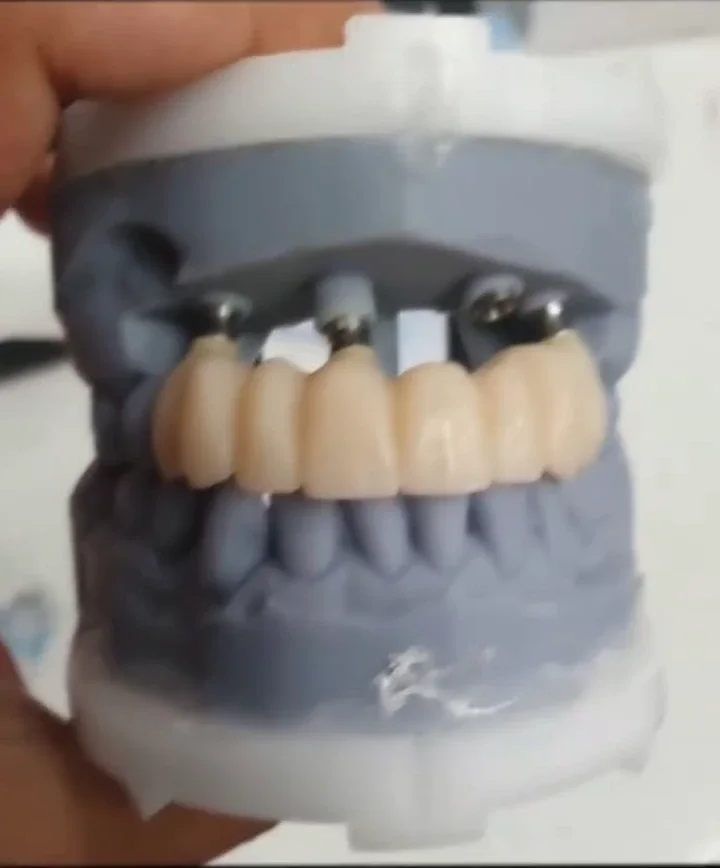
A crown can mask a dark tooth by balancing the underlying colour with the ceramic, its thickness and the cement. A dark root-treated incisor, metal post or strongly coloured core can influence the result even when the same ceramic shade is used. Planning those layers together is more useful than selecting the whitest shade alone.
The stump shade is the starting point
After the tooth has been prepared, the remaining tooth structure is sometimes called the stump. Its shade, translucency and distribution can differ greatly from a healthy untreated incisor. A root-treated tooth may darken for various reasons; a large core can also change the colour of the surface beneath the ceramic. The dentist should record that foundation accurately for the laboratory, particularly when only one prominent front tooth is being restored. A photograph with a stump shade reference can help, while quantitative shade devices may support visual assessment. No single measurement perfectly captures the whole appearance.
Translucency is attractive until it reveals the wrong colour
Translucent glass ceramics, such as lithium disilicate, can transmit light naturally over a suitable foundation. Over a dark tooth, the same translucency may allow grey or brown to show through. More opaque ceramic or a masking layer can reduce that influence, but excessive masking may look flat. The technician may vary opacity across the crown, masking centrally while retaining more light transmission at the edge. The balance depends on the tooth rather than one ceramic family being best in every case.
Why cement choice cannot solve every problem
Try-in pastes and resin cements come in different shades and can influence some thin restorations. They cannot reliably correct a major mismatch caused by the ceramic design or a very dark foundation. Tooth colour, material thickness, margins and cement work together. If the result is clearly unsuitable at try-in, a laboratory adjustment or different design may be needed before final bonding.
Prepare only what the material genuinely needs
Creating room for masking ceramic may require preparation, but excessive reduction can weaken the remaining tooth. Alternatives may include internal whitening of a suitable root-treated tooth, assessing the existing core or changing the ceramic strategy. Each needs clinical assessment. Preserving sound structure may mean accepting a limited colour compromise rather than removing more tissue for an uncertain visual gain.
Matching a single tooth is unusually demanding
A single central incisor is demanding because its natural neighbour provides a close comparison. Shape, texture, surface angles, gums and translucency all affect the match. Two surfaces that match in one light may differ in another, an effect called metamerism. Detailed records help communication with the laboratory, and an appropriate try-in lets you assess the proposed result beyond a shade code.
What to ask about your smile plan
Ask whether the dentist has recorded the underlying tooth shade, how the chosen material will handle it and whether a provisional or try-in is planned. If the tooth is intact but simply darker, also ask whether it needs a crown at all: whitening or more conservative treatment may sometimes suffice. A well-informed choice begins with diagnosis and optical planning, then selects the restoration—not the other way around.
Evidence and further reading
Checking the starting shade
A proposed crown shade is only part of the colour plan. The underlying tooth, material and trial stages help establish whether the intended appearance is realistic and whether a less extensive option is suitable.
Iconic Smiles practices are in Hatfield and Cheshunt in Hertfordshire, and Friern Barnet in North London. If travelling from Bedfordshire, Buckinghamshire or Essex, confirm the actual practice for each appointment.
Your next step, when you’re ready
We would be pleased to welcome you for a £30 consultation at your preferred Iconic Smiles practice. Bring your questions, and we can talk through the options that may suit you.
Any additional investigations and their fees will be explained before you decide.