
Bonding, veneers and whitening
When Should You Avoid Composite Bonding? A Tooth-Preservation Guide
Composite bonding can be an appealing way to alter the visible outline of a smile without immediately moving to porcelain.
Discover what could suit your smile
Whether you are thinking about colour, shape or a subtle change, a £30 consultation is a welcoming place to share your ideas, ask questions and explore a personalised approach.
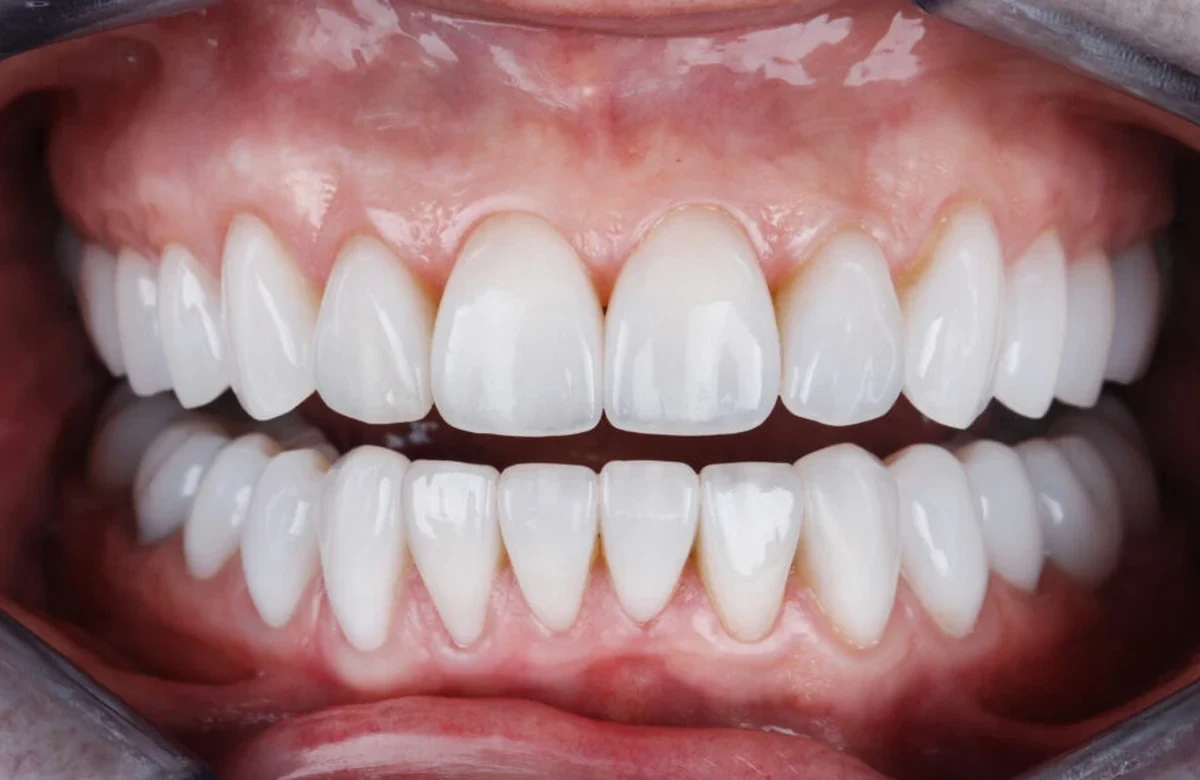
Bonding may be best avoided when it would add bulk, meet damaging bite contacts or cover a concern better addressed through whitening, movement or no treatment. It can restore an edge, add volume or mask a selected defect, but each addition needs a worthwhile purpose. Start with the feature you want changed and compare the smallest suitable options for healthy teeth.
What change would matter to you?
A person asking for 'perfect front teeth' may be concerned about only one slightly narrow lateral incisor, a small incisal asymmetry or a shade difference that varies with lighting. The dentist should identify the specific feature in photographs taken at rest, smiling naturally and speaking. If the perceived concern is caused mainly by tooth position, adding material may increase bulk instead of improving balance. Equally, a tooth can be naturally narrow yet attractive within the arch. A consultation that can reasonably recommend no bonding demonstrates that the treatment is being chosen for a purpose rather than as a default package.
Know when whitening should come first
If the main concern is colour, professionally supervised whitening may improve the appearance of natural enamel without adding a new surface to maintain. Whitening has clinical limitations and does not change the shade of existing crowns or composite fillings. When both whitening and bonding are considered, the sequence affects shade matching: composite selected before tooth colour stabilises may no longer blend once the surrounding enamel becomes lighter. Planning the final colour first avoids unnecessary restorative work on a tooth that might have met the patient's goal with whitening alone.
Understand the difference between contour and position
Composite can alter the visible shape but cannot move the roots or correct the relationship between the jaws. Bonding across a crowded or rotated front arch may widen the teeth or create awkward contours near contact points. Short teeth-straightening treatment may position teeth more favourably, reducing the amount of resin needed afterwards. That does not mean every bonding patient needs aligners. The dentist should show whether the desired visual change can be made within a natural tooth shape and explain when movement, addition or neither is needed.
Avoid adding material where it cannot be protected
A patient with an edge-to-edge bite or heavy contact on upper incisors may place substantial force on new composite extensions. The dentist should assess how the lower teeth meet the planned additions during closure and movement. If the proposed shape is repeatedly struck, there may be a case for adjusting the target design or correcting the bite before bonding. A night guard can be discussed for selected grinding patients, but it does not make all cosmetic additions suitable. The final plan should describe realistic limitations rather than promising durable edge extensions for every bite.
Existing gum inflammation changes the starting point
Bleeding, plaque and unstable gums need attention before elective reshaping, especially near the planned resin margins. Swollen tissues can make moisture control and finishing difficult and can change as inflammation settles. The restoration must also remain cleanable. Once gum health is stable, the dentist can reassess whether the proposed proportions and material are still appropriate.
Small natural differences can be worth keeping
Small differences in canine tips, edges or shade can contribute to an individual smile. A mock-up or wax-up helps compare a proposed change with the untreated teeth in normal conversation as well as photographs. You can choose a subtler outline or decline a stage where the benefit does not justify it.
Ask for a selective plan
A selective plan should show which teeth need resin and how much would be added to each. Compare polishing, whitening, orthodontics or observation where appropriate. Enamel, bite, gums, cleaning and repair all matter. Bonding is a useful option when its benefit is clear for the particular tooth.
References and further reading
Book an assessment
The practices are in Hatfield and Cheshunt in Hertfordshire, and Friern Barnet in North London. For travel from Bedfordshire, Buckinghamshire or Essex, confirm the actual practice and any sites involved in later stages.
Editorially updated: 27 October 2026.
Your next step, when you’re ready
We would be pleased to welcome you for a £30 consultation at your preferred Iconic Smiles practice. Bring your questions, and we can talk through the options that may suit you.
Any additional investigations and their fees will be explained before you decide.