
Bonding, veneers and whitening
Why Do Teeth Become Discoloured? Causes, Diagnosis and Treatment Options
Note whether one tooth or several have changed, whether the change was sudden or gradual and whether there is pain or a history of injury.
Discover what could suit your smile
Whether you are thinking about colour, shape or a subtle change, a £30 consultation is a welcoming place to share your ideas, ask questions and explore a personalised approach.
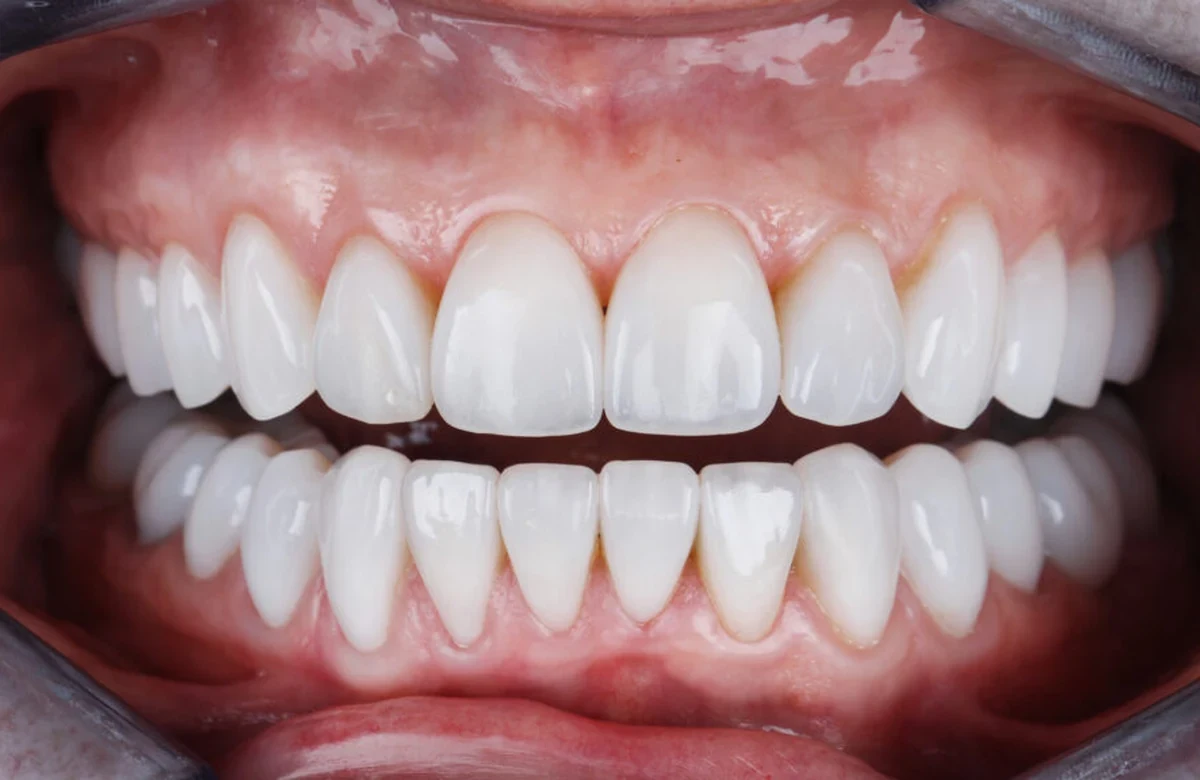
Describe the pattern before choosing a colour treatment
Teeth can darken through ageing, smoking or staining drinks, while a single changing tooth may have a different cause, such as an earlier injury. Tell the dentist when the change began, whether one or several teeth are affected and whether there is pain. The examination needs to establish tooth health before choosing whitening or another appearance treatment. [1][2]
General darkening and staining are not the same as a new injury-related change
NHS information identifies age, smoking and drinks such as tea, coffee and red wine as contributors to darker or stained teeth. Explain the timeline and exposures to the dentist. If the concern is a newly changing individual tooth, also report trauma and symptoms rather than assuming that it is simply the same surface stain as the neighbouring teeth. [1][2]
An injured or root-treated tooth needs its own diagnostic history
IADT guidance emphasises assessment and follow-up after permanent-tooth fractures or displacement. A later colour concern should be discussed in that context. If root-canal treatment has already been carried out, ask about the current tooth condition and colour options. A dark appearance does not, on its own, prove either that infection is present or that cosmetic coverage is the only answer. [2]
Existing restorations can change the apparent colour relationship
A crown, veneer or filling may no longer match a natural tooth if the surrounding shade changes. Whitening does not make these materials lighten in the same way. Before choosing a new restoration or bleaching the natural teeth, agree the intended colour relationship and which surfaces actually need treatment. A mismatch is not automatically a reason to replace every visible restoration. [1]
Assess white marks rather than calling every patch a stain
Fluorosis is a developmental enamel change, while other white areas may have a different cause. Treatment evidence for fluorosis concerns diagnosed lesions and cannot be applied to every newly visible white patch. Explain when the mark appeared and obtain an assessment before selecting a masking procedure. The separate fluorosis guide compares the studied minimally invasive alternatives. [3]
Choose the intervention after the cause and goal are clear
Ask whether the finding needs disease treatment, professional stain management, whitening, a limited restoration or observation. Confirm what each option is intended to change and which effects remain uncertain. A tooth with pain, swelling or a recent fracture should be assessed as a dental problem before an elective colour treatment is agreed. [4]
Research and guidance
Your next step, when you’re ready
We would be pleased to welcome you for a £30 consultation at your preferred Iconic Smiles practice. Bring your questions, and we can talk through the options that may suit you.
Any additional investigations and their fees will be explained before you decide.