
Bonding, veneers and whitening
Translucent Zirconia Crowns: Balancing Appearance and Strength
Zirconia crowns are often described as exceptionally strong, while the latest translucent versions are advertised as offering a more natural appearance.
Discover what could suit your smile
Whether you are thinking about colour, shape or a subtle change, a £30 consultation is a welcoming place to share your ideas, ask questions and explore a personalised approach.
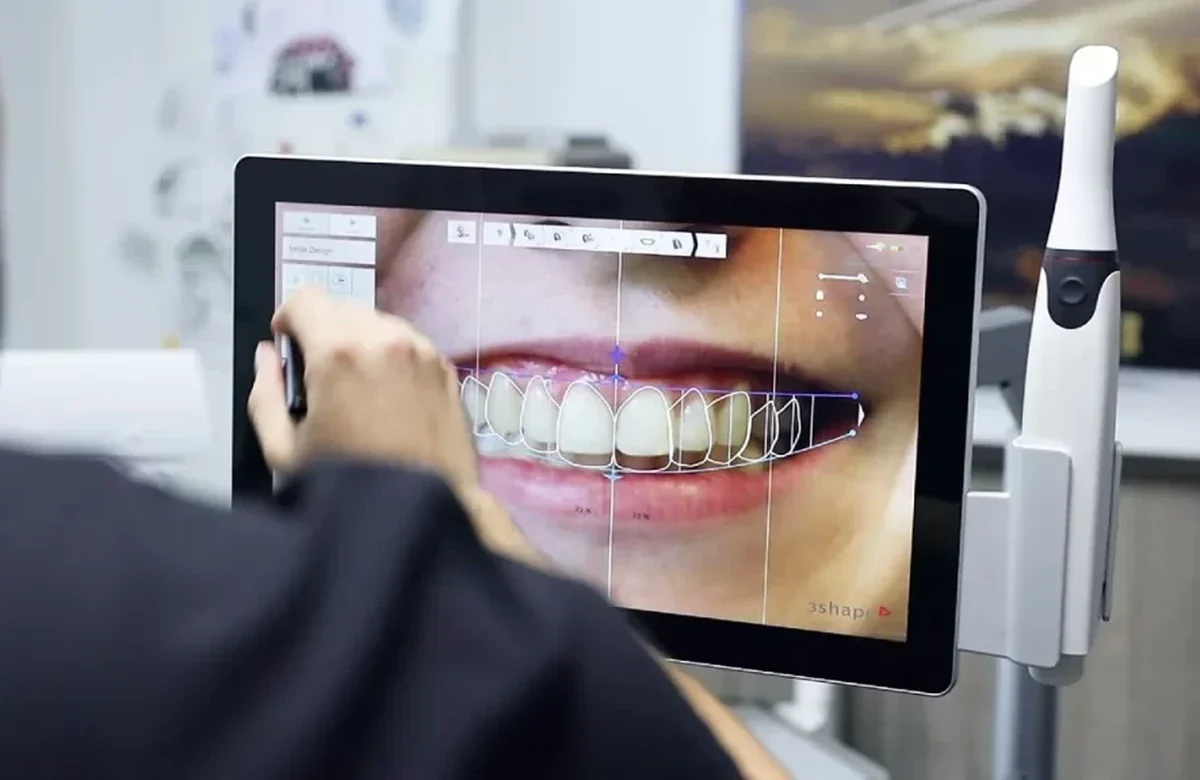
Translucent zirconia crowns may offer a useful balance of appearance and strength, but different zirconia formulations have different properties. The suitable choice depends on the tooth, underlying colour, available thickness and bite forces. A visible incisor, heavily loaded molar and bridge do not have identical requirements. The particular product needs to suit the whole restoration design.
Why making zirconia translucent is complicated
Natural enamel transmits and scatters light in complex ways. Zirconia's composition, internal structure, colour and processing influence how closely it can reproduce that appearance. Increasing translucency can also change mechanical properties, so it should not be assumed to retain the same strength as a less translucent version. Preparation, thickness and finishing need to follow the requirements of the specific product and use.
Evaluate the underlying tooth
A highly translucent ceramic may allow a dark preparation or metal post to influence the final shade. Greater opacity can improve masking but may look flatter beside a natural incisor. The amount of space available for the crown also matters. If the tooth is already prominent, adding ceramic thickness could make it bulky. A clinical shade record should describe the prepared tooth and its neighbours; where appropriate, a provisional restoration can help test lip support and contours before the definitive work is fabricated.
A front tooth and a molar are not interchangeable
In an upper incisor, the priority may be to blend with nearby enamel, achieve natural incisal translucency and preserve a cleanable margin. In a molar, occlusal clearance and chewing forces may carry greater weight. The clinician also needs to consider whether the crown is individually supported or is part of a bridge. Published findings about one material form or anatomical location do not automatically establish the same clinical performance elsewhere. The proposed ceramic should be assessed as part of the entire restoration design.
Bonding, cementation and surface finishing
Zirconia needs different surface treatment from glass ceramics. The cement or bonding method depends on the product, the tooth surface and how much retention the preparation provides. Any bite adjustment needs appropriate polishing to avoid leaving a rough surface against the opposite teeth. Strength alone cannot make a crown maintenance-free: gum health, contacts and daily cleaning still matter.
Questions to ask before agreeing
Ask which zirconia grade or system is proposed, why its translucency is suitable for the tooth, how the underlying colour will be managed and whether lithium disilicate or another option would better meet the aesthetic objective. Discuss thickness, bite risk, possible repair and maintenance rather than relying on a general material ranking. An individual comparison based on natural teeth, existing restorations and functional loading provides a more useful treatment decision than the word 'premium'.
A front-tooth example explains the trade-off
The same requested shade may need different ceramics over a pale tooth and a dark root-treated tooth. More translucency could let darkness show through, while excessive opacity could look dense beside natural enamel. The laboratory needs the prepared-tooth shade, available thickness and intended front-edge shape. A trial can help show a realistic compromise in ordinary lighting. Bite forces and the cementation plan also need consideration, especially with a short crown or heavy contacts.
What the published evidence adds
A review of zirconia bonding strategies discusses the importance of surface treatment and MDP-containing primers; its laboratory and clinical evidence should not be interpreted as a guarantee for any particular veneer. Read the source
Your next step, when you’re ready
We would be pleased to welcome you for a £30 consultation at your preferred Iconic Smiles practice. Bring your questions, and we can talk through the options that may suit you.
Any additional investigations and their fees will be explained before you decide.