
Dental implants — replacing missing teeth
Dental implant crown materials: zirconia, porcelain and metal ceramic
Compare materials for a single implant crown, including zirconia and porcelain, and discuss appearance, bite forces, connection design and repairs.
Explore your tooth replacement options
If you are considering replacing a tooth or several teeth, a £30 consultation gives you a chance to explain what matters most, ask questions and explore the options with our team.
£30 for a planned-treatment consultation. Scans, additional investigations and emergency assessments may have separate fees; please confirm when booking.
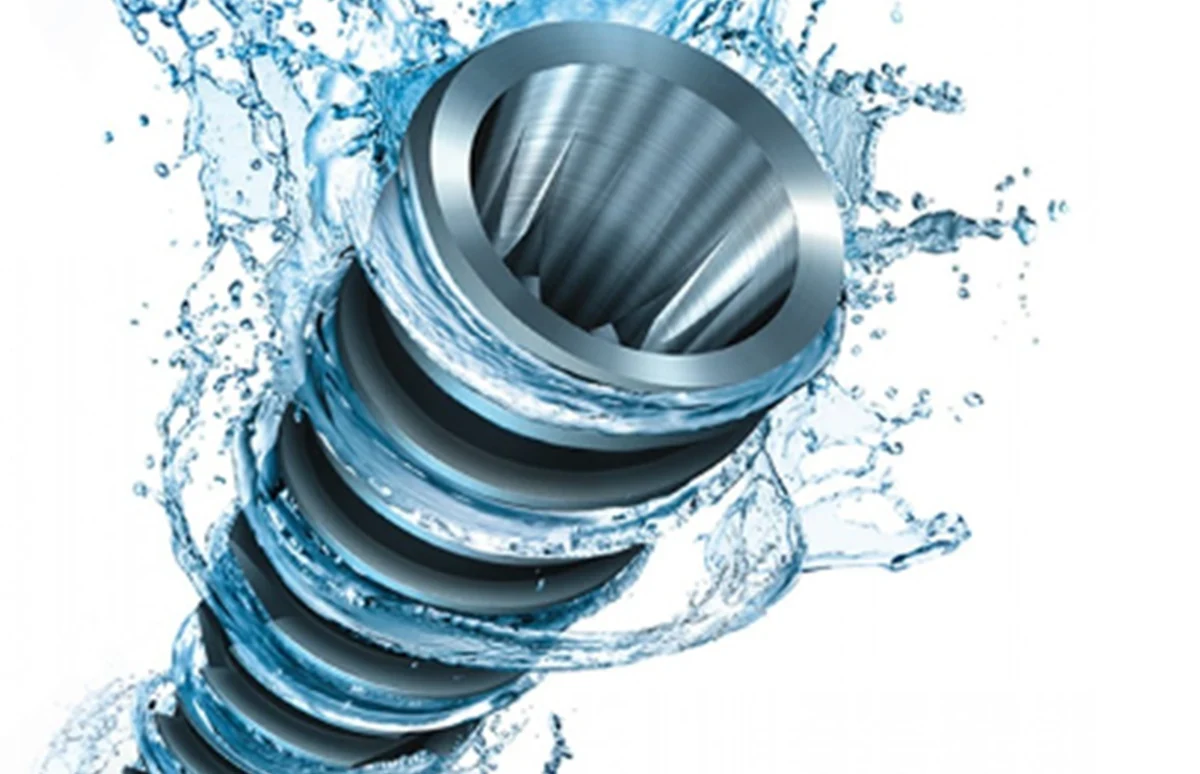
When someone says they are having a dental implant, it is easy to imagine that the visible tooth is simply part of the implant. It is not. The implant is the fixture placed in the jawbone. An abutment or connecting component sits above it, and the crown is the carefully shaped replacement tooth that everybody sees when you smile.
That distinction matters because two people can have implants of similar quality yet end up with crowns that look, feel and require maintenance quite differently. The material is only one part of the decision. The position of the missing tooth, your bite, how much gum shows when you smile, and the way the crown connects to the implant can be at least as important.
If you are replacing one tooth, this guide explains what you are choosing, where the different materials work best and which questions deserve a proper answer before your crown is made. It is deliberately about individual implant crowns, rather than the materials used for a complete fixed set of implant teeth.
What is the difference between the implant, abutment and crown?
Think of a three-part structure. The implant fixture is supported by bone. The abutment provides a connection and, depending on the design, helps support and position the replacement tooth. The crown supplies the visible shape, colour and biting surface.
Sometimes the abutment and crown are separate. Sometimes they are manufactured as an integrated restoration that is secured with a screw. The choice affects appearance, how accessible the components are for maintenance, and how readily the crown can be removed by a dentist if necessary.
A vital question is therefore not just, “What is the crown made from?” It is, “What is the whole restoration made from, and why has that design been recommended for this particular tooth?”
The crown is made to fit your implant system and the planned tooth position. It is not interchangeable with any crown from a dental laboratory. Your clinician should know the implant manufacturer and components used, and you should retain that information for future dental care.
Zirconia, porcelain and metal-ceramic: what are the real choices?
Monolithic zirconia is shaped from a single ceramic material, sometimes with surface colouring or characterisation. It is particularly attractive where strength is important, such as a back tooth with substantial chewing forces. There is no separate porcelain veneer covering most of the crown, so one potential source of porcelain chipping is reduced. That does not make it unbreakable; design, polishing and the bite still matter.
Layered zirconia uses a zirconia structure with more translucent porcelain layered over selected areas. It can give a technician greater freedom to reproduce the subtle colour and light effects of neighbouring front teeth. The compromise is that the outer porcelain can chip, even when the underlying crown remains sound.
Lithium disilicate is another glass-ceramic used in carefully selected implant crowns. Its optical properties can be useful in visible areas, but its suitability depends on thickness, loading, support and the precise restorative system. It would be misleading to call it universally more beautiful or less strong than zirconia: those judgements depend on the clinical situation and design.
Metal-ceramic crowns have a metal framework with tooth-coloured porcelain on top. They are not an outdated or automatically inferior option. They have a substantial clinical track record and may suit particular restorative circumstances. In a highly visible area, though, a metal-based restoration sometimes creates aesthetic challenges if the gum is thin or changes position over time.
The International Team for Implantology (ITI) concluded that zirconia-ceramic and metal-ceramic single implant crowns have broadly similar five-year survival in the evidence it reviewed, with different patterns of possible complications. In other words, this is not a competition in which the newest-looking material wins every time. [1]
For a front tooth, matching the neighbours is the difficult part
A front implant crown is rarely judged on its colour alone. It also needs to match the neighbouring tooth's width, length, curvature and apparent translucency. The edge of a natural incisor often has a different quality of light from the middle. A crown that is uniformly brilliant white can stand out even when the shade code is technically correct.
The surrounding gum is equally influential. Look at two central incisors in a mirror: the little scallop of gum above each tooth frames the smile. If the gum around an implant is positioned differently, even a beautifully made crown can look unlike its neighbour.
For this reason, a thoughtful assessment may include photographs, shade records, scans, a discussion about how much gum is visible when you smile, and possibly a temporary crown to help guide the final appearance. The ceramic cannot, on its own, correct an implant placed in an unfavourable position or replace missing gum tissue without a change of design.
A simple test before approval is to view the proposed crown in normal conversation distance and natural daylight, not just under the very bright dental light. Ask to see it from the side and when smiling broadly. If it is your front tooth, you are entitled to be particular.
For a molar, biting design may matter more than the shade
Your back teeth take repeated chewing forces. The crown should restore useful contacts with the tooth above or below, but it must not create an awkwardly high bite or collect food unnecessarily at the sides. A very hard ceramic is not automatically a better crown if its shape makes it difficult to clean or puts unwanted forces on other teeth.
Ask how the proposed restoration accommodates grinding or clenching, if that applies to you. A clinician may recommend reviewing your bite, adapting the crown shape or considering a protective appliance. The decision should not be made purely from a material brochure.
This is also why the words “stronger” and “longer-lasting” need context. A monolithic zirconia crown may have a favourable resistance to certain technical problems; that does not guarantee the underlying implant, screw, neighbouring gum or opposing tooth will be problem-free for life.
Does an all-ceramic crown look more natural?
Not necessarily. A natural appearance comes from several things working together: thoughtful planning, the laboratory's artistry, the ceramic chosen, the underlying abutment, the gum and the light around the tooth. An excellent metal-ceramic crown can be more convincing than a poorly designed all-ceramic one.
If you have very translucent teeth, a highly aesthetic ceramic and careful laboratory work may be especially important. If your teeth are more opaque, a different solution may blend in beautifully. Photographs and shade comparisons can help, but a digital image is not a guarantee of the finished result.
You should also discuss whether you plan to whiten your natural teeth. Crowns do not respond to whitening in the same way natural teeth do. If whitening is appropriate, it usually makes sense to agree the desired shade before committing to a final visible crown. Otherwise, you risk choosing a crown colour for teeth you later decide to lighten.
The small detail people rarely ask about: screw-retained or cement-retained?
A screw-retained crown is secured through a small access opening that is sealed with tooth-coloured material. When the design permits, a clinician can remove the crown to inspect or repair components. Depending on implant angulation, the access may emerge on a visible or functionally awkward surface; restorative techniques can sometimes address this.
A cement-retained crown is fitted onto an abutment with dental cement, rather like some crowns on natural teeth. It can offer design advantages in certain situations, but any excess cement around an implant needs meticulous management because it can contribute to inflammation.
Neither approach eliminates complications. ITI guidance does not recommend one retention method for every patient; the position of the implant, appearance, access, maintenance and clinical technique all influence the choice. [2]
This is a useful subject to raise before treatment, not an obscure technical question to leave until the crown is being fitted. If the crown ever needs attention, its construction can make a practical difference.
What does the research actually say about crown survival?
Clinical research is reassuring about many modern materials, but it should not be converted into a personal guarantee. In an ITI systematic review, different well-established ceramic designs had favourable short-term survival. Layered ceramic restorations showed a higher rate of veneer chipping than monolithic designs in the pooled results. Importantly, the authors also noted that the studies had different lengths of follow-up and that not all newer materials have equally mature long-term evidence. [3]
Another systematic review of randomised trials comparing ceramic with metal-ceramic implant crowns found no clear overall difference in failure, complications or patient satisfaction across the included studies. [4]
You may see advertisements quoting impressive percentages. Always ask whether the number describes the implant fixture, the crown, or the entire treatment. Those are different outcomes. Also ask for the follow-up period: a restoration performing well after three years tells you something useful, but it is not proof of what will happen after fifteen.
What should you see before the final crown is fitted?
A good fitting appointment is more than a quick check that the crown screws into place. Your clinician needs to assess several separate things.
Appearance: Does the crown fit the surrounding teeth in shade, width, edge shape and smile line? Are you happy with it in ordinary lighting?
Comfort: Does the tooth feel excessively prominent when your tongue moves over it? Can you close your teeth naturally without immediately striking that one point?
Cleaning access: Can you clean around the gum and between the crown and its neighbours with aids you can realistically use at home?
Contact points: Is food likely to wedge into a gap beside the crown? Are the neighbouring contacts appropriately shaped without trapping floss or making it impossible to pass through?
Maintenance: Do you know what type of crown has been provided, how it is retained and what follow-up has been arranged?
Some issues are easiest to refine at a trial stage. Others become apparent only after you have eaten and spoken with the crown for a while. Tell the practice if something feels persistently high, loose or difficult to clean; do not assume an awkward bite will simply settle.
Five questions that reveal the quality of the plan
- Why this material for my tooth? A meaningful answer mentions aesthetics, bite, gum and restoration design rather than simply saying it is “premium”.
- What would you choose differently if this were a front tooth or a molar? The explanation should show that the recommendation is individual.
- Is the crown one piece or layered, and what can go wrong with either design? Chipping and other technical problems should be discussed without alarmism.
- How will you secure the crown and retrieve it if needed? You should understand the proposed screw- or cement-retained arrangement.
- Who checks the appearance before final approval? Your feedback matters, particularly for a visible tooth.
You do not need to become an expert in ceramics. You need enough information to recognise that the decision has been thought through carefully.
Frequently asked questions
Is zirconia better than porcelain? “Porcelain” is often used loosely to describe several ceramics. Zirconia is itself a ceramic. The best design depends on the exact material, where the tooth sits, your bite and the desired appearance.
Will a zirconia crown be too white? It need not be. Shade, translucency, shaping and surface characterisation can be customised. Compare the planned result against neighbouring teeth before final fitting.
Can an implant crown stain? Ceramic surfaces are generally more colour-stable than natural teeth, but staining can affect some surfaces and the surrounding natural teeth may change shade. Good cleaning and appropriate professional review remain important.
Can I choose the crown myself? You should participate in the choice, particularly about appearance and cost, but your dentist should explain which materials and designs are clinically suitable for your implant and bite.
Should I choose the most expensive material? Not automatically. A well-planned restoration made from an appropriate established material may be better value than paying extra for a material with no meaningful advantage in your circumstances.
Your next step
If you are considering a single-tooth implant, start with the tooth you want to replace and how you hope it will look and function. At Iconic Smiles, you can arrange a £30 consultation to discuss your options, whether implant treatment is suitable and what further assessments might be needed. Ask for an itemised plan that explains the implant, abutment and crown—not just one total price. The consultation is an opportunity to explore your choices, not an obligation to proceed.
Clinical sources
- ITI, Survival and complication rates of zirconia-ceramic and metal-ceramic single implant-supported crowns: https://academy.iti.org/academy/consensus-database/consensus-statement/-/consensus/survival-and-complication-rates-of-zirconia-ceramic-and-metal-ceramic-single-implant-supported-crowns/1804
- ITI, Clinical performance of screw- versus cement-retained implant-supported fixed reconstructions: https://accounts.iti.org/academy/consensus-database/consensus-statement/-/consensus/clinical-performance-of-screw-versus-cement-retained-implant-supported-fixed-reconstructions/1306
- Pjetursson and colleagues, systematic review of veneered and monolithic all-ceramic implant crowns: https://pubmed.ncbi.nlm.nih.gov/34642991/
- Systematic review of randomised trials comparing ceramic and metal-ceramic implant crowns: https://pubmed.ncbi.nlm.nih.gov/32891403/
Your next step, when you’re ready
We would be pleased to welcome you for a £30 consultation at your preferred Iconic Smiles practice. Bring your questions, and we can talk through the options that may suit you.
£30 for a planned-treatment consultation. Scans, additional investigations and emergency assessments may have separate fees; please confirm when booking.