
Healthy teeth and gums
Looking after your gums when several teeth need repairing
Advanced gum disease can affect how teeth work as well as their support. European guidance explains how gum care and repairs may need to be planned together.
Ask us about your teeth and gums
You can talk to our team about your concerns and what you would like to improve. A £30 planned-treatment consultation is a simple way to start exploring your options.
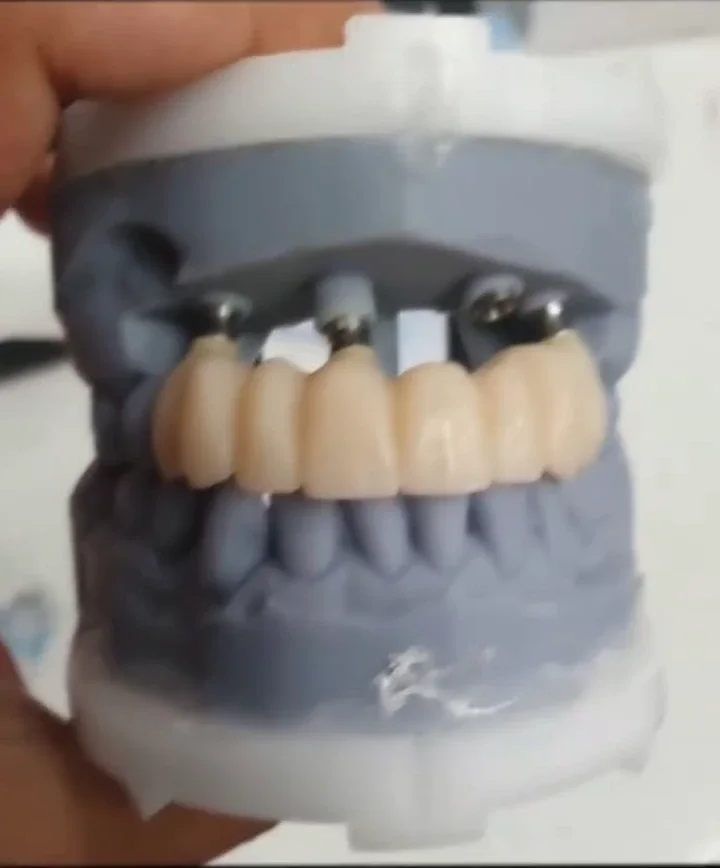
Link disease control to the intended rehabilitation
When several teeth need repairing, gum health needs to be part of the plan from the start. Advanced gum disease may affect both the support for your teeth and how well you can chew. European Federation of Periodontology (EFP) guidance on stage-IV disease explains how gum treatment and rebuilding the bite can be coordinated. Your examination will establish whether that guidance applies to you and which teeth can contribute to the final result. [1]
Include implants in the maintenance design
If your plan includes implants, keeping the surrounding tissues healthy starts with the design of the replacement teeth. EFP guidance recommends regular checks after implants and their restorations are fitted. The team should show you how you will clean the final teeth and explain the reviews you will need. [2]
Clarify the ongoing responsibilities
You should know who will check your natural teeth, gums, implants and replacement teeth, and how the clinicians will share their findings. Before treatment begins, the plan should explain routine reviews, who to contact about a new symptom or damaged part and which maintenance costs to expect.
Before deciding:
The proposed teeth need to be practical to look after. Their shape should let you clean the supporting tissues at home and allow the team to examine them at reviews. [2]
How maintenance fits around crowns, bridges and implants
Maintenance is not simply a hygiene appointment added after treatment. In someone with a history of gum disease, the team should consider tooth mobility, gum pockets, the ability to clean around the planned restoration and the likelihood of needing future repairs. These factors can affect which restoration is sensible before the treatment begins.
Ask the dentist or hygienist to demonstrate how you will clean beneath a bridge, around implant-supported teeth or between tightly spaced restorations. A design that looks appealing in a photograph may still be difficult to maintain at home. If a cleaning aid cannot reach a critical surface, it is better to discover that while the shape of the restoration can still be changed.
How often you need reviews depends on your findings and risks; there is no single six-month rule for everyone. A written maintenance plan should identify who checks the gums, who checks the replacement teeth and their components, and which symptoms mean you should be seen sooner.
Guidance: periodontalcare.sdcep.org.uk
Research and guidance
Your next step, when you’re ready
We would be pleased to welcome you for a £30 consultation at your preferred Iconic Smiles practice. Bring your questions, and we can talk through the options that may suit you.
Any additional investigations and their fees will be explained before you decide.