
Healthy teeth and gums
Preventing Tooth Decay in Adults: Fluoride, Diet and Dental Care
Tooth decay develops when acids produced by plaque bacteria during sugar metabolism repeatedly dissolve tooth mineral.
Ask us about your teeth and gums
You can talk to our team about your concerns and what you would like to improve. A £30 planned-treatment consultation is a simple way to start exploring your options.
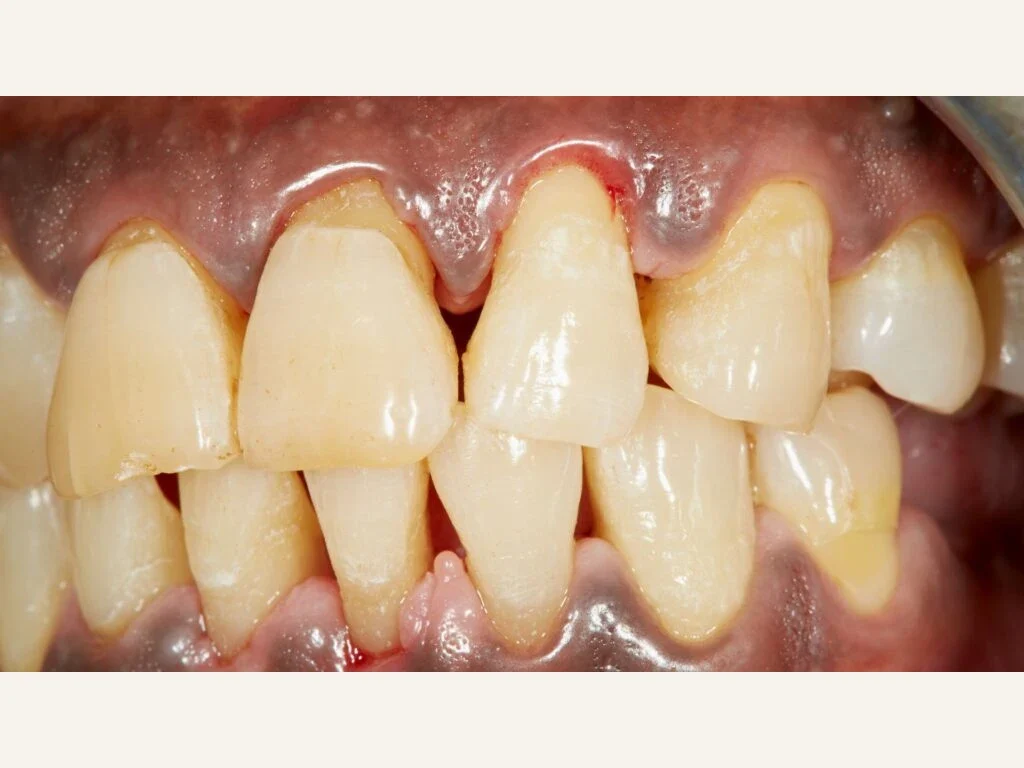
Preventing decay involves fluoride toothpaste, effective cleaning, fewer repeated sugar exposures and dental care matched to your risk. Plaque bacteria turn sugars into acid, which can repeatedly dissolve tooth mineral. The aim is to prevent new damage and manage early changes conservatively where appropriate.
Understand how a cavity starts
Early demineralisation can develop before a visible hole forms. Saliva and fluoride support remineralisation when conditions permit, but deeper cavitated lesions may need operative treatment. Risk is influenced by previous decay, diet, plaque retention, dry mouth, exposed roots and restoration margins. A patient with no pain can still have active disease.
Fluoride is a practical foundation
UK prevention guidance supports twice-daily brushing with suitable fluoride toothpaste, especially last thing at night, and spitting out excess rather than rinsing immediately. Individual patients at higher risk may be advised on additional fluoride measures. Concentration and product selection should be based on age and clinical need, not indiscriminate self-prescribing.
The frequency of sugar matters
Repeated sugar exposures allow plaque to stay acidic and create more episodes of mineral loss. Sweet drinks sipped for hours, frequent snacks and bedtime sugar can therefore matter as much as the amount eaten on one occasion. Useful advice should fit your routine, medical needs and nutrition.
Clean the places a toothbrush misses
Brushing and suitable interdental cleaning help disrupt plaque around contacts and restorations. Fixed orthodontic appliances, bridges and crowded areas can demand tailored methods. More force or highly abrasive products are not a substitute for access and technique. A professional demonstration can identify where plaque persists.
Modern prevention is risk-based
Some early lesions can be monitored and managed non-operatively where appropriate, while cavitated or progressing disease may need restoration. Bitewing radiographs can help detect interproximal lesions when justified. Regular review establishes whether preventive measures are working and when the treatment plan needs to change.
Ask for specific feedback
Ask for feedback on the changes that would help your own diet or cleaning, and how improvement will be measured. Preventing future decay is a different task from repairing a tooth that has already lost substantial structure, and your plan may need both.
Fluoride protects enamel, but habits determine much of the repeated exposure
Plaque bacteria produce acid when fermentable carbohydrates are repeatedly available. Frequent sugary snacks and drinks may therefore be more damaging than a similar amount consumed less often with meals. Adults are generally advised to brush twice daily with fluoride toothpaste containing 1,350–1,500 ppm fluoride, including the last brush before bed, then spit out the paste without routinely rinsing. Stronger prescription preparations may be appropriate for selected high-risk patients, but should not be used simply because a product advertises more fluoride.
The examination should consider new lesions, previous fillings, exposed roots, dry mouth, diet and cleaning around restorations. An early non-cavitated lesion may be managed differently from a cavitated area that cannot be kept clean. A clinician can explain whether fluoride varnish, a higher-fluoride prescription, fissure protection or restoration is indicated, alongside changes that reduce disease activity.
A durable prevention plan reviews whether the intervention worked. Treating every early mark as a filling risks unnecessary loss of tooth structure; waiting while an active lesion progresses can also be harmful. The choice depends on clinical findings and the patient's overall risk.
Identify sites where daily prevention is failing
New cavities around an old filling, between tightly contacting teeth or on exposed roots may need different preventive strategies. A patient with dry mouth may lose some of saliva's protective buffering and clearance. The clinician can review medicines, eating frequency, fluoride exposure and the surfaces where plaque accumulates before deciding whether prescription-strength fluoride or another preventive measure is indicated.
An early enamel lesion may be managed without drilling if it is non-cavitated and the causes can be controlled; a deeper cavity that cannot be cleaned may need restoration. Photographs or bitewing radiographs, when clinically justified, can help monitor a change over time. Patients should ask how success will be assessed rather than treating prevention as a one-off professional application.
Sources and professional guidance
- NHS — looking after teeth and gums
- UK Government — Delivering Better Oral Health evidence-based toolkit
Applying the information:
Treatment options · Our practices · Fees and finance
Can Early White Enamel Spots Recover Without Drilling?
Non-cavitated enamel changes may be stabilised or remineralised if disease activity is controlled.
Assessing saliva, enamel and preventive needs
The assessment considers decay and gum risk, saliva, enamel changes, sugar frequency, fluoride use, cleaning and medicines or health conditions affecting the mouth. An examination and justified imaging give different information, with the choice guided by what needs to be established.
An intact early lesion may be managed with prevention, appropriate fluoride, diet changes and monitoring if it can be stabilised. A progressed lesion that cannot reliably be arrested may need restoration. The dentist also distinguishes developmental white areas from early decay before considering whether resin infiltration or another appearance treatment is suitable.
An early white area without a cavity may respond to improved plaque control and suitable fluoride. An area that developed with less mineral as the tooth formed is different. Surface integrity and activity need assessment before deciding what change is possible. Resin infiltration may improve appearance in selected stable cases, but cannot replace decay prevention.
Colour alone cannot diagnose decay or prove that a product will help. Overbrushing can damage surfaces, and dry mouth or continuing frequent sugar intake can undermine a single intervention. The plan needs to address the causes and check the response.
Further reading (background sources)
- NHS: dental treatment information — background reading
- — background reading
Your next step
Areas we serve: Hertfordshire · Bedfordshire · Buckinghamshire · Essex. Our actual clinics are in Hatfield, Cheshunt and Friern Barnet; Bedfordshire, Buckinghamshire and Essex are patient catchment areas, not additional clinic sites.
Further questions to consider before treatment
- Choose preventive measures supported by evidence and your assessment, rather than relying on home-remedy claims.
- Toothpaste and fluoride advice should reflect your individual decay risk.
Your next step, when you’re ready
We would be pleased to welcome you for a £30 consultation at your preferred Iconic Smiles practice. Bring your questions, and we can talk through the options that may suit you.
Any additional investigations and their fees will be explained before you decide.