
Repairing your teeth
E.max or zirconia crowns: which material might suit your tooth?
Your new crown should look right, feel comfortable and function well. Learn why choosing between ceramic materials starts with your own tooth.
Talk through your options for repairing teeth
If you would like to understand how a tooth might be repaired or protected, a £30 consultation offers time to discuss your concerns and what an individual assessment may involve.
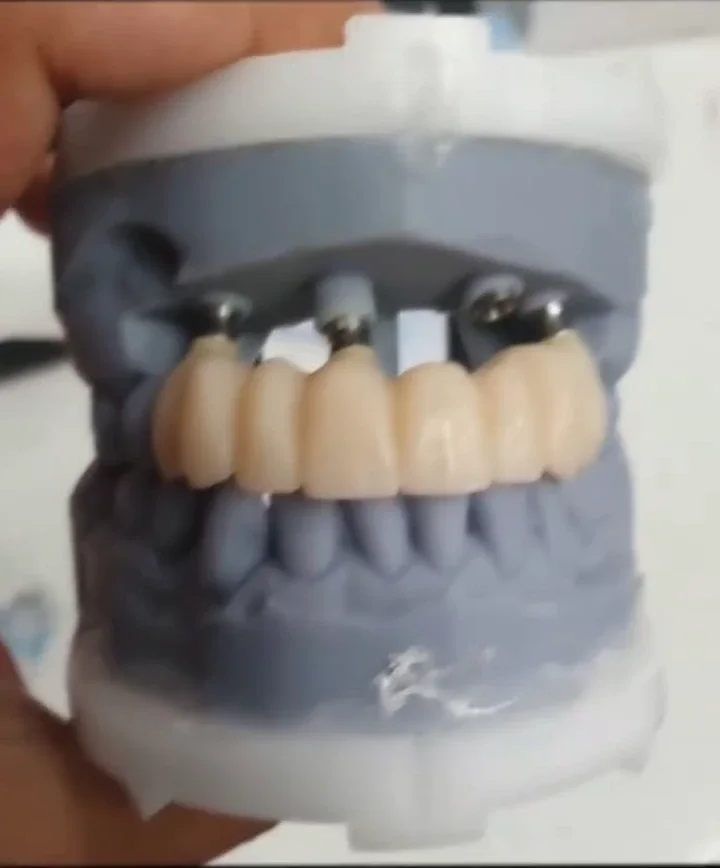
Both E.max, a lithium-disilicate ceramic, and zirconia can be suitable for a new crown. The choice depends on the tooth, bite, appearance you want and the design needed to protect the remaining structure.
The treatment category comes before the ceramic name
Zirconia and lithium disilicate are ceramic categories used in dental restorations, but choosing between them is not the first clinical decision. The tooth may need a veneer, a single crown, a partial-coverage restoration or another approach. Those designs have different purposes and evidence. Ask which restoration is proposed and what it addresses. A material label cannot establish that full coverage is necessary, that a tooth is beyond conservative care or that several healthy teeth need treatment. The recommendation should begin with diagnosis and the appropriate amount of intervention before the ceramic choice is justified. [1][2]
Understand the design as well as the material
A crown may be made from one main ceramic, called monolithic, or from a supporting structure with a different ceramic layered over it. This affects appearance and possible complications. A 2026 review found useful survival results for lithium-disilicate and zirconia single crowns, with fewer ceramic fractures or chips in monolithic designs than layered alternatives. Those group findings help inform the choice, but your tooth and proposed design still need individual assessment. [1]
Do not transfer single-crown findings to every bridge
A single crown restores one tooth, while a multi-unit bridge is a different structure. A separate 2026 review assessed tooth-supported multi-unit prostheses and reported results that differed by material and design. The existence of strong single-crown evidence should therefore not be used as a universal guarantee for a bridge. Ask whether the evidence cited matches the proposed restoration and support. A technical explanation is useful when it clarifies the actual choice; it becomes misleading if a favourable percentage from another category is presented as your own treatment forecast or proof that one ceramic is always superior. [3]
Keep veneer evidence in its own category
Ceramic veneers also have their own evidence and indications. A 2025 review evaluated several veneer materials and reported different available follow-up, with limited longer-term zirconia data. That should not be confused with crown evidence or a claim that every material has identical evidence for every use. Ask what the proposed veneer is intended to change, what preparation it involves and which alternatives are reasonable. A visible colour or shape concern does not itself establish the need for a particular ceramic. The choice should reflect the assessed tooth and realistic objective rather than a universal cosmetic-material ranking. [2][4]
Discuss the tooth and maintenance, not only the finished surface
The underlying tooth, existing restorations, symptoms and available structure remain part of the assessment. Ceramic survival is not the same as freedom from every biological or technical complication. Ask what is being monitored, how a changed bite or damaged part would be assessed and whether another clinical question affects prognosis. If partial coverage or a conservative addition is relevant, understand why it is or is not suitable before accepting a full crown. Evidence on inlays, onlays and overlays addresses those distinct restorations; it should inform a proportionate discussion rather than be treated as proof of one solution for all teeth. [5]
Request a rationale you can explain
At Iconic Smiles, ask for the restoration type, intended ceramic construction, important risks, alternatives and itemised fees. The reason should connect the material to your diagnosis, design and priorities. A good explanation leaves you understanding what treatment is necessary and why that material is reasonable, without a promise of lifetime durability or perfect matching. It should not rely on a laboratory strength claim alone, a survival statistic borrowed from another restoration or an unsupported assertion that one ceramic is the best choice for every patient and every tooth. [6][7]
The main consideration:
First establish the repair your tooth needs; then choose a material suited to that design. Research about veneers, single crowns and bridges answers different questions.
Distinguish a retained restoration from an uncomplicated one
A restoration can remain present while needing an adjustment, repair or treatment of a supporting tooth. Survival and absence of complications are different outcomes in ceramic research. Ask what a quoted figure measures and how long the relevant patients were followed. A group result is not a personal lifetime forecast or proof that no future fees will arise. The clinician should explain what concerns could develop and how they would be assessed. This is more useful than a percentage detached from the design, support and time period of the restoration being offered. [source][source]
Choose the appropriate amount of coverage
A veneer, partial restoration and full crown involve different designs and amounts of intervention. Evidence on inlays, onlays and overlays addresses those defined restorations, while veneer and single-crown reviews concern other categories. Ask why the proposed extent of treatment is proportionate and what alternatives would change. Preserving suitable structure should be part of the comparison, but a smaller restoration is not automatically adequate for every diagnosis. The clinician should explain both the intended benefit and limitation before preparation, especially where an elective appearance goal is being combined with treatment of an already damaged tooth. [source][source]
Question the extent of treatment before the material
A discussion of zirconia versus lithium disilicate can distract from an earlier decision: what restoration, if any, the tooth needs. Ask whether the concern is disease, damage, an old restoration or elective appearance and what the assessment establishes. Consent should explain the proposed benefit and alternatives. A ceramic name is not a diagnosis or proof that full coverage is necessary. The appropriate amount of intervention should be justified for the tooth before colour, strength or a package price becomes the main comparison. Preserving suitable structure and addressing the actual problem belong in the same discussion.
Know the restoration and the supporting tooth
After a ceramic restoration, ask what was fitted and which tooth or teeth support it. A veneer, single crown and multi-unit bridge are different arrangements, with separate evidence and possible complications. The material name does not describe the whole system. The natural tooth, surrounding tissues and restoration still need appropriate assessment when something changes. A useful handover identifies the relevant records and responsible clinician without requiring you to diagnose an internal component. Ceramic research reports survival and complications separately, so a finished appearance should not be treated as proof that no future biological or technical care is possible. [source][source][source]
Ask for the completed clinical workflow
A useful quote clarifies whether a digital scan, laboratory crown, temporary restoration, fit appointment and review are included. Request an explanation of what happens if the appearance or fit needs changing before final cementation. The dentist should also discuss remaining tooth strength, any core build-up and maintenance. An excellent crown is a chain of decisions: diagnosis, preparation, accurate records, appropriate material, manufacturing, fitting and care. Comparing that complete chain is more informative than comparing the words 'pressed' and 'milled'.
Compare additions and partial coverage as defined options
Composite additions and partial restorations address different situations, and suitability depends on the assessed tooth and objective. Research on selected localised anterior wear supports a role for composite while identifying maintenance needs. A separate review evaluates inlays, onlays and overlays. Neither proves that a particular conservative design suits every damaged tooth. Ask what structure each proposal retains or changes and what limitation you would accept. The comparison should make the extent of treatment visible, with realistic benefits and risks, rather than label one option minimally invasive and stop explaining what it actually involves. Read the supporting clinical study (2) · Read the supporting clinical study (3)
Make the complete risk discussion understandable
At Iconic Smiles, request the proposed restoration, material construction, expected benefit, important risks, alternatives and itemised costs. Tell the team about symptoms, existing restorations and appliances. If wear contributes to the need for treatment, discuss prevention rather than assume ceramic controls the cause. The government toolkit describes wear as involving multiple factors. A balanced plan recognises worthwhile restorative benefits and their limits. It should not use laboratory terminology to guarantee biological health, permanent appearance or freedom from every repair, and it should leave you knowing the practical review and contact arrangements. Supporting source (www.gov.uk)Meet the Iconic Smiles dental team · See our current treatment fees
Establish why the tooth needs treatment
The first decision is the tooth’s diagnosis and what the proposed restoration is intended to achieve. A shape concern, damaged restoration and structurally compromised tooth need different explanations. GDC guidance requires benefits, material risks and realistic alternatives to be discussed before consent. Ask what is known, whether another assessment is needed and which choices remain open. The pathway should not begin with selecting zirconia or lithium disilicate as though the material itself establishes a need for a full crown. A treatment recommendation needs to connect the intervention to the actual finding and patient objective.
Follow care instructions for the actual design
Ask how to clean the relevant teeth and spaces and describe any difficulty with access, discomfort or handling an aid. Where wear contributed to the original problem, the preventive plan still matters after restoration. Government guidance describes chemical and mechanical factors and supports monitoring progression. Changing the visible form does not automatically remove those influences. Use the instructions relevant to your clinical findings rather than a generic product claim. If another clinician provides ongoing care, make sure the restoration history and relevant plan are available so the review can respond to the actual tooth and design. Supporting source (www.gov.uk)
Compare the right design and indication
Single crowns, tooth-supported bridges and veneers are not interchangeable research categories. Separate systematic reviews assess them, and the results should remain within those settings. A material used successfully in a single crown cannot automatically inherit the same expectation in every bridge or thin veneer. Ask which evidence resembles your proposal and what case-specific judgement remains necessary. If the explanation changes categories while quoting a favourable result, request clarification. A defensible comparison identifies the restoration and construction first rather than promise that selecting zirconia or lithium disilicate makes every type of dental work equally predictable. Read the supporting clinical study (2) · Read the supporting clinical study (3) · Read the supporting clinical study (4)
Consider monitoring where the findings support it
Some decisions may reasonably involve review rather than immediate restorative change. Ask what will be monitored, what would prompt action and whether a separate health concern still requires treatment. In tooth wear, government guidance supports assessing progression and contributing factors rather than relying on symptoms or a single appearance alone. Monitoring should be purposeful, not an unexplained delay. Conversely, an appearance variation should not automatically be treated as a health problem requiring a crown. The patient should understand the consequences of accepting or deferring a particular elective change and how reassessment would be arranged. Supporting source (www.gov.uk)
Marginal fit and contact quality are not brochure features
A crown must seat predictably on the prepared tooth and form appropriate contacts with neighbouring teeth. A contact that is too light can encourage food trapping; excessive tightness can interfere with seating. The margin must be examined for adaptation, and the shape near the gum should permit effective cleaning. Some adjustment is normal at the try-in appointment, but the dental team should not rely on extensive chairside grinding to rescue an unsuitable design. When adjustments are required, correct surface polishing is important for the opposing teeth and long-term finish.
Compare the whole future commitment
Ask about the likely stages, important risks, review and maintenance for each suitable plan. At Iconic Smiles, request the responsible clinician and itemised fees, including any anticipated appliance work after a change in tooth form. A lower initial fee and a more expensive material do not by themselves identify the better intervention. The strongest choice is proportionate to the diagnosis, supported by an explanation you understand and compatible with the care you can manage. It should avoid promising that either a conservative option or a full crown provides permanent freedom from repair, further treatment or ordinary dental assessment. Meet the Iconic Smiles dental team · See our current treatment feesSupporting source (bos.org.uk)
Strength is only one question in the treatment decision
A ceramic’s ability to resist a particular form of damage does not explain every outcome of a dental restoration. The natural tooth, restoration design and clinical situation still matter. A 2026 single-crown review assessed biological and technical complications as well as survival. Ask which problem the proposed material is intended to address and why the restoration itself is indicated. A patient should not be encouraged to accept more tooth preparation simply because a material is described as strong. The amount of treatment needs its own rationale and comparison with realistic alternatives before a product label is used to reassure. Read the supporting clinical study
What the published evidence adds
A review of zirconia bonding strategies discusses the importance of surface treatment and MDP-containing primers; its laboratory and clinical evidence should not be interpreted as a guarantee for any particular veneer. Read the source
Research and guidance
- A Systematic Review and Meta-analysis Evaluating the Survival, Failure, and Complication Rates of Metal-Ceramic, Veneered, and Monolithic All-Ceramic Tooth-Supported Single Crowns-Part 1.
- Survival and Complication Rates of Feldspathic, Leucite-Reinforced, Lithium Disilicate and Zirconia Ceramic Laminate Veneers: A Systematic Review and Meta-Analysis.
- A Systematic Review and Meta-analysis Evaluating the Survival, Failure, and Complication Rates of Metal-Ceramic, Veneered, and Monolithic All-Ceramic Tooth-Supported Multiple-Unit Fixed Dental Prostheses (FDPs)-Part 2.
- Veneers - Oral Health Foundation
- Survival Rate of Resin and Ceramic Inlays, Onlays, and Overlays: A Systematic Review and Meta-analysis.
- Dental Team | Meet the Iconic Smiles Clinicians
- Dental Fees & Finance: Treatment Prices | Iconic Smiles
Your next step, when you’re ready
We would be pleased to welcome you for a £30 consultation at your preferred Iconic Smiles practice. Bring your questions, and we can talk through the options that may suit you.
Any additional investigations and their fees will be explained before you decide.