
Dental implants — replacing missing teeth
Dentures with a Strong Gag Reflex: Designing for Comfort
A strong gag reflex can make the idea of a removable denture intimidating, especially for someone who has never worn one.
Explore your tooth replacement options
If you are considering replacing a tooth or several teeth, a £30 consultation gives you a chance to explain what matters most, ask questions and explore the options with our team.
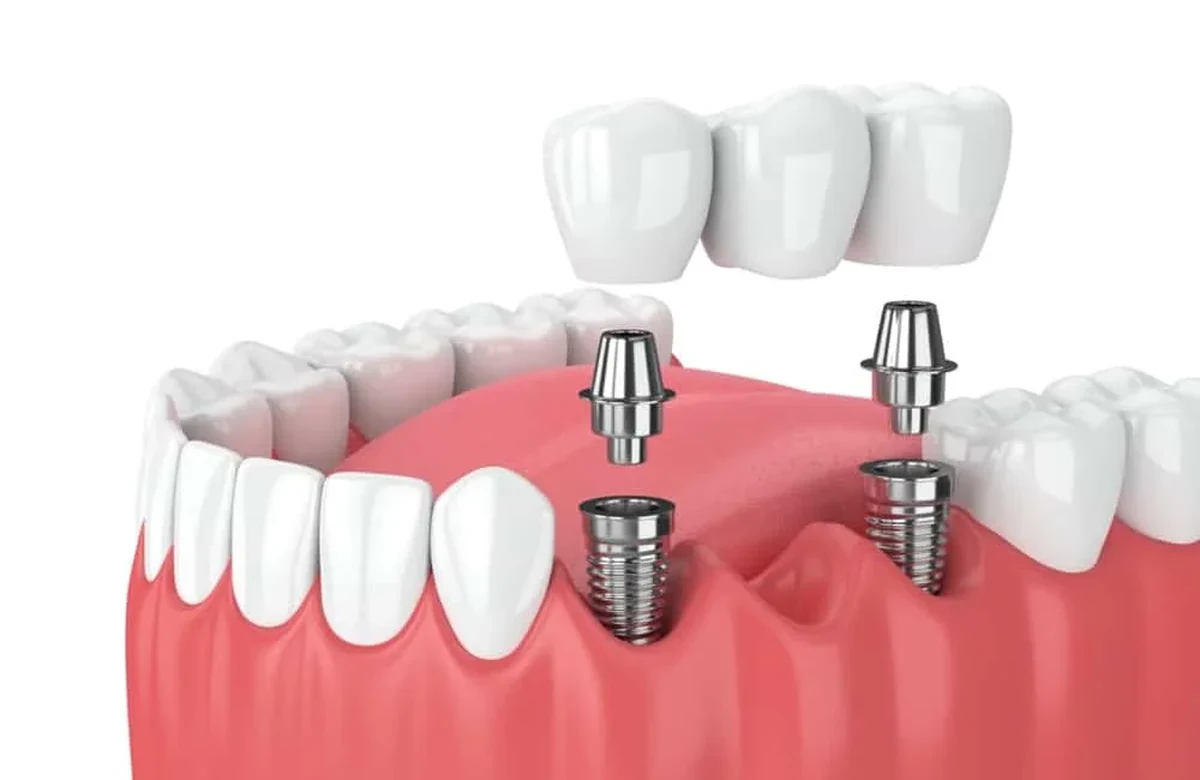
Dentures may still be possible with a strong gag reflex, with the design and appointment approach tailored to what triggers it. Palatal coverage, tongue space, saliva, anxiety and denture movement can all matter. An assessment helps identify changes that may improve comfort and when broader support is needed. Implants cannot be assumed to eliminate the reflex.
Identify what actually triggers the reflex
Some patients feel uncomfortable when a tray touches the back of the palate, while others react when a denture feels bulky under the tongue or when saliva collects. A clinician can ask whether gagging occurs while brushing, receiving impressions, eating or merely anticipating treatment. The location and timing of the response guide the design discussion. It is also relevant whether nasal breathing is comfortable, whether reflux or medications contribute and whether anxiety increases the reaction. The examination should be gentle and paced with consent, rather than treating distress as something a patient must simply endure.
Why denture extension cannot be shortened indiscriminately
A complete upper denture often depends on an appropriately extended border and palatal seal for retention. Cutting away the posterior region may reduce contact with a sensitive area but also destroy suction and make the denture unstable. A lower denture faces different challenges because the tongue and muscles occupy much of its surrounding space. The dentist therefore balances coverage, border shape and stability rather than removing material until nothing touches the mouth. A denture with poor retention may itself provoke gagging if it repeatedly moves backwards or changes the tongue's resting position.
Impression and scan choices may help
Digital scanning may avoid some bulky impression trays in suitable cases, although the scanner still takes up mouth space and some denture stages need conventional methods. Positioning, short breaks and a hand signal can help. The choice must still capture the anatomy accurately enough to make and check the denture properly.
Consider partial coverage and alternative frameworks
Patients retaining some natural teeth may have options for a smaller partial denture with a metal framework or carefully designed connectors. The remaining teeth and their periodontal support determine what can be supported safely. A complete upper denture has fewer opportunities to avoid palatal coverage without sacrificing retention. In selected patients, implant-retained or implant-supported designs can change how the appliance is held, although not every person is suitable for surgery and some designs still include palatal material. The dentist should describe the actual planned prosthesis rather than assuming that the presence of implants makes all removable components disappear.
Help the patient adapt without dismissing symptoms
Some people become accustomed to a new denture over a period of gradual use and review; others continue to struggle and need changes. The clinician may check tongue space, bite height, fit and edge extension if gagging persists. An appliance that triggers vomiting or prevents eating should not be described as a normal inconvenience the patient must tolerate indefinitely. Written advice should cover cleaning, insertion and when to request adjustments. Where broader medical or psychological factors appear relevant, coordinated support may be more helpful than repeatedly remaking an otherwise correctly shaped denture.
A realistic treatment conversation
Describe the movements and situations that trigger gagging, then compare the proposed designs and any trial stage. Understand which changes can be adjusted and the role of a conventional denture, smaller framework or selected implant retention. The estimate should include fitting, reviews and any transition to a final appliance. The useful result is a replacement you can wear, eat with and clean.
References and further reading
Book an assessment
The practices are in Hatfield and Cheshunt in Hertfordshire, and Friern Barnet in North London. For travel from Bedfordshire, Buckinghamshire or Essex, confirm the actual practice and any sites involved in later stages.
Pandya (GDC 114822).Content updated: 26 October 2026.
Your next step, when you’re ready
We would be pleased to welcome you for a £30 consultation at your preferred Iconic Smiles practice. Bring your questions, and we can talk through the options that may suit you.
Any additional investigations and their fees will be explained before you decide.