
Dental implants — replacing missing teeth
Do Dental Implants Hurt? Surgery, Anaesthetic and Recovery Explained
Local anaesthetic is normally used during implant surgery. Pressure or vibration may be felt, while soreness and swelling afterwards vary with surgical complexity.
Explore your tooth replacement options
If you are considering replacing a tooth or several teeth, a £30 consultation gives you a chance to explain what matters most, ask questions and explore the options with our team.
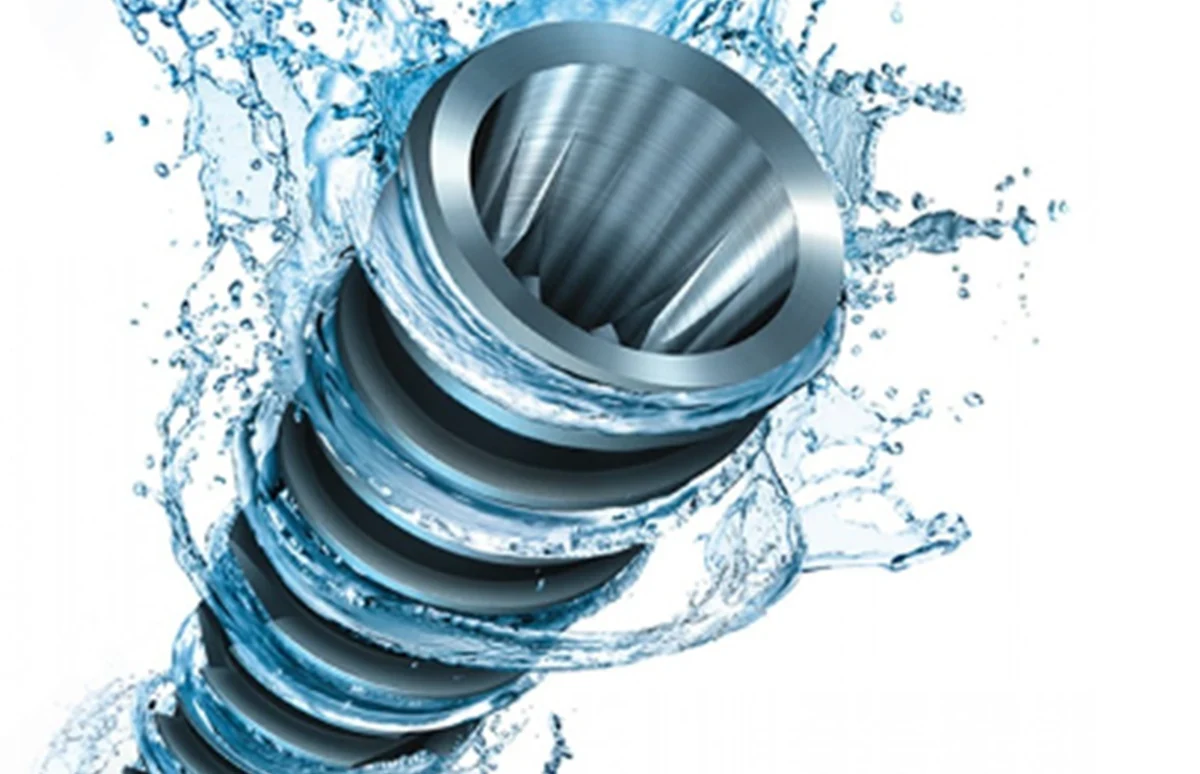
Implant surgery is normally carried out with local anaesthetic, so you may feel pressure or vibration rather than sharp pain during placement. Soreness and swelling afterwards vary with the operation and your health. Before treatment, the team should explain pain control, recovery and which changes need prompt advice.
During placement: sensation is not the same as pain
Most straightforward implant placements are undertaken with effective local anaesthesia. The clinician tests the area before proceeding; you may still notice pressure, vibration, water, sounds or the sensation of instruments touching nearby tissue. These sensations can feel strange without indicating pain. If something sharp is felt, the correct response is to alert the team and allow them to reassess anaesthesia. Nobody should be expected to endure significant pain silently. Complexity matters: an immediate implant combined with an extraction, or an implant requiring grafting, is different from placing a single implant in a healed ridge.
What the first days can feel like
Tenderness, limited jaw opening, minor bleeding and facial swelling can occur after surgery. They often build during the early postoperative period and then settle rather than disappear the moment you leave the chair. The recovery pattern is affected by the extent of the operation, medical conditions, smoking, the location of the implant and how your mouth responds. The practice should provide written, procedure-specific instructions about cleaning, eating, activity and any prescribed medicines. Follow those instructions instead of comparing your recovery with someone else’s short video online.
Pain that needs another look
Severe pain that is worsening, spreading swelling, fever, persistent bleeding, unexpected numbness, or discharge should be assessed promptly. A change in sensation of the lip or chin after a lower-jaw procedure is especially important to report. Swelling affecting breathing, swallowing, the eye or the neck requires emergency medical assistance, not an email to a dental practice. The NHS sets out urgent escalation routes through NHS 111 and emergency services. It is much safer to contact the treating team about a change than to assume every symptom is routine healing.
Does sedation solve everything?
If anxiety makes treatment difficult, discuss the options before surgery. Sedation may be available with an appropriately trained and equipped team, following assessment of medical history, breathing, transport home and recovery restrictions. It does not guarantee unconsciousness or replace local anaesthetic and informed consent. Planned breaks, a stop signal, clear explanations and a timeline may also help. Describing previous difficult experiences allows the team to tailor support without promising that every procedure will be painless.
A better question for your consultation
For your consultation, establish which procedures are planned, which tissues are involved and the expected swelling and recovery pattern. Include grafting, temporary teeth, appointment numbers and a contact number for concerns. You should know which changes need review as well as how to look after the area. Recovery advice is one part of the plan, followed by prevention and continuing maintenance once the restoration is in use.
A recovery diary that is genuinely helpful
Keep the written instructions and contact number together. Over the following days, note whether pain, swelling, bleeding and jaw opening are improving or worsening; this can help the team assess a change. Avoid repeatedly testing the wound with fingers, a brush or your tongue. If temporary teeth are fitted, establish their food and biting limits: immediate teeth may be intended mainly for appearance during healing, with full chewing load restricted.
What pain medicines can and cannot tell you
Pain relief should suit your medical history and any contraindications. Ibuprofen, aspirin or combinations are not appropriate for everyone, particularly with anticoagulants, ulcers, kidney disease, pregnancy or other relevant conditions. Follow advice from the treating team or pharmacist rather than increasing doses repeatedly. Antibiotics need a clinical indication and are not a routine treatment for postoperative pain. Worsening symptoms despite appropriate care need assessment.
Sources and professional guidance
Applying the information:
Your next step, when you’re ready
We would be pleased to welcome you for a £30 consultation at your preferred Iconic Smiles practice. Bring your questions, and we can talk through the options that may suit you.
Any additional investigations and their fees will be explained before you decide.