
Dental implants — replacing missing teeth
Front Tooth Extraction and Immediate Implants: Who Is Suitable?
Losing a front tooth can be emotionally significant, and the idea of an immediate implant is attractive because it appears to reduce the time without a smile.
Explore your tooth replacement options
If you are considering replacing a tooth or several teeth, a £30 consultation gives you a chance to explain what matters most, ask questions and explore the options with our team.
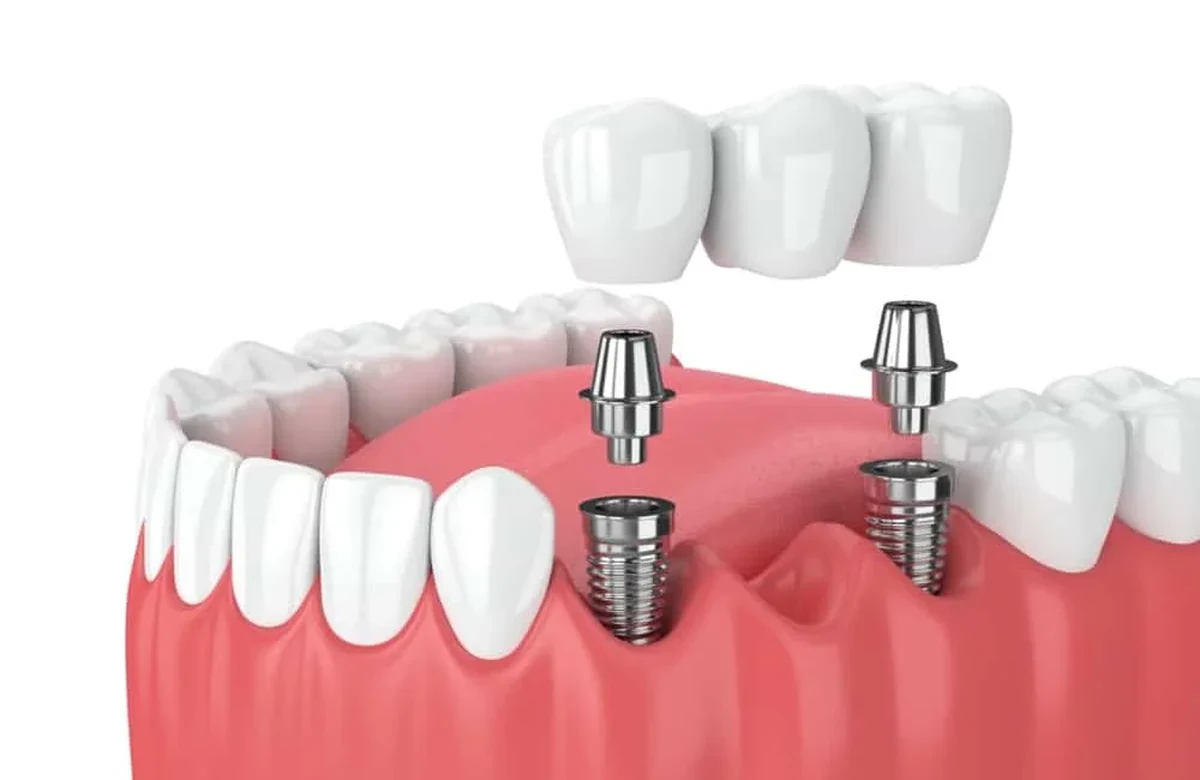
An immediate implant can be placed on the day a front tooth is extracted, provided the socket, bone and wider assessment make that appropriate. It does not automatically mean leaving with a permanent crown you can bite on. Before choosing this route, distinguish the implant placement from the temporary tooth and from when the implant will carry biting forces.
The condition of the socket matters
A careful assessment considers the reason the tooth must be removed, the integrity of the surrounding bone, the shape of the socket and available bone in which the implant can achieve initial stability. The thin facial bone of an upper front tooth may be especially relevant to the final gum contour. The clinician also evaluates gum thickness, smile line and the presence of acute conditions requiring treatment. A suitable immediate case is selected, not promised in advance to everyone.
Why extraction technique changes the plan
Preserving the socket walls and soft-tissue contours can help retain options for the final restoration. Where possible, the dentist aims to avoid unnecessary trauma during removal. After extraction the clinician reassesses whether implant placement remains appropriate. If the actual bone differs from the pre-operative assessment, placing an implant at a compromised angle simply to fulfil a same-day promise is not sound restorative planning.
Immediate placement versus immediate teeth
An immediately placed implant may be left to heal without a crown attached. In selected cases, a temporary tooth can be attached but kept out of normal biting contact. Alternatively, a temporary bonded bridge or removable tooth can fill the visible gap without loading the implant. Establish what your temporary tooth would attach to, how you could use it and when the final ceramic crown is included in the proposed schedule.
What if the immediate approach is unsuitable?
Early placement after soft-tissue healing or delayed placement after further bone healing may offer a more controlled pathway. Ridge preservation procedures can sometimes be discussed at the extraction appointment, subject to individual anatomy and evidence. A staged choice is not treatment failure; it may be the more appropriate route to a natural gum margin and correctly positioned final crown.
Front-tooth aesthetics cannot be rushed
The replacement needs to blend with its neighbours in width, shade, front-edge position and the way it reflects light. Even an implant that joins well with the bone cannot fully compensate for an awkward position or an uneven gumline. The surgeon and restorative dentist should agree the temporary design and consider how tissues may change during healing before setting expectations for the final crown.
Reading the evidence without marketing shortcuts
The 2023 ITI consensus describes clinical selection, restorative preparation and alternative temporisation for immediate protocols. Those recommendations do not make same-day surgery equivalent to an instantly completed smile. Ask for a written plan showing the preferred path and the safe fallback if conditions change. A credible assessment gives you both, alongside a realistic expectation of healing and aftercare.
What a safe plan B looks like
Before an appointment to remove a fractured upper front tooth, agree what will happen if an immediate implant proves unsuitable. The dentist assesses the socket wall towards the lip, infection and the position needed for the crown. If extraction reveals less bone than expected, preserving the site and using an adhesive temporary tooth may be more appropriate while healing or reconstruction is planned. Discussing this possibility beforehand means you know how the visible gap will be managed. The temporary should minimise pressure on healing tissues and take speech and appearance into account. A written plan should explain any change in cost, the alternatives to the immediate route and when the site can be reassessed.
Your next step, when you’re ready
We would be pleased to welcome you for a £30 consultation at your preferred Iconic Smiles practice. Bring your questions, and we can talk through the options that may suit you.
Any additional investigations and their fees will be explained before you decide.