
Invisalign and teeth straightening
Bite Ramps and Bite Turbos During teeth-straightening treatment
Some patients are surprised when their orthodontist adds small raised surfaces behind the front teeth or onto particular back teeth.
Talk to us about straightening your teeth
You might have a particular change in mind, or simply want to know what is possible. At a £30 consultation, we can talk through your goals and explain how the next steps are planned.
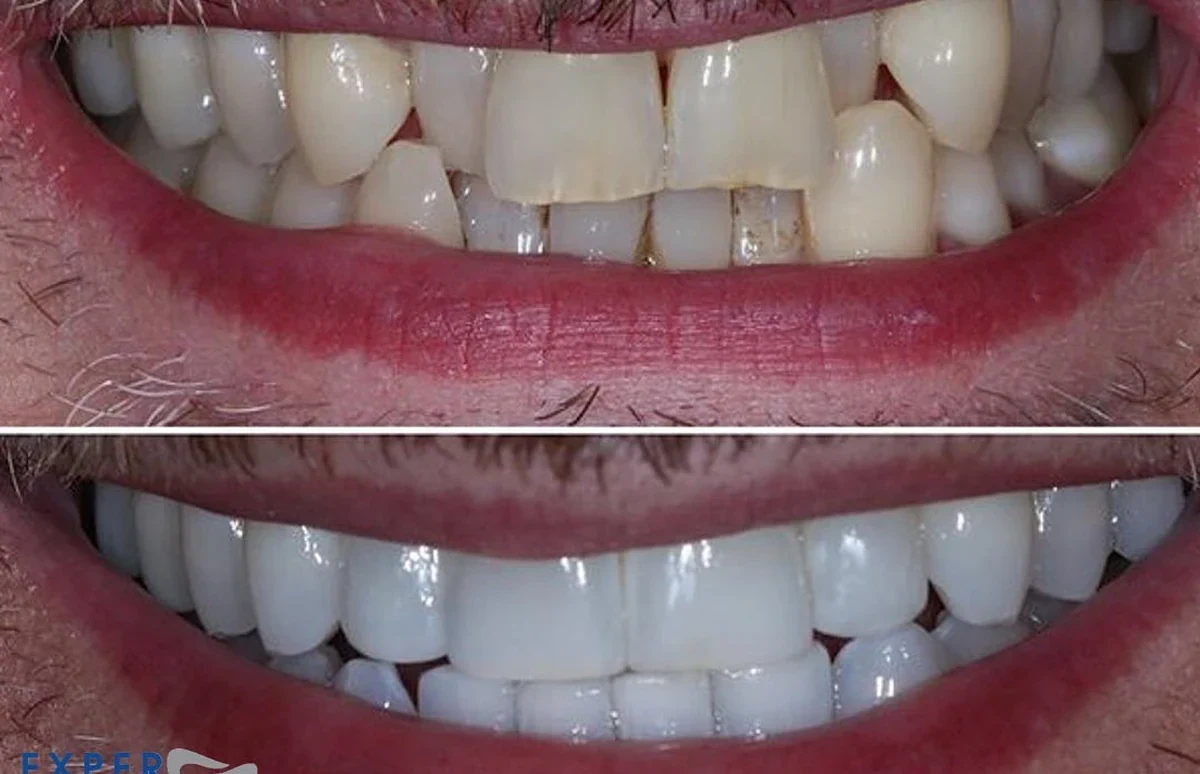
Bite ramps and bite turbos are raised surfaces that temporarily change how your teeth meet during orthodontic treatment. They may sit behind the front teeth or on selected back teeth. Depending on the plan, they can protect brackets from biting contact, create space for movement or help change the height of the bite. Knowing their particular purpose helps explain why the teeth may feel different at first.
What a deep bite can obstruct
In a pronounced deep bite, the upper front teeth may cover much of the lower front teeth. Certain fixed brackets on the lower teeth can be struck by the upper teeth when the patient closes. At the same time, teeth-straightening treatment may need to change the way front and back teeth meet. A carefully positioned bite-opening feature creates temporary separation or changes the contact point so the clinician can move teeth towards the intended relationship.
Different designs serve different mechanics
A small composite platform on a molar does not behave in the same way as a palatal ramp behind an upper incisor. The position and height are selected according to the desired tooth movement, existing contacts and appliance design. Some clear-aligner systems incorporate shaped bite ramps into the plastic, while other cases use bonded material. Patients should ask whether the feature is principally protective, intended to encourage particular vertical tooth movements, or both.
Why eating feels odd at first
Chewing can feel less efficient while the teeth meet at unfamiliar points. Speech and tongue position may also change, particularly with raised surfaces behind the upper front teeth. These expected changes should be explained before fitting, together with advice on avoiding unnecessary chewing on the feature. You also need to know how to arrange a check if bonded material breaks or leaves a sharp edge.
How treatment progress is judged
A clinician may monitor changes in overbite, lower-incisor display, molar contacts and tooth positions rather than simply observing whether the ramps look worn. In some plans the bite-opening features are removed partway through treatment; in others they remain until a later stage. Their presence is not evidence that one type of braces is superior. They are mechanical tools chosen to solve a defined problem.
When other bite strategies are preferable
Not every deep bite needs bonded turbos. Depending on the diagnosis, tooth intrusion, controlled eruption, arch coordination or an alternative appliance design may be used. Anterior open bites and certain skeletal relationships present very different challenges. The British Orthodontic Society emphasises that appliance selection follows a proper assessment rather than the marketing category of a particular system.
What to discuss before accepting the plan
Ask which teeth are being protected, which bite relationship is meant to change and when normal contacts are expected to return. Understand how the bite-opening device fits with elastics, aligner wear or fixed-brace adjustments. An orthodontic consultation should translate a small technical-looking addition into a clear functional aim that can be measured during treatment.
The difference between a temporary contact and the final bite
For example, a child with a deep bite may initially make contact only on raised platforms behind the upper front teeth. This temporary separation can be a planned way to create room or allow movement; it does not describe the intended final bite. The orthodontist should explain what chewing may feel like during the first weeks, which changes are expected and which need review. Ramp height may change as treatment progresses. Reviews can check front-tooth overlap, back-tooth contacts and whether the lower brackets remain protected. The ramps' position, wear and eventual removal all form part of a treatment method that needs monitoring.
Your next step, when you’re ready
We would be pleased to welcome you for a £30 consultation at your preferred Iconic Smiles practice. Bring your questions, and we can talk through the options that may suit you.
Any additional investigations and their fees will be explained before you decide.