
Invisalign and teeth straightening
Can Orthodontics Improve Your Bite and Smile?
Orthodontics can improve tooth alignment and selected bite relationships. The effects on your smile and facial appearance depend on the movements, anatomy and age.
Talk to us about straightening your teeth
You might have a particular change in mind, or simply want to know what is possible. At a £30 consultation, we can talk through your goals and explain how the next steps are planned.
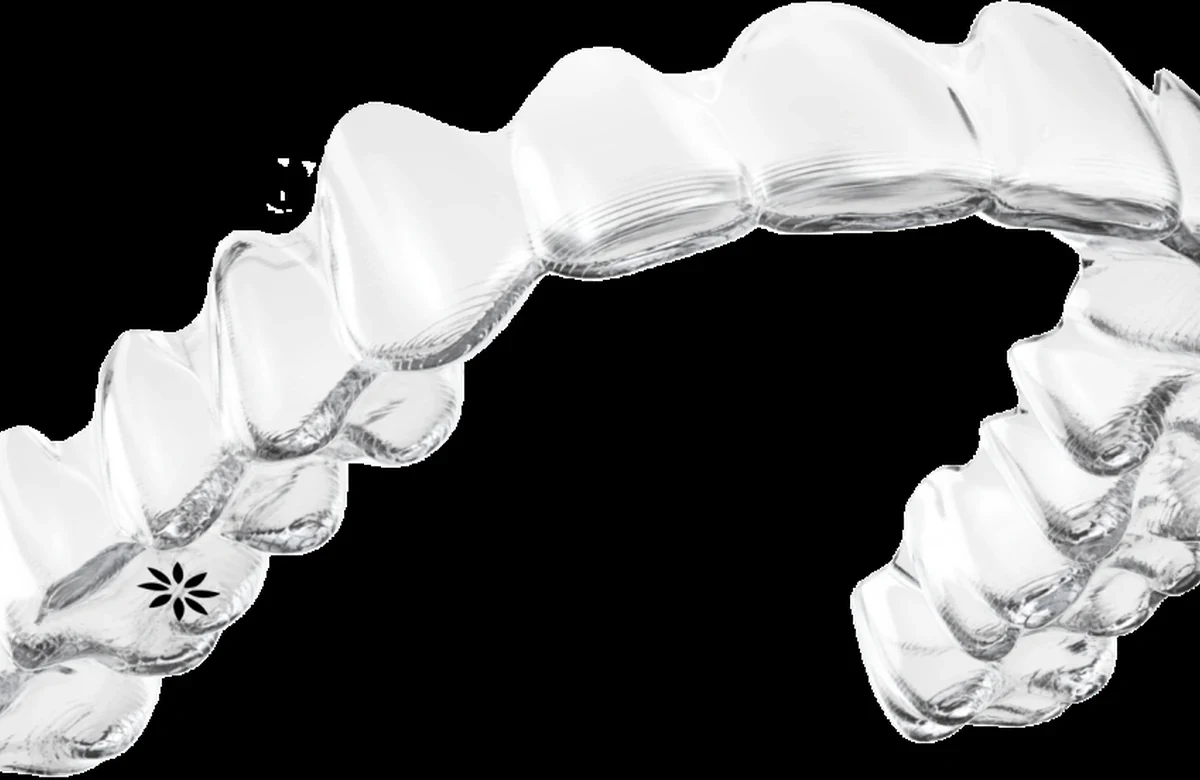
Orthodontics can improve tooth alignment and selected bite relationships, with possible changes to the visible balance of your smile. The effect on facial appearance depends on age, anatomy and the movements planned. Ordinary tooth movement cannot promise dramatic remodelling of an adult jaw or face.
What orthodontics can directly change
Moving teeth can alter dental midlines, spacing, inclination, overjet and certain bite relationships. This may improve lip support or the visible balance of the smile in some patients. The effect is individual, and the main clinical objective should include health, function, cleanliness and stability rather than a fixed aesthetic formula.
Teeth and jaws are not the same structure
An adult skeletal discrepancy is not necessarily corrected by moving teeth alone. Growth modification is relevant to selected developing patients, whereas significant adult jaw imbalance may require a different assessment or combined treatment. Social-media before-and-after images rarely isolate orthodontic changes from lighting, expression, weight or camera position.
Function and appearance should be assessed together
Improved tooth contacts can address some functional concerns, but jaw pain, headaches or speech difficulties have multiple causes and are not guaranteed to resolve with alignment. The discussion should cover the present bite, periodontal boundaries, planned movements and any restorative work needed after orthodontics.
Retention and residual limitations
Orthodontic plans have biological limits and should recognise the possibility of root shortening, gum recession and relapse. A realistic finish may prioritise long-term health over forcing a digital “perfect” alignment. Patients should be shown which concerns treatment is expected to address and which it will not.
Measure improvement without promising facial transformation
Clinical records may document overjet, overbite, tooth angulation, arch relationships or smile display. Changes in jawline photography alone are not a dependable proxy for those outcomes. Ask which measurable features the proposed treatment will address and whether the goals concern health, function, appearance or a combination.
The natural bite continues to evolve
Retention, age-related change, restoration wear and periodontal factors continue after appliances are removed. Orthodontics may improve function and appearance, but it does not freeze the face or prevent future dental treatment. Long-term success requires continuing oral health care and review of the retainers.
Straight teeth and a corrected bite are not synonyms
Teeth meet in three dimensions, so the front-view smile cannot show the whole bite. Their relationship affects chewing, wear, horizontal overlap and whether lower teeth contact the palate. An orthodontic assessment considers crown positions, root angles and the jaws. Moving one tooth for appearance may alter contacts elsewhere, which the plan should explain alongside the expected cosmetic improvement.
Facial balance has important limits
Orthodontics can affect the support provided by front teeth and the way lips rest over them. It cannot predictably remodel the underlying adult jaw skeleton through ordinary aligners or braces. A large skeletal discrepancy may require a different discussion, including accepting a compromise or considering specialist assessment. Online before-and-after images can exaggerate facial changes through lighting, facial expression, weight changes and camera angle. Ask what visible difference is realistically expected in your face, and which parts of the simulation represent tooth movement rather than changes to bone.
Why a proper bite diagnosis changes the appliance choice
Mild crowding without significant bite disturbance may suit several kinds of braces or aligners. Deep bites, major rotations, impacted teeth and significant discrepancies between arches can be more demanding. Attachments, elastics, interproximal enamel reduction, extractions or fixed appliances may be discussed where appropriate, but their necessity depends on diagnostic findings. The clinician should explain whether treatment is comprehensive, limited to one arch or primarily cosmetic. Short-term front-tooth alignment is not automatically unsuitable, yet its limitations should be clearly understood before paying for treatment.
Judge the finish on stability as well as photographs
At completion, the aim is a functional relationship with manageable contacts and healthy surrounding tissues. Straightening cannot guarantee protection from clenching, jaw pain or later wear. Gum assessment and cleaning remain important, and a long-term retainer plan helps address relapse and age-related movement. Before starting, agree the realistic endpoint, alternatives and maintenance you are prepared to undertake.
Your next step, when you’re ready
We would be pleased to welcome you for a £30 consultation at your preferred Iconic Smiles practice. Bring your questions, and we can talk through the options that may suit you.
Any additional investigations and their fees will be explained before you decide.