
Invisalign and teeth straightening
Southgate Orthodontic Consultation: Finishing an Uneven Bite
If you are travelling from Southgate about an uneven bite, ask the orthodontist what is causing the contacts to differ from one side to the other. The finish should account for tooth positions, wear and existing restorations. Agree which visits would check the bite and how it would be retained.
Talk to us about straightening your teeth
You might have a particular change in mind, or simply want to know what is possible. At a £30 consultation, we can talk through your goals and explain how the next steps are planned.
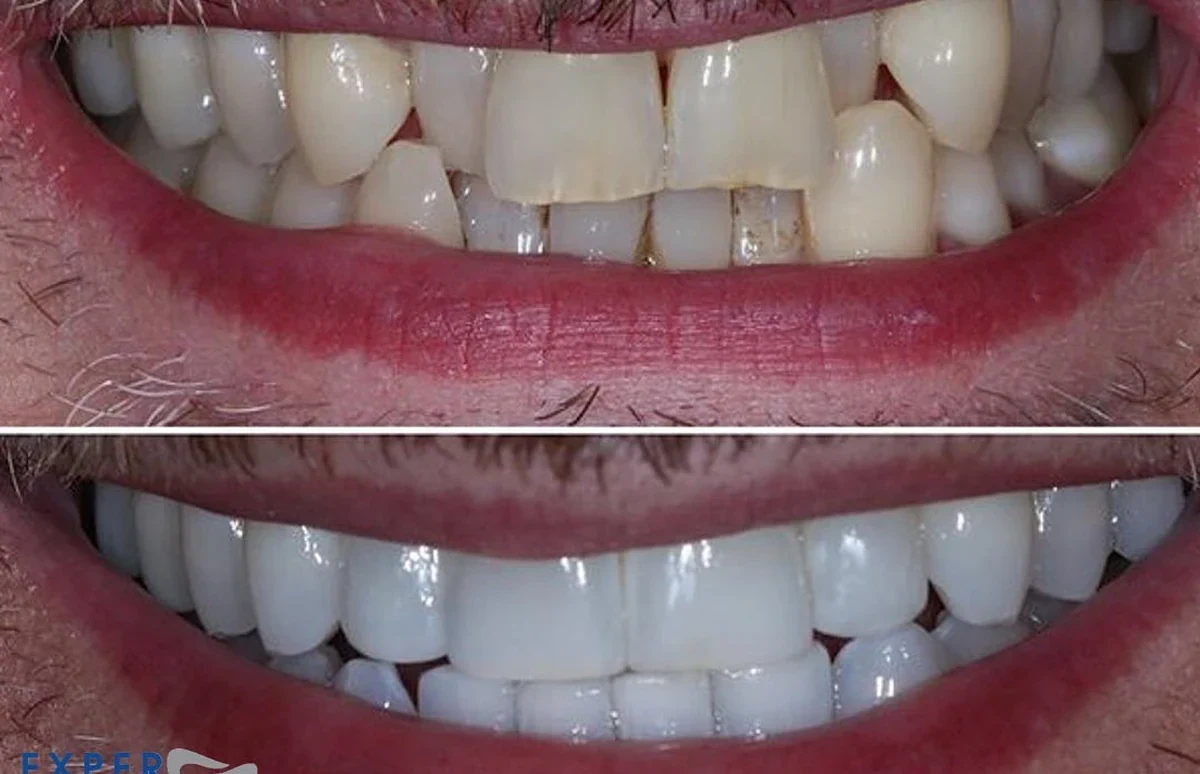
For broader context on this question, read Invisalign for an edge-to-edge bite: planning front-tooth protection and Choosing an Invisalign Dentist: Consultation Checklist.
An uneven bite needs a diagnosis before the appliance or treatment time can be chosen. If you are considering orthodontics from Southgate, the assessment should distinguish tooth position, jaw relationships, worn edges and the effects of existing restorations. How upper and lower teeth meet affects comfort and function as well as the front-tooth appearance. A photograph alone cannot decide which treatment suits those findings.
Ask about the bite rather than just crowding
Checks may include the dental centreline, canine and molar contacts, the horizontal front-tooth gap or overjet, the vertical overlap or overbite, and any shift as you close. A rotated tooth, arch width or lip movement can make one side look broader. Scans and photographs can help explain the findings, with X-rays used where justified. The plan should separate movements that are realistic from facial or dental features they cannot change.
What a digital prediction should show
A simulation can illustrate the planned positions of teeth but should not be treated as a guarantee of exact movement. The clinician should point out difficult rotations, vertical movements and contacts that may need attachments or additional mechanics. If an uneven bite involves a skeletal discrepancy, clear aligners alone may be insufficient. A specialist teeth-straightening assessment can clarify whether fixed appliances, alternative approaches or interdisciplinary planning is needed. The patient should understand the difference between the proposed treatment and other clinically valid options.
Plan for existing dentistry
A crown, bridge or implant can limit the movements that are practical. An implant-supported crown cannot migrate orthodontically in the same way as natural teeth. Large fillings and existing veneers may influence attachment placement or final tooth shape. Before starting, ask whether old restorations will be changed after alignment and whether those costs are part of the quote. Orthodontic movement often provides useful space for conservative cosmetic finishing, but it should not be undertaken solely on the assumption that veneers will later conceal an unresolved bite problem.
Consider travel and appointment logistics
A person attending from Southgate should know where follow-up appointments occur, which clinician provides urgent appliance advice and how regularly the treatment may need review. Removal and cleaning routines matter for aligners; bracket breakage and wire cleaning matter for fixed braces. The most attractive-looking appliance is not necessarily the most practical one for someone's commuting or work pattern. Discuss compliance, expected attendance and what happens if a tray or appliance part is lost during travel.
Finish with a retention agreement
Once the agreed positions and contacts are reached, retainers help hold them. Fixed and removable designs have different cleaning and repair needs. Establish how the final bite will be checked, whether further adjustments are anticipated and how replacement retainers are arranged. These details make the finishing plan and continuing commitment clear.
A practical consultation example
If one side of your upper smile looks more prominent, the cause may be a tilted canine, uneven arch width or the contour of a crown. Moving that canine alone would not address every possibility. Equally, straight-looking front teeth can coexist with a one-sided crossbite needing a broader assessment. The plan should identify the finding each movement addresses and how the outcome will be checked. Include follow-up and retention when weighing the benefit against the cost and travel from Southgate.
British Orthodontic Society guide to what is checked at an orthodontic assessment
Your next step, when you’re ready
We would be pleased to welcome you for a £30 consultation at your preferred Iconic Smiles practice. Bring your questions, and we can talk through the options that may suit you.
Any additional investigations and their fees will be explained before you decide.