
Invisalign and teeth straightening
Orthodontics When Tooth Roots Are Short: What Changes?
Root length and shape are relevant to orthodontic planning because teeth are moved through living supporting tissues.
Talk to us about straightening your teeth
You might have a particular change in mind, or simply want to know what is possible. At a £30 consultation, we can talk through your goals and explain how the next steps are planned.
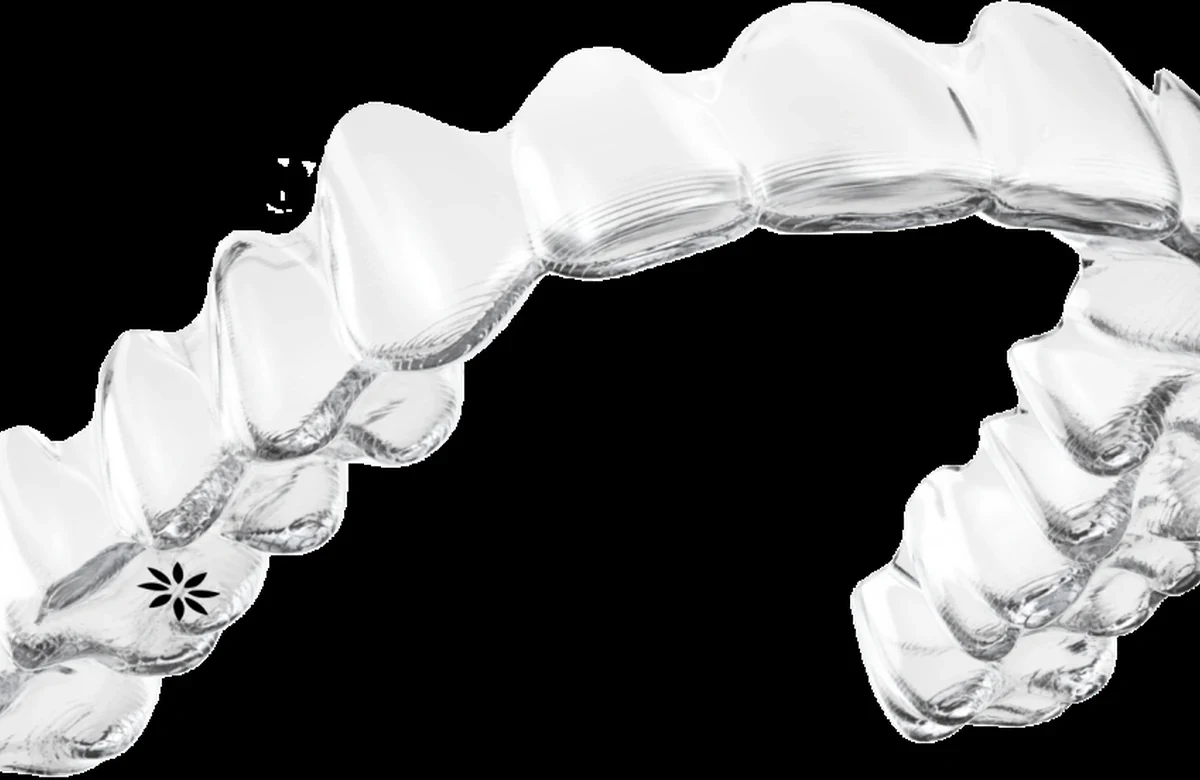
Short roots do not automatically prevent orthodontics, but they can change the movements, monitoring and aims that are appropriate. They may reflect natural variation, development, past injury or previous orthodontic change. Their support and history need assessment before forces are prescribed. A visible-smile simulation cannot show every root feature or predict an individual's response.
Establish the baseline rather than guessing
The provider reviews dental history, past orthodontics, relevant trauma and any previous radiographs. If imaging is clinically justified, it can help distinguish general root shape from changes that may have occurred over time. Periodontal support, mobility and tooth vitality also matter. A short root with healthy surrounding bone is a different clinical situation from a short root with substantial attachment loss. The diagnosis should make that distinction clear.
Why force and movement goals matter
Orthodontic movement involves remodelling of living supporting tissues and carries a risk of root resorption, where some root tissue is lost. The movement's type and extent, treatment duration and individual susceptibility all matter, although the response cannot be predicted exactly. Limited aims, closer monitoring or a different technique may be appropriate when this risk is significant. Discuss that balance before extensive cosmetic or bite correction.
Cosmetic alternatives may reduce movement
If one slightly irregular incisor bothers the patient, conservative additive composite may sometimes improve its outline without moving the root. Such camouflage cannot correct a substantial bite problem, and overbulking healthy teeth should be avoided. A limited orthodontic approach can also be considered when a full correction would require disproportionate movement. The decision needs to compare long-term tooth health with the patient's desired visible improvement.
Monitoring must have a purpose
Routine repeated radiographs without justification should not be promised as a guarantee against resorption. When monitoring is indicated, the clinician should explain what finding would change treatment and whether particular teeth need different review intervals. Symptoms alone cannot reliably detect every root change. Patients should receive a clear plan for what happens if concerning changes are identified, including the possibility of modifying or stopping active movement.
The consent conversation
Ask what is known about existing root length, which movements are essential, what would be an acceptable limited result and how teeth will be retained afterwards. A realistic plan preserves dental health ahead of perfect digital symmetry. Orthodontics can still be worthwhile, but the clinician should not imply that risk disappears because the appliance is removable or marketed as gentle.
An illustrative adult retreatment decision
For example, someone seeking minor front-tooth alignment after two earlier brace courses may have records showing a short incisor root. The assessment needs to consider whether it is stable, part of natural anatomy or related to earlier care, alongside the current gum and bone support. Limited bonding or accepting a small irregularity may offer a preferable balance for a tiny cosmetic concern. A significant functional bite problem may still justify discussing carefully limited movement and monitoring.
Clear trays do not automatically remove root-resorption risk, and short roots do not create an absolute ban without assessment. Establish which records are needed, which movements have the most value and what findings would prompt a change. Written consent should explain reasonable cosmetic alternatives and any movements deliberately left out to protect long-term tooth health.
Compare roots with the planned movement
A tooth with a short root is not necessarily excluded from orthodontics, but its support and history warrant careful review. Previous trauma, unusual root development and any radiographic evidence of resorption are relevant. The clinician may choose smaller movements, altered force systems and appropriate interval imaging where indicated. A cosmetic alignment plan should not promise a precise safe threshold that applies to every root.
Your next step, when you’re ready
We would be pleased to welcome you for a £30 consultation at your preferred Iconic Smiles practice. Bring your questions, and we can talk through the options that may suit you.
Any additional investigations and their fees will be explained before you decide.