
Invisalign and teeth straightening
Can you have Invisalign with thin gums or gum recession?
Considering Invisalign? Understand why gum health and support should be checked before choosing a teeth-straightening plan.
Talk to us about straightening your teeth
You might have a particular change in mind, or simply want to know what is possible. At a £30 consultation, we can talk through your goals and explain how the next steps are planned.
ICONIC SMILES · DIAMOND APEX
Invisalign care. Diamond Apex experience.
Choose Iconic Smiles, a Diamond Apex Invisalign provider serving Hertfordshire and North London, for individually planned clear aligner treatment.
What does Diamond Apex Invisalign Provider mean?
Diamond Apex is an Invisalign provider tier recognising high annual treatment volume. It reflects extensive experience with the Invisalign system. Your treatment is planned around your teeth, bite and goals, with clinical reviews and retention discussed from the outset.
Thin gums or recession do not always rule out Invisalign, but they can limit the movements that are appropriate. An assessment should establish the support around the roots, whether gums are stable and how the proposed tooth positions would affect them before treatment is chosen.
Tooth movement affects roots within their supporting bone and gum, as well as the visible crowns. Similar-looking crowding can therefore need different plans when tissue thickness, recession or bone contours differ. These findings also matter if bonding or veneers may follow alignment. Including gum assessment helps plan for both the health and appearance of the result.
What clinicians mean by periodontal phenotype
Periodontal phenotype describes the gum and support around teeth, including tissue thickness and the width of firmer, keratinised gum tissue. Thin tissue may show contours or recession more readily, but thickness alone cannot predict the result. Root position within bone is also important. The clinician checks margins, bleeding, recession and pockets where needed, using imaging when it answers a specific anatomical question.
Expansion is not the same as growing a wider jaw
A digital aligner animation might show teeth moving outward and the smile appearing broader. In adults, much of this may involve tipping or controlled movement within the existing supporting tissues, not skeletal widening. The dentist should explain whether the target position is achievable without placing roots unfavourably against the outer bone. Arch width, tooth inclination, gingival contour and contacts between teeth when biting all influence the plan. If there is pronounced crowding, alternatives such as limited enamel reduction, extractions in selected cases or other orthodontic mechanics deserve comparison rather than assuming every arch should simply be expanded.
Existing recession should be documented
A receded gum margin is not corrected automatically by straightening the crown. Some recession reflects tooth position; other factors include brushing technique, prior inflammation, anatomy and past trauma. Orthodontic movement might improve certain unfavourable positions but cannot be promised to replace lost gum tissue. A baseline photographic and periodontal record makes it possible to judge whether a visible change was present before treatment. If gum disease is active, stabilisation should precede elective tooth movement. The aim is to move teeth into a position supported by a healthy, maintainable environment.
Tooth movement and cosmetic proportions interact
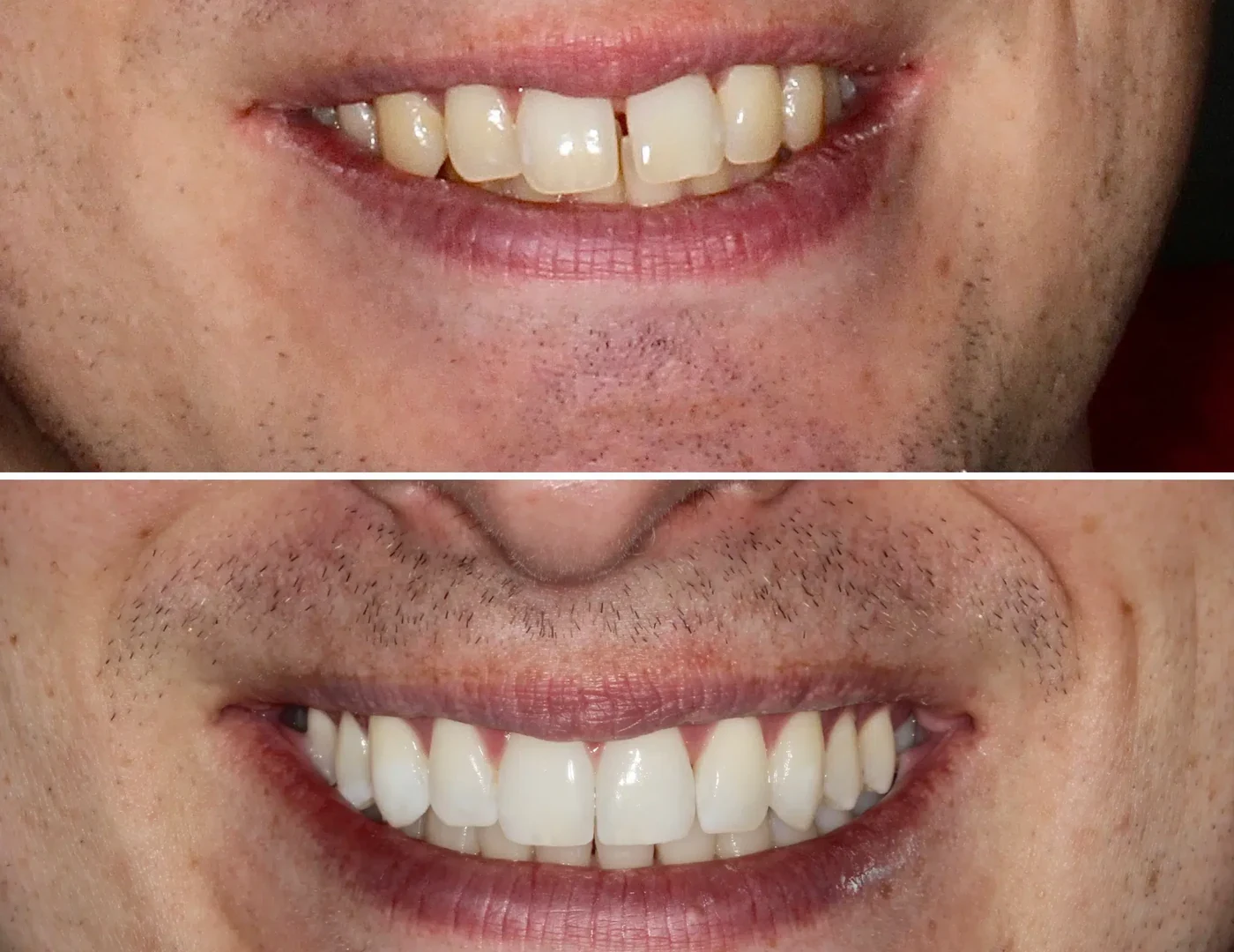
Straight teeth can still have small dark spaces between them because tooth shape and gum height also affect the smile. In selected cases, careful enamel shaping or limited bonding may help. The small triangles of gum between teeth and the final tooth proportions need consideration: broad composite additions can make flossing difficult, and enamel reduction will not suit every tooth. The clinicians planning tooth movement and cosmetic care should consider these details together.
What the treatment plan should explain
Ask the clinician to show the intended root and crown movements, the present gum levels and whether they foresee a risk of unfavourable recession or incomplete closure of triangular spaces. Discuss whether the proposed treatment changes only the front six teeth or also the bite and posterior contacts. Find out how periodontal reviews will be coordinated with aligner appointments. Your written plan should describe the alternatives and limits rather than promising that all gum concerns disappear when teeth become straighter. Retainers then help preserve the achieved alignment.
A better cosmetic outcome starts below the gumline
A suitable alignment plan considers bone, roots and soft tissues together. EFP guidance supports diagnosis and control of gum disease, while BOS guidance emphasises assessment and realistic consent. The explanation should connect your gum findings with the movements, limits and care needed for the smile you want.
Evidence and further reading
- European Federation of Periodontology: S3 clinical guidelines
- British Orthodontic Society: choosing orthodontic treatment
- Systematic review: clear aligner accuracy and stability — PMID 39926927
The practices are in Hatfield and Cheshunt in Hertfordshire, and Friern Barnet in North London. If travelling from Bedfordshire, Buckinghamshire or Essex, use the actual clinic address on your confirmation.
Your next step, when you’re ready
We would be pleased to welcome you for a £30 consultation at your preferred Iconic Smiles practice. Bring your questions, and we can talk through the options that may suit you.
Any additional investigations and their fees will be explained before you decide.