
Invisalign and teeth straightening
Teeth straightening without enamel reduction (IPR): your options
IPR means removing a small amount of enamel between selected teeth to make space. Find out why a dentist might recommend it and what alternatives to ask about.
Talk to us about straightening your teeth
You might have a particular change in mind, or simply want to know what is possible. At a £30 consultation, we can talk through your goals and explain how the next steps are planned.
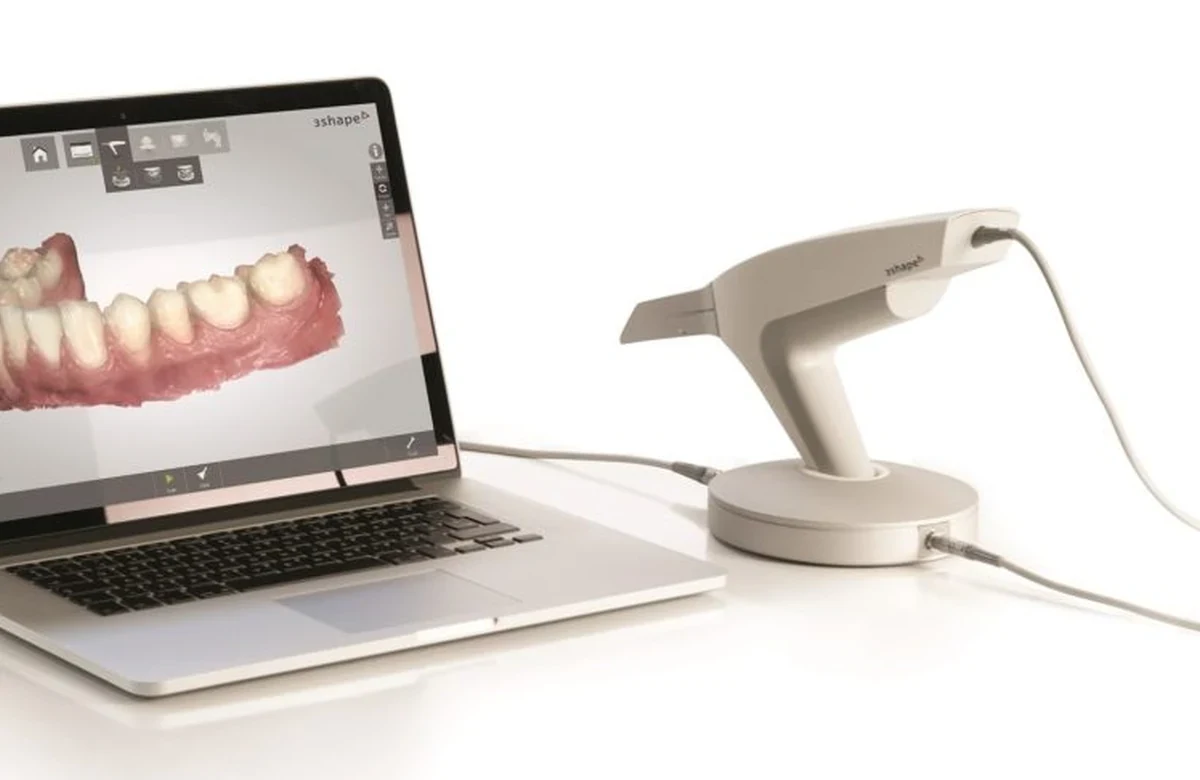
Say what concerns you before agreeing to enamel reduction
IPR removes enamel from between selected teeth to make space or adjust their shape. It is possible to straighten some teeth without it, but that depends on the space needed and the intended result. The British Orthodontic Society (BOS) warns that excessive enamel removal can harm teeth. Explain what concerns you, so the clinician can compare the realistic alternatives before you commit. [1]
Find out how much of the plan depends on the space strategy
The available space and intended final positions are part of the diagnosis and treatment plan. BOS aligner guidance describes selected approaches using modest arch expansion or reductions in tooth width, while severe or complex problems may need additional techniques. Ask what the proposed IPR contributes and whether removing it changes the achievable result. An alternative is not established simply by choosing a different appliance brand. The important comparison is between suitable complete plans for your teeth and bite, with the expected compromise made visible rather than an unsupported promise that the original preview can be delivered unchanged without any space-creation step. [2][1]
Discuss other non-extraction approaches where appropriate
In selected cases, another planned arrangement or change in arch form may be relevant. The assessment must determine whether that suits the teeth, bite and wider clinical situation. Ask which positions would change and what limitations the alternative introduces. Do not interpret a general description of expansion as proof that every adult can create unlimited space or avoid all other interventions. A limited treatment objective may also be a possibility if the patient accepts what remains uncorrected. Such a compromise should be described clearly, including why it is reasonable and what continuing care or monitoring would still be needed. [2][3]
Evaluate extraction proposals as a different irreversible choice
The BOS adult leaflet notes that teeth may need removal in some orthodontic situations and that a detailed assessment is always necessary. If extraction is proposed as an alternative, request its own clinical rationale, benefits, important risks and consequences. Avoid assuming that it is automatically required because you declined IPR, or that it can never be appropriate. The clinician should explain how the complete plan changes, including the intended movements and practical stages. A preference to preserve enamel deserves consideration, but it should be weighed against the actual intervention and compromise of each realistic route rather than a simplified choice between labels. [3]
Put the safety evidence and no-treatment option in context
A review found no observed adverse effects in its included IPR studies, but the evidence was low or very low quality. That should inform a balanced explanation, not a guarantee of harmlessness. You may also choose no active orthodontic correction after discussing the findings and consequences. Ask whether any separate disease or symptom still needs care and what would be monitored. An acceptable appearance compromise is not the same as leaving a diagnosed health problem untreated. The decision should reflect your priorities and actual clinical findings, with uncertainty acknowledged rather than used to pressure you towards or away from one procedure. [4]
Compare the complete commitment before deciding
Ask for the suitable alternatives, their objectives, irreversible steps, expected stages, retention needs and itemised costs. NHS and BOS guidance explain that retainers are needed after orthodontics, so avoiding IPR does not remove that commitment. At Iconic Smiles, confirm who is responsible for the treatment plan and how further questions can be reviewed. A second opinion can help resolve a specific clinical uncertainty when the relevant records are available. The strongest decision is one you understand and accept, without assuming either that IPR is compulsory for every patient or that declining it leaves the original plan entirely unchanged. [5][6][7][8]
For your treatment plan:
If you prefer to avoid IPR, understand how the alternative would create space or change the treatment goal. You can weigh any irreversible step against a limited correction or no active treatment.
Further questions to consider before treatment
- Some Invisalign plans use a small amount of enamel reduction to create space; discuss why and possible alternatives before starting.
- If an alternative space-management approach is proposed, discuss what it changes about the movements and final result you are aiming for.
Research and guidance
- BOS Statement: Interproximal reduction - British Orthodontic Society (BOS)
- Clear aligners - British Orthodontic Society (BOS)
- Primary professional guidance — bos.org.uk
- Effects of interproximal enamel reduction techniques used for orthodontics: A systematic review.
- Retainers - British Orthodontic Society (BOS)
- Braces — NHS
- Dental Team | Meet the Iconic Smiles Clinicians
- Dental Fees & Finance: Treatment Prices | Iconic Smiles
Your next step, when you’re ready
We would be pleased to welcome you for a £30 consultation at your preferred Iconic Smiles practice. Bring your questions, and we can talk through the options that may suit you.
Any additional investigations and their fees will be explained before you decide.