
Repairing your teeth
Acid Erosion: How Diet, Reflux and Everyday Habits Affect Tooth Enamel
Dental erosion is chemical loss of tooth mineral caused by acids not produced by bacteria.
Talk through your options for repairing teeth
If you would like to understand how a tooth might be repaired or protected, a £30 consultation offers time to discuss your concerns and what an individual assessment may involve.
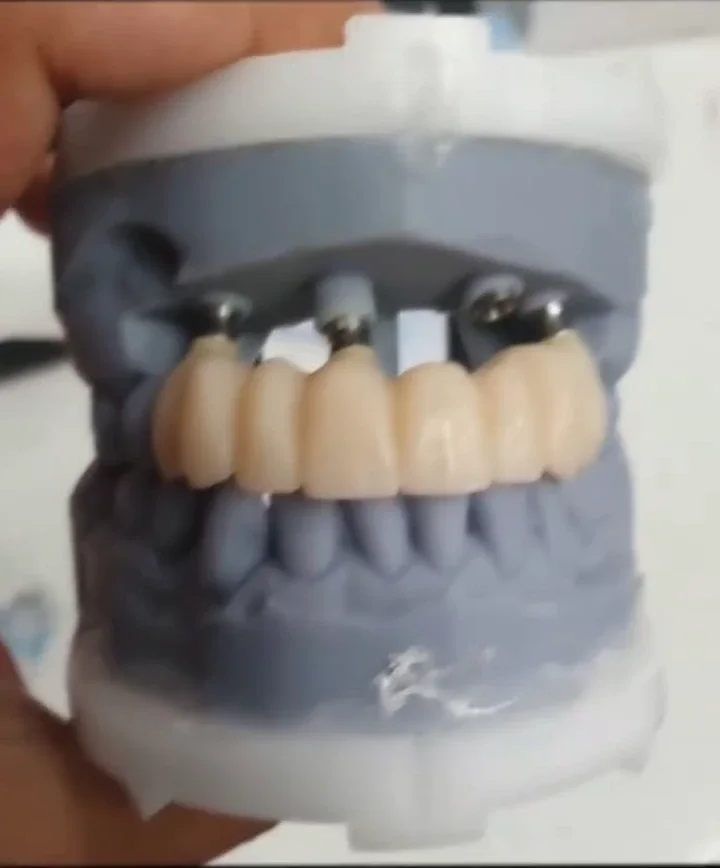
Acid erosion wears away tooth mineral through acid exposure that is separate from bacterial tooth decay. Diet, reflux, vomiting and everyday habits can contribute, sometimes alongside physical wear. Treatment starts by identifying the causes; rebuilding a tooth alone cannot stop continuing exposure.
Recognising erosive tooth wear
Changes can include smoother or cupped surfaces, thinning edges, sensitivity and altered tooth shape. Examination considers the pattern across teeth, photographs, wear monitoring and possible coexisting grinding or abrasion. You may notice shorter front teeth while the greatest tissue loss is on other surfaces.
Where the acid comes from
Frequent acidic drinks, certain foods and intrinsic acid associated with reflux or vomiting can contribute. Frequency, contact time, sipping habits and saliva influence exposure. This is different from bacterial caries caused by sugar metabolism, so prevention should distinguish the two processes rather than treating all tooth damage as one condition.
Dietary prevention without unnecessary restriction
Reduce repeated acid exposure and consider having acidic drinks with meals rather than sipping them continually. Water and other appropriate neutral choices may help between meals. Following an acid episode, avoid immediate vigorous brushing; individual fluoride and oral-hygiene advice should be obtained. Do not stop prescribed medicines or self-diagnose reflux on the basis of tooth appearance.
When medical assessment is relevant
Erosion patterns and reported heartburn, regurgitation or recurrent vomiting may warrant a discussion with the GP or an appropriate clinician. A dental team can identify oral consequences but should not claim to diagnose or treat the full underlying medical condition. Protecting dental surfaces and managing the source of acid can require parallel care.
Restoration depends on severity
Early changes may be monitored with preventive advice; more substantial tissue loss or functional problems can require composite, onlays or coordinated rehabilitation. Rebuilding teeth without controlling repeated acid exposure can compromise restorations and produce further wear. Materials and occlusion need planning when several teeth are affected.
What to ask at review
At review, understand which types of wear are present, which habits or medical factors may contribute and how progression will be monitored. The plan should explain whether prevention, sensitivity relief or rebuilding function is the immediate aim and how the stages fit together.
Acid exposure and bacterial decay are different processes
Erosion comes from acid outside the decay process, including drinks or stomach acid. Tooth decay develops when plaque bacteria turn sugars and other fermentable carbohydrates into acid. Both can occur together and add to sensitivity or tissue loss. Knowing which is present helps target prevention instead of relying on a filling to stop the cause.
A dietary review looks at drink frequency, prolonged sipping and brushing after acid exposure, then finds ways to reduce repeated episodes without compromising nutrition. Ongoing heartburn, unexplained acid regurgitation or vomiting needs appropriate medical assessment alongside dental care. Higher-fluoride prevention may suit some people, with the recommendation based on individual risk.
Restoration is considered when function, sensitivity or structural integrity require it. Monitoring photographs and study models can help distinguish active progression from old stable wear. The most conservative option may be stabilising the cause before placing composite or crowns.
A dietary diary can reveal repeated acid exposure
Two people may drink similar volumes of acidic beverages but expose their teeth differently. Someone who sips a drink over several hours creates repeated challenges to the tooth surface, whereas drinking with a meal and then returning to water changes the pattern. Reflux and vomiting can expose different tooth surfaces to acid and should prompt appropriate medical discussion if persistent. The dentist may record wear patterns and photographs to identify progression.
Sources and professional guidance
- NHS — looking after teeth and gums
- UK Government — Delivering Better Oral Health evidence-based toolkit
Applying the information:
Your next step, when you’re ready
We would be pleased to welcome you for a £30 consultation at your preferred Iconic Smiles practice. Bring your questions, and we can talk through the options that may suit you.
Any additional investigations and their fees will be explained before you decide.