
Bonding, veneers and whitening
Composite bonding with thin or eroded enamel
Where a tooth has lost enamel through wear, the restoration needs planning around the remaining tissues and the cause of the loss.
Discover what could suit your smile
Whether you are thinking about colour, shape or a subtle change, a £30 consultation is a welcoming place to share your ideas, ask questions and explore a personalised approach.
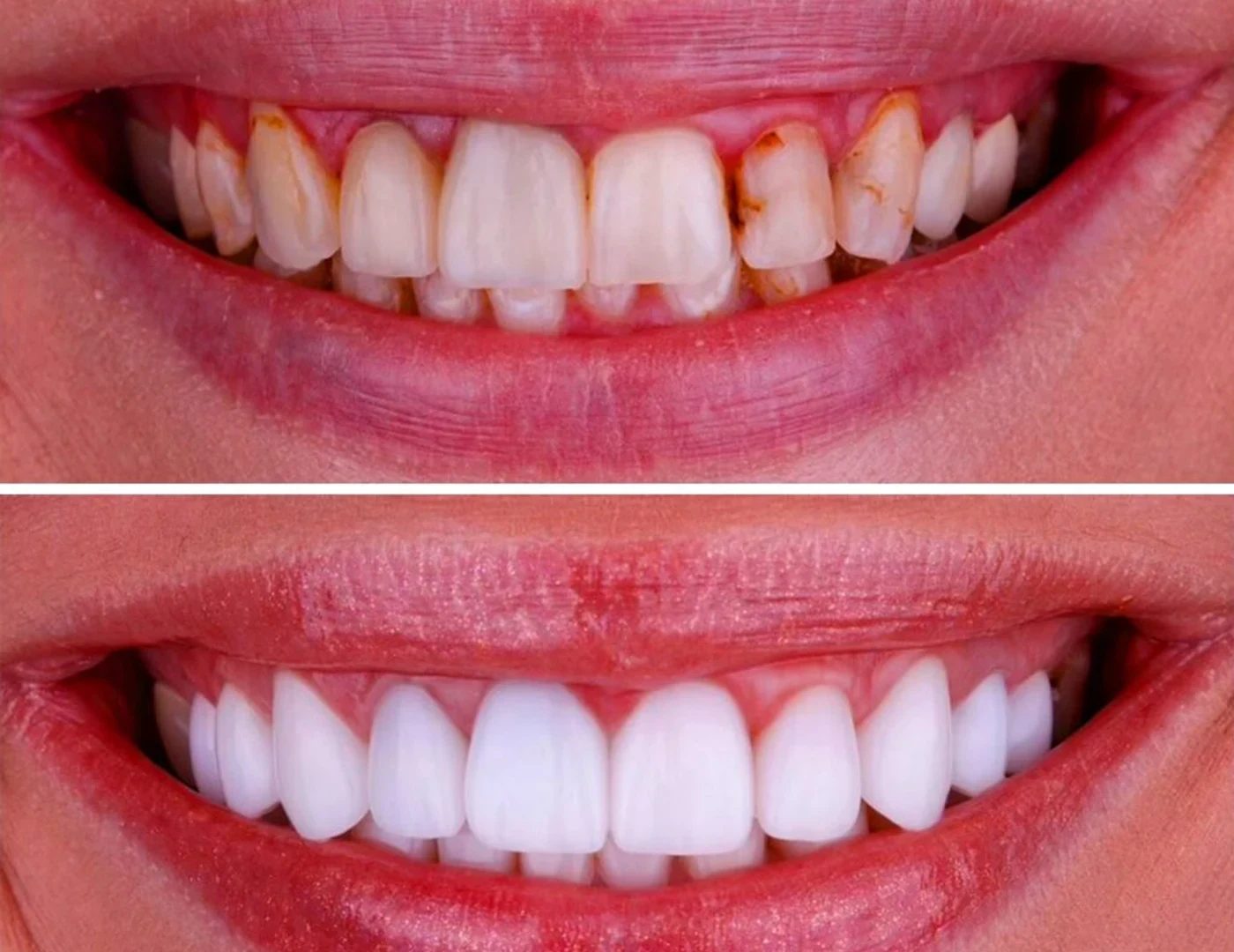
Thin enamel changes the assessment, not just the shade choice
Composite bonding may be an option for teeth with thin or eroded enamel, but it needs to suit the remaining tooth tissue and the reason for the loss. UK guidance describes both chemical and mechanical causes of tooth wear. A translucent edge in a photograph cannot show how much enamel remains or whether wear is continuing; those questions need a dental assessment. [1]
Identify what the treatment is intended to achieve
Bonding can rebuild selected worn surfaces. Before choosing it, be clear whether you want to improve shape, appearance, function or a combination of these, and which surfaces would receive resin. The dentist needs to assess the tooth and the space available before explaining any preparation. 'No-prep bonding' should not be promised in advance of that assessment. [2]
Manage the cause alongside the reconstruction
Acidic food and drinks, acid exposure from a medical cause, symptoms and relevant habits all deserve discussion when assessing wear. Preventive advice can then address the findings. Resin may rebuild a surface, but it cannot remove an ongoing cause of wear on its own, so prevention remains part of the treatment plan. [1]
What published wear outcomes can tell you
A systematic review supports composite as a short- to medium-term option for selected wear affecting the front teeth. The studies varied considerably, and the authors emphasised the need for monitoring, repair and eventual replacement. This makes composite an option to consider, with maintenance in mind; it cannot guarantee a result for every degree of enamel loss or justify treating all eroded teeth alike. [2]
Agree how progression and repair will be reviewed
Ask which records will be used to compare wear over time, what changes would prompt reassessment and whether a local repair would be possible if an edge chipped. Where wear involves several parts of the bite, the treatment may need a broader assessment than a single cosmetic addition. Compare the consequences of observation, additive treatment and any more extensive option recommended for your actual findings.
Research and guidance
Your next step, when you’re ready
We would be pleased to welcome you for a £30 consultation at your preferred Iconic Smiles practice. Bring your questions, and we can talk through the options that may suit you.
Any additional investigations and their fees will be explained before you decide.