
Invisalign and teeth straightening
Dental Check-Up Before Invisalign
A check-up before Invisalign is about getting off to a healthy start. We look at your teeth, gums and bite before recommending a plan.
Talk to us about straightening your teeth
You might have a particular change in mind, or simply want to know what is possible. At a £30 consultation, we can talk through your goals and explain how the next steps are planned.
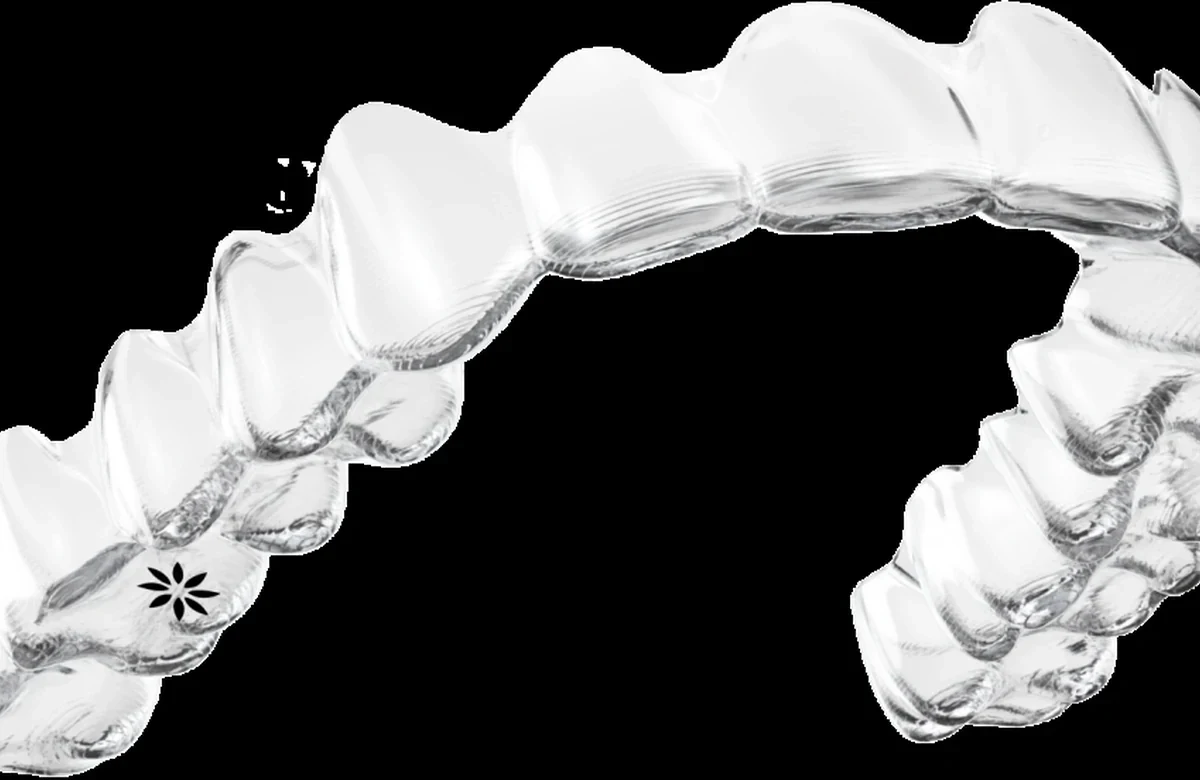
ICONIC SMILES · DIAMOND APEX
Invisalign care. Diamond Apex experience.
Choose Iconic Smiles, a Diamond Apex Invisalign provider serving Hertfordshire and North London, for individually planned clear aligner treatment.
What does Diamond Apex Invisalign Provider mean?
Diamond Apex is an Invisalign provider tier recognising high annual treatment volume. It reflects extensive experience with the Invisalign system. Your treatment is planned around your teeth, bite and goals, with clinical reviews and retention discussed from the outset.
Before Invisalign, a dental assessment checks whether your teeth, gums, bite and existing restorations can support the intended movement. Active decay or untreated gum disease may need care first. Medical history and the practical demands of wearing an appliance also matter. A cosmetic scan alone cannot establish suitability.
Check the periodontal foundation
Bleeding gums may reflect gingival inflammation, while periodontitis involves loss of tooth support and requires a more detailed evaluation. Appropriate charting, radiographs where indicated and assessment of oral hygiene help establish the degree of stability. Orthodontics may be possible after periodontal control in selected patients, but movement through compromised tissues needs careful planning. A cosmetic digital scan does not substitute for periodontal diagnosis.
Decay and restorations influence appliance design
Cavities, defective margins and fragile teeth may need care before active movement. Existing crowns or veneers can also influence attachment bonding and the planned final tooth proportions. If a patient intends to whiten or bond teeth after Invisalign, the order matters because restorations will not respond to whitening like natural enamel. The orthodontist and restorative dentist should agree which procedures precede alignment and which follow it.
Review the bite and root relationships
The assessment includes how back teeth and canines meet, crowding or spacing and the possible effect of movement on gum margins. X-rays should answer a diagnostic question rather than simply demonstrate technology. Straightforward aligners may suit some cases; a jaw discrepancy, impacted tooth or complex root movement may need a more detailed orthodontic or specialist assessment.
Can the patient follow the routine?
Removable aligners usually require a substantial daily wear commitment, cleaning after meals and attendance at planned reviews. The clinician should discuss food habits, sports, manual dexterity, anxiety and work schedules before recommending a device. If consistent wear is unlikely, a fixed approach may be more appropriate. This is case selection, not a judgement about motivation; different lifestyles suit different mechanics.
What the assessment should deliver
Ask for a written diagnosis, the planned movement and bite objectives, any preventive care to complete first, anticipated retention and an explanation of alternatives. A £30 consultation may be the start of a conversation, but the full clinical assessment and treatment fee should be confirmed separately. The best Invisalign candidate is someone whose mouth and treatment goals match the appliance, not simply someone who wants clear trays.
An illustrative check-up before aligners
For example, someone planning aligners before a wedding may also have bleeding gums and a large old molar filling. An attractive simulation cannot show whether inflammation needs treating first or the filling has a defective edge that needs attention. These checks establish a suitable starting point for tooth movement. If no additional disease is found, they provide baseline records for monitoring.
Someone with healthy gums but a substantial jaw discrepancy needs a different discussion about the movements possible and whether specialist input is appropriate. The first examination distinguishes these situations. Before accepting an advertised duration, understand the diagnosis, treatment scope, finishing aims and retention plan. The initial appointment is useful when it leads to an appropriate assessment and an informed choice.
Ask what happens if the check-up finds a problem
A sound assessment produces a sequence, not merely a yes-or-no decision about aligners. For example, a patient with bleeding gums may first need plaque control and gum health assessment, followed by a review showing whether inflammation is controlled before orthodontic forces begin. A large filling with a defective edge may require repair before attachments are bonded; a missing tooth may require the orthodontic space to be planned with the eventual implant or bridge in mind. The dentist should distinguish conditions that genuinely delay tooth movement from minor findings that can be managed alongside treatment. This avoids unnecessary delay while protecting the supporting tissues. Ask which clinical findings must be stable, who will reassess them and how the proposed orthodontic plan would change if the diagnosis is different from the initial digital simulation.
Your next step, when you’re ready
We would be pleased to welcome you for a £30 consultation at your preferred Iconic Smiles practice. Bring your questions, and we can talk through the options that may suit you.
Any additional investigations and their fees will be explained before you decide.