
Repairing your teeth
Blood Thinners and Planned Dental Surgery: Preparing Safely
Taking an anticoagulant or antiplatelet medicine does not automatically prevent planned dental extraction, implant treatment or other oral surgery.
Talk through your options for repairing teeth
If you would like to understand how a tooth might be repaired or protected, a £30 consultation offers time to discuss your concerns and what an individual assessment may involve.
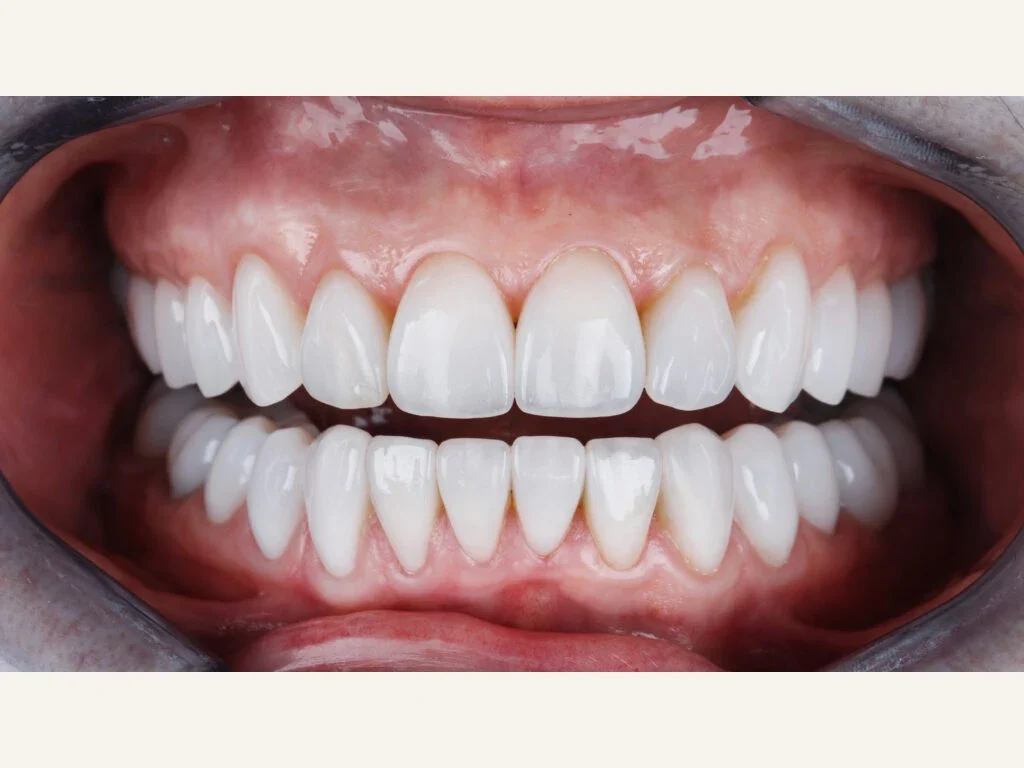
Blood-thinning medicines do not automatically prevent extraction, implant treatment or other planned dental surgery. The clinician needs to balance bleeding from the procedure with the medical risk of changing treatment. Bring the exact medication history and do not stop tablets yourself. Bleeding can often be managed locally, while interrupting necessary protection against clots can have serious consequences.
Identify the medicine before discussing surgery
Warfarin, direct oral anticoagulants such as apixaban or rivaroxaban, and antiplatelet medicines such as aspirin or clopidogrel need different assessments. Some people take combinations for a particular cardiovascular reason. The dentist needs the drug names, dosing schedule, purpose and any bleeding history. Warfarin may require a recent INR, the test used to assess its effect on clotting. That testing and timing approach does not automatically apply to a direct oral anticoagulant. Follow medicine-specific clinical instructions rather than a general rule to omit all blood thinners.
Procedure complexity changes the bleeding conversation
A straightforward extraction is not the same as multiple surgical extractions, flap surgery, grafting or a complex implant procedure. The dental team considers how readily bleeding can be controlled at the site and whether treatment can be staged. Sutures, local haemostatic measures and carefully timed appointments may be part of the plan. Medicines do not remove the need to examine the tooth, adjacent anatomy and the reason treatment is proposed. Where a replacement is elective, alternatives and the benefits of proceeding should be discussed before accepting any additional procedural risk.
Coordination with the prescriber should be proportionate
Uninterrupted anticoagulation can be particularly important with a mechanical heart valve, a recent clotting event or certain other conditions. If the dentist needs advice from the prescriber or specialist team, they should identify the question and how it affects the plan. Any adjustment needs to follow relevant guidance and your medical circumstances. Keep the agreed instructions recorded for the clinicians involved, and do not make independent changes based on a general article or booking conversation.
Prepare for the day and for local bleeding control
Follow your individual instructions for meals, medicines and travel. An earlier appointment may allow time to control bleeding and confirm that it has settled. After extraction, pressure with gauze as directed can help, but persistent or heavy bleeding needs prompt advice. Written aftercare should distinguish minor oozing from bleeding that does not settle. Check pain relief too, as some non-prescription medicines interact with antithrombotic treatment or increase bleeding risk.
Discuss sedation and associated arrangements separately
Fear of surgery, difficulty keeping the mouth open and a need for complex treatment may prompt discussion of sedation where appropriate. Sedation suitability depends on a wider medical assessment and may require separate monitoring and discharge arrangements. It does not erase bleeding considerations or make a high-risk procedure routinely suitable. If treatment will involve multiple visits or a staged implant plan, request a clear account of the timing and who is responsible for medical liaison. A written quotation should distinguish diagnostic assessment, surgery, sedation and any restorative stage.
The decision should be safe and understandable
Bring medicine packaging or an up-to-date list, relevant INR results and the contact details of the team managing your condition. Understand the procedure's bleeding risk, planned local controls and when prescriber advice would be needed. The aim is to retain necessary medical protection while providing appropriate dentistry, with the balance explained for your own procedure.
References and further reading
Book an assessment
The practices are in Hatfield and Cheshunt in Hertfordshire, and Friern Barnet in North London. For travel from Bedfordshire, Buckinghamshire or Essex, confirm the actual practice and any sites involved in later stages.
Editorially updated: 27 October 2026.
Dental treatment while taking anticoagulants
The medicine and procedure both matter
Dental care while taking an anticoagulant requires the exact medicine and the proposed procedure to be considered together. Warfarin and direct oral anticoagulants have different management pathways. Do not copy another patient's instructions or make a medication change yourself because an extraction is being discussed. [1][2]
Warfarin is not assessed like a DOAC
Warfarin management uses the INR alongside clinical assessment. SDCEP provides conditions under which treatment can proceed without interrupting it. A dose or INR instruction from a generic article does not establish that your individual circumstances meet those conditions; the dental team must check the relevant information. [1]
A higher bleeding-risk procedure may change the plan
For direct oral anticoagulants, SDCEP distinguishes lower-risk dental procedures from procedures with a higher risk of bleeding complications. Its recommendations are conditional and acknowledge limited evidence. Let the treating clinician give the medicine-specific instructions, including any timing adjustment and when normal dosing resumes. [2]
Prepare for an individual bleeding plan
Give the dentist an up-to-date medication list and tell them why the anticoagulant was prescribed. Clarify the bleeding-control measures, postoperative instructions and contact route if bleeding continues. Ask the team to coordinate with your prescribing clinician when the circumstances are complex or there is uncertainty; do not leave this until the day of surgery. [2][1]
Research and guidance
Your next step, when you’re ready
We would be pleased to welcome you for a £30 consultation at your preferred Iconic Smiles practice. Bring your questions, and we can talk through the options that may suit you.
Any additional investigations and their fees will be explained before you decide.