
Repairing your teeth
The Dahl Concept: Restoring Worn Front Teeth Conservatively
People who have gradually worn down their front teeth sometimes expect that restoring length means grinding down every back tooth or rebuilding the whole bite.
Talk through your options for repairing teeth
If you would like to understand how a tooth might be repaired or protected, a £30 consultation offers time to discuss your concerns and what an individual assessment may involve.
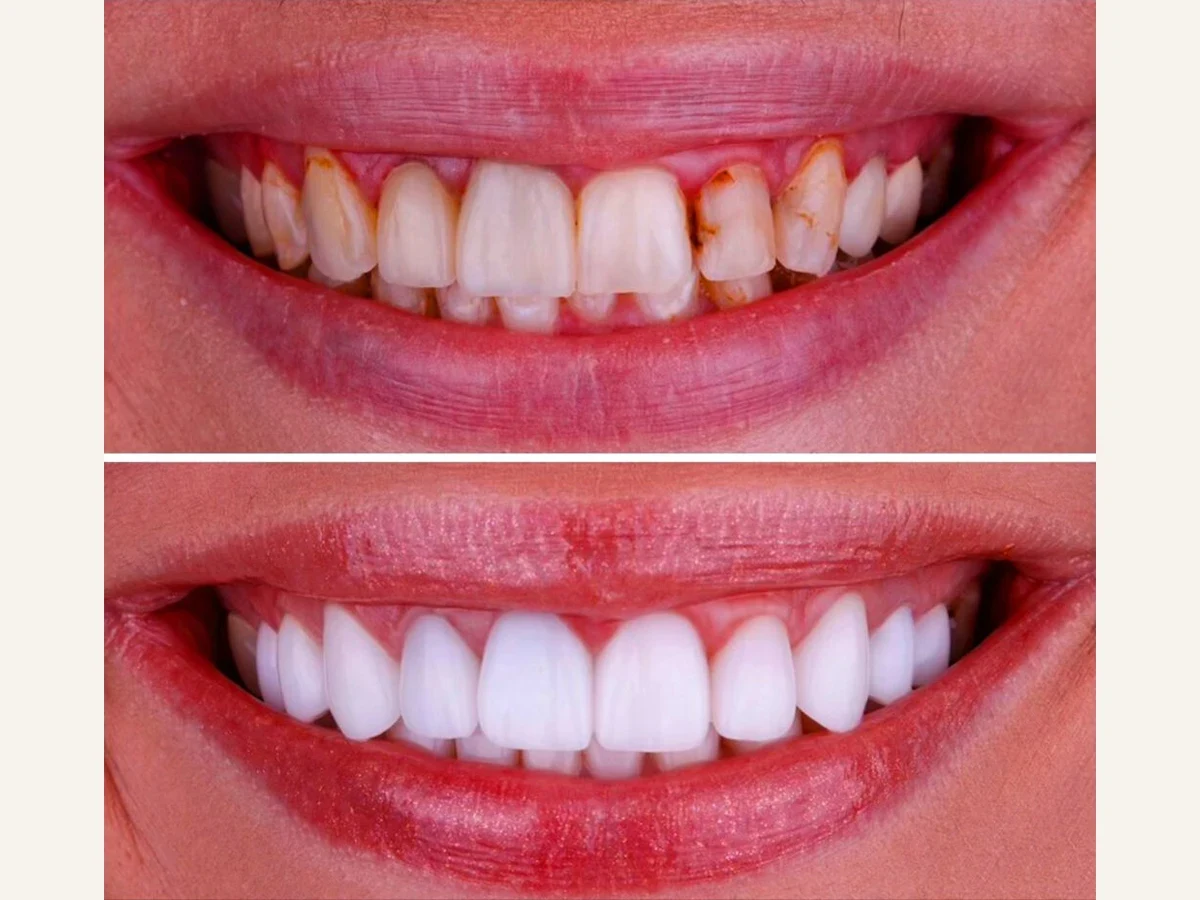
The Dahl concept is a way of creating space to rebuild selected worn teeth through a planned change in bite contacts and supervised adaptation. It may reduce the need for extensive tooth preparation in suitable cases. It is not appropriate for everyone, and the transitional bite and possible response need assessment before material is added.
Why front-tooth wear is a space problem
When enamel gradually wears away, the teeth and surrounding structures may adapt so that the upper and lower arches still meet. That can leave little space to add back the lost edge without immediately hitting the opposing teeth. If the dentist adds composite without considering this, the restorations may be exposed to heavy contacts. Alternatively, extensive tooth reduction to make room for crowns could remove more surviving tissue than necessary. The first assessment measures tooth wear, current bite contacts and the amount of restorative space needed to recover function and appearance.
How the bite may adapt
Selected restorations or an appliance can make certain teeth contact first, leaving the back teeth temporarily apart. Relative tooth movement and adaptation may then let the back contacts re-establish around the new front restorations. The mechanism and timing vary, and recovery of those contacts within a fixed number of weeks cannot be promised. Gum support, jaw relationships, stability and your ability to manage the changed bite all affect suitability.
What material might be used on the front teeth?
Direct composite can be used to add shape to worn incisors while conserving more existing tooth structure than traditional full crowns in many cases. Its reparability may be useful if ongoing wear or small edge changes occur. Indirect restorations may be considered when existing damage, anatomy or treatment aims justify them. Material selection should be connected to the bite design, remaining enamel and the pattern of wear. The patient should be shown which surfaces will carry the new contact and how the visible shape will be assessed before definitive finishing.
Diagnosis includes the cause of wear
Tooth wear may involve attrition from tooth-to-tooth contact, erosion from dietary or gastric acids, or a combination. It is important to understand the likely drivers and manage what is modifiable before rebuilding the surfaces. Photographs, scans and comparison with previous records can help establish whether wear is active. A night guard may be considered for certain patients, but a guard does not by itself stop erosive acid exposure. Restoring the visible edges without addressing the cause may create ongoing maintenance needs even when the initial appearance is attractive.
A transitional bite requires informed consent
While posterior teeth are not meeting normally, chewing can feel different. The dentist should discuss dietary adaptation, review appointments and the possibility that the planned occlusal changes may not develop as anticipated. Some patients have joint or muscle symptoms that make this approach less suitable. Others need a more comprehensive rehabilitation because wear affects many teeth, not just the front. The treatment plan should explain which contacts are expected to change and how the clinician would respond if adaptation is slow or uncomfortable.
Evaluate the whole restorative objective
A Dahl approach may preserve tissue where selected wear needs rebuilding. Compare the current wear, proposed edge shapes, material to be added and intended final contacts with suitable alternatives such as orthodontics, veneers, onlays or monitoring. The written plan should explain adaptation, review points and future maintenance. Its value lies in the benefit for your remaining teeth, with the limits made clear.
References and further reading
Book an assessment
The practices are in Hatfield and Cheshunt in Hertfordshire, and Friern Barnet in North London. For travel from Bedfordshire, Buckinghamshire or Essex, confirm the actual practice and any sites involved in later stages.
Editorially updated: 27 October 2026.
Your next step, when you’re ready
We would be pleased to welcome you for a £30 consultation at your preferred Iconic Smiles practice. Bring your questions, and we can talk through the options that may suit you.
Any additional investigations and their fees will be explained before you decide.