
Repairing your teeth
Second Premolar Tooth Loss: Assessing Bite and Available Space
Losing a second premolar does not necessarily create the same problems as losing a front tooth or a large molar.
Talk through your options for repairing teeth
If you would like to understand how a tooth might be repaired or protected, a £30 consultation offers time to discuss your concerns and what an individual assessment may involve.
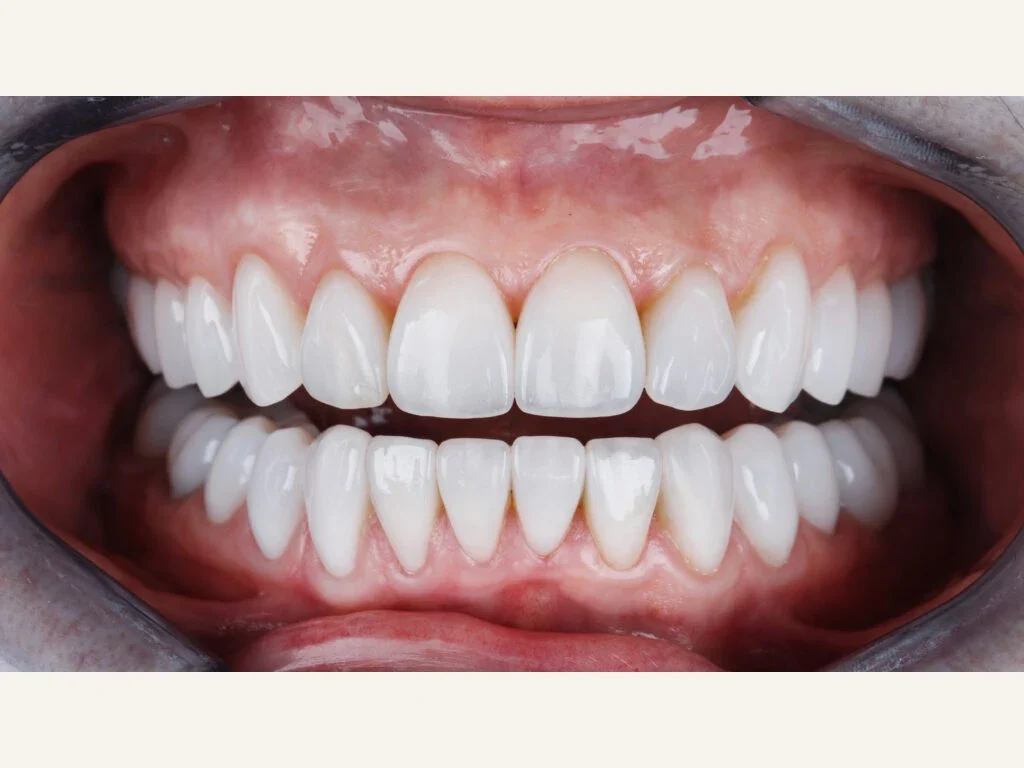
A missing second premolar may be replaced with an implant, bridge or removable tooth, or sometimes monitored if chewing and the bite remain satisfactory. The assessment checks whether the gap affects function, cleaning or smile appearance. Food trapping, changed contacts or neighbouring movement can make replacement more relevant, but treatment is not compulsory for every premolar space.
Decide whether the gap actually needs filling
The dentist should assess whether the opposing tooth is present, how it contacts the space and whether adjacent teeth are tipping. Tooth movement into the gap can reduce the room for a future replacement. In some bites, the absence of a second premolar is tolerated well; in others it contributes to chewing asymmetry or difficult cleaning. The clinician should explain the expected risks of monitoring the space rather than presenting replacement as compulsory or promising that nothing will change if treatment is deferred.
The implant option preserves neighbouring teeth
An implant-supported crown replaces the missing tooth without using adjacent natural teeth as retainers. It requires assessment of bone width and height, the position of neighbouring roots, nearby anatomical structures and gum health. If teeth have drifted, orthodontic space correction might be considered before implant placement. Bone grafting may be needed in some cases, but not all. An implant also requires ongoing cleaning and maintenance and may not be appropriate where medical or local conditions adversely affect treatment suitability.
The bridge depends on the supporting teeth
A conventional bridge may make sense when neighbouring teeth already need crowns. Preparing sound teeth solely to support one removes healthy tissue irreversibly. A resin-bonded bridge may suit selected premolar gaps, with careful assessment of chewing forces, available enamel and gum support. The artificial tooth needs cleaning space beneath it. A problem in one supporting tooth can affect the wider bridge, so their outlooks need considering together.
Temporary and removable routes
A removable partial denture may restore the space without implant surgery, but it has different effects on comfort, speech, cleaning and retention. It can also be useful during healing or while a person decides whether to proceed with a definitive option. Where the gap is not visible and chewing remains satisfactory, structured observation may be a valid alternative. A replacement should not create new bulk or an awkward contact simply because the patient feels every tooth space must be filled immediately.
Make the decision over a realistic timescale
Ask which neighbouring teeth would be changed, how stable the space is, whether additional imaging is justified and which option will be easiest to maintain. An itemised quote should distinguish implant surgery, crown fabrication, possible grafting and maintenance from the bridge or denture alternatives. The decision should reflect overall oral health, bite, preferred treatment burden and long-term care—not a universal hierarchy that an implant is always the correct solution.
Replacing a premolar is a choice, not a reflex
A long-standing lower-premolar gap with stable neighbours and comfortable chewing may reasonably be observed. Drifting teeth, an opposing tooth moving into the space or difficult cleaning can lead to a different choice. Implant planning needs root and bone assessment, while a bridge depends on its natural supports. If the gap has narrowed, compare any benefit of orthodontic space correction first. Weigh the expected benefit of replacement against the risks of leaving it, with neither outcome assumed in advance.
The treatment team should ask whether the proposed replacement will be visible in a full smile or mainly needed for chewing. This changes the balance of aesthetic demands, surgical burden and acceptable alternatives without changing the obligation to assess neighbouring teeth.
Your next step, when you’re ready
We would be pleased to welcome you for a £30 consultation at your preferred Iconic Smiles practice. Bring your questions, and we can talk through the options that may suit you.
Any additional investigations and their fees will be explained before you decide.