
Repairing your teeth
Child Chipped a Baby Tooth? What Parents Should Do First
A chipped baby tooth needs a different approach from an adult tooth. Learn first aid, injury warning signs and why permanent-tooth rules do not always apply.
Talk through your options for repairing teeth
If you would like to understand how a tooth might be repaired or protected, a £30 consultation offers time to discuss your concerns and what an individual assessment may involve.
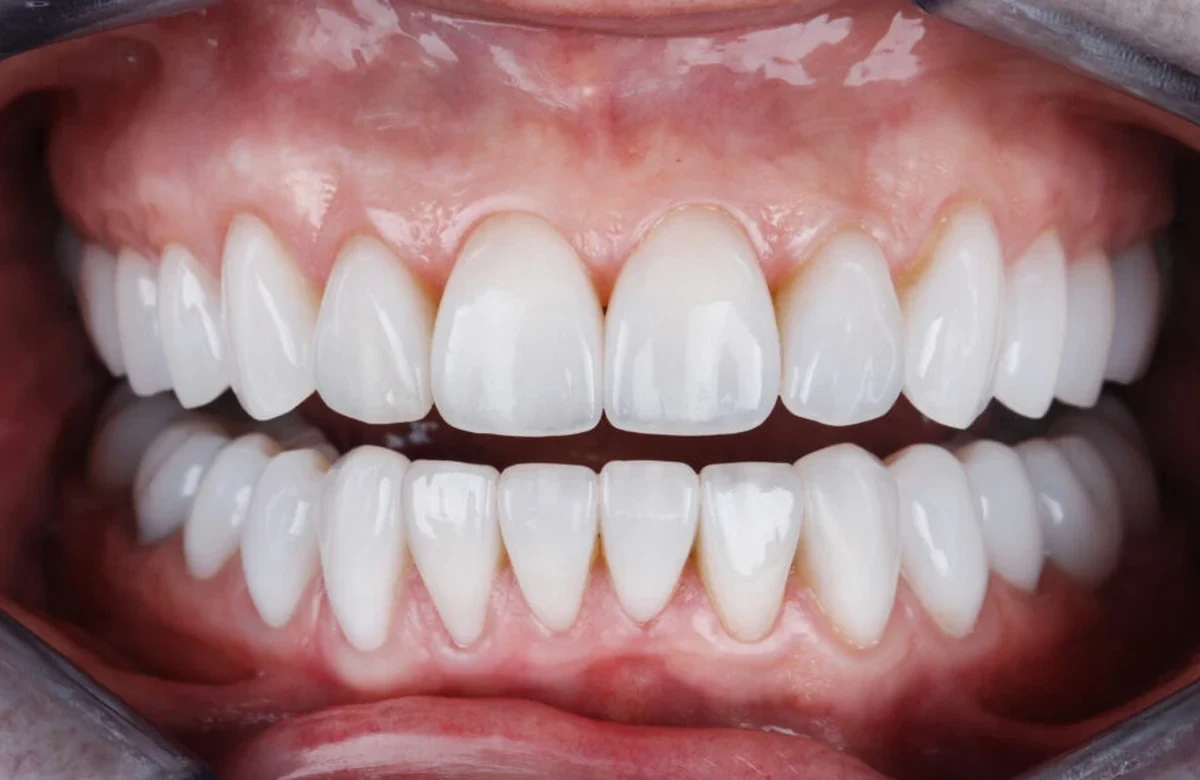
Contact a dentist for advice after a baby tooth is chipped, especially if it is loose, displaced, painful or bleeding persistently. Check the child for other injuries first and keep any tooth or fragment you find. A knocked-out baby tooth must not be put back, because this could harm the developing adult tooth.
First establish what happened
After a fall or collision, assess the whole child rather than the size of the chip alone. Check breathing, signs of head injury, whether a tooth has moved or loosened and whether a fragment may be embedded in the lip. Settling discomfort does not exclude an injury needing care. Loss of consciousness, repeated vomiting, breathing difficulty or other significant trauma requires emergency medical advice before attention turns to the tooth.
Baby teeth must not be managed like knocked-out adult teeth
Baby and permanent teeth have separate trauma guidance because the developing adult tooth lies close to the baby root. Never put a knocked-out baby tooth back into its socket: doing so risks damage to that developing tooth. A knocked-out permanent tooth needs different, time-sensitive handling. If you are unsure which type was lost, seek urgent dental advice and give the child's age and tooth location. Keep any recovered tooth or fragment, and a photograph if easily obtained, without delaying care.
A simple chip and a deep break look different
A small enamel chip may have only a sharp edge that can be gently polished by a dentist. A larger fracture involving dentine can produce sensitivity, and one that exposes the pulp may need more involved treatment. The amount of visible tooth loss does not always reveal root damage or whether the tooth has been pushed into the gum. An assessment may include examination of the soft tissues, bite and mobility, with an X-ray only when it will help management. Professional advice can also cover whether a fragment embedded in the lip needs investigation. Avoid probing the break or attempting to glue a fragment onto a young child's tooth at home.
Helping a child in the first few hours
Comfort the child, gently rinse visible dirt away with clean water and use a clean cloth or gauze with gentle pressure for bleeding. A cold compress against the outside of the lip may help swelling. Offer soft foods and avoid encouraging the child to bite into hard food with the injured tooth. Give age-appropriate pain relief only in line with the product instructions or a professional's advice. Do not put aspirin directly onto gums. If the tooth is very loose, displaced, painful or accompanied by persistent bleeding, contact an urgent dental service. For severe injuries, seek same-day assessment even if the child appears comfortable.
The developing adult tooth changes follow-up
Baby-tooth trauma can sometimes affect the adult tooth developing underneath, particularly with intrusion or displacement injuries. That does not mean every chipped primary incisor will harm its successor. The treating dentist may recommend observation of the tooth, its colour and any signs of infection or changes in position. A grey colour change can occur after trauma; its significance depends on other symptoms and findings. A persistent gum swelling or small draining spot warrants review. Parents should ask what symptoms to watch, when to return and whether any longer-term monitoring is advised as the permanent tooth develops.
What if the tooth looks fine tomorrow?
Even if the tooth seems comfortable the next day, follow the recommended reviews. Supporting tissues or the lip may be injured, and some problems become apparent later. Record when and how the injury happened and help with gentle cleaning using a soft brush. Refusal of fluids, increasing pain, swelling, fever or a changed bite needs assessment. For a toddler, the approach should suit cooperation and the safety of examination, with invasive treatment considered only when appropriate.
Prevention without blaming the child
Keep urgent-contact details available and explain to other carers that first aid differs for baby and adult teeth. A record of the injury and follow-up plan can help if care is needed on holiday or after a move. For suitable organised sports, discuss protection for the child's age and teeth. The priorities are to assess the whole injury, protect the developing tooth and choose conservative care where clinically appropriate.
Sources and professional guidance
Applying the information:
Treatment options · Our practices · Fees and finance
Avulsed baby teeth: why reimplantation is unsuitable
The immediate rule is different from an adult tooth
Do not put a knocked-out baby tooth back into the socket. The NHS explains that this could damage the permanent tooth developing beneath it. Reimplantation advice for a permanent tooth must not be transferred to the primary dentition. [1]
A missing baby tooth still needs urgent assessment
Ask for an emergency dental appointment after a tooth is knocked out, even if you cannot find it. Tell the team the child's age, the site of the injury and whether you are certain it was a baby tooth. Do not delay contacting the dentist while trying to make the gap look normal. [1]
Primary injuries have their own follow-up needs
The IADT guideline provides a separate approach for injuries in primary teeth. The clinician should explain the findings, the care required and any follow-up after the injury. The absence of a need to reimplant does not establish that no further dental care is needed. [2]
Do not guess when the tooth type is unclear
Children can have a mixture of baby and permanent teeth. Tell the emergency service if you do not know which tooth was lost, so advice can be tailored promptly. NHS 111 can help you find urgent dental assessment if the usual practice cannot see the child. [1]
Trauma to a primary front tooth
A baby tooth needs a different approach
Trauma to a primary tooth cannot simply be managed as an injury to a permanent tooth. IADT guidance specifically separates primary-dentition injuries because treatment considerations differ. Tell the dental team the child's age, what happened and whether a tooth is displaced, broken, missing or painful. [1]
An examination checks more than the visible chip
A primary-tooth injury requires diagnosis and follow-up suited to that injury. The dental team needs to distinguish different forms of trauma and consider the developing dentition. A photograph cannot establish the full injury or replace the assessment when a tooth has moved or disappeared. [1]
Research and guidance
Your next step, when you’re ready
We would be pleased to welcome you for a £30 consultation at your preferred Iconic Smiles practice. Bring your questions, and we can talk through the options that may suit you.
Any additional investigations and their fees will be explained before you decide.