
Repairing your teeth
Full-Mouth Rehabilitation: Why Treatment Sequencing Matters
When you are considering more extensive dental work, the order matters. Find out why the health of your teeth and gums comes before final restorations.
Talk through your options for repairing teeth
If you would like to understand how a tooth might be repaired or protected, a £30 consultation offers time to discuss your concerns and what an individual assessment may involve.
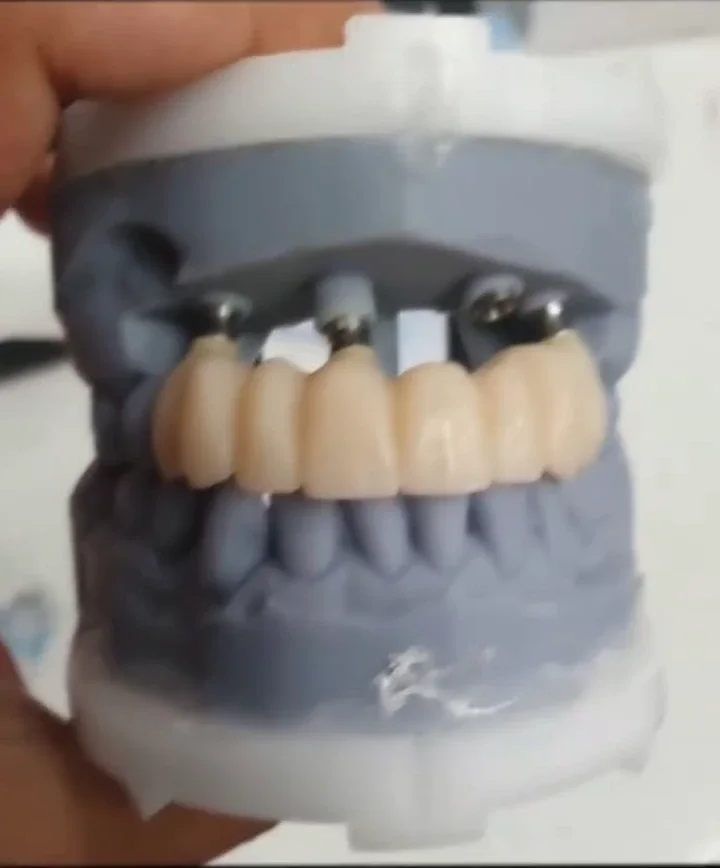
Full-mouth rehabilitation brings several treatments into one plan to restore function and appearance while preserving healthy teeth where possible. It may combine gum care, orthodontics, selected restorations, implants, dentures and changes to the bite. The sequence depends on what needs priority, what can be monitored and how the proposed work can be maintained. It is not one standard cosmetic package.
Establish the real starting position
Before treatment, the dentist records tooth prognosis, decay risk, periodontal status, existing restorations, missing-tooth spaces and the bite. Photographs and appropriate radiographs help define the anatomy and any disease requiring attention. A patient with extensive tooth wear may still have stable function, whereas someone with fewer visibly damaged teeth may have active gum disease requiring priority care. The aim is to distinguish biological urgency from elective appearance goals.
Stabilise before rebuilding
Active gum inflammation, untreated decay and other diagnosed problems can undermine expensive definitive restorations. Stabilisation may involve preventive care, gum disease treatment and selected temporary or interim restorations. This phase also reveals how reliably the patient can maintain new work. It is different from leaving someone with an unfinished smile indefinitely; the team should explain what is being stabilised and what would demonstrate readiness for the next stage.
Design the intended final bite
When many teeth will change, their front edges, available space and contacts need to be considered together through jaw movements. Models mounted to reproduce the bite, scans or temporary mock-ups may help. The plan needs a reason for any increase in bite height and a clear relationship between existing and new restorations. Agreeing this before irreversible treatment helps avoid inconsistent contacts from replacing teeth independently.
Decide where orthodontics belongs
Moving teeth can sometimes improve restorative space or reduce how much preparation is needed for veneers and crowns. It can also upright teeth next to missing spaces before implant planning. In other cases the tooth position is already acceptable and orthodontics adds little value. The team should determine the optimal sequence through shared planning, particularly because integrated implants do not later move with neighbouring teeth.
Use staged restorations to test decisions
A diagnostic mock-up, provisional crown set or selective additive composite can help evaluate the appearance and function of a planned change. The provisional stage is an opportunity to adjust speech, bite contacts and tooth proportions before committing to ceramics. Patients should know which parts are temporary and what information the team hopes to learn. A stage that tests uncertain design choices can protect against extensive irreversible corrections later.
Put maintenance into the original proposal
A comprehensive quote should distinguish prevention, surgery, provisional treatment, definitive restorations, retainer or splint arrangements and ongoing reviews. Different materials have different repair profiles and cleaning demands. A beautiful rehabilitation that cannot be cleaned or reviewed predictably is an incomplete design. Ask which teeth are being preserved, why each irreversible step is needed and how future treatment options will be protected if circumstances change.
A multidisciplinary example of the correct sequence
For example, someone with crowded lower front teeth and missing back teeth may want brighter, longer upper teeth. Fitting veneers first could leave contacts that later orthodontic or implant work changes. The team might instead stabilise gum health and decay risk, agree a proposed bite, then consider alignment and replacements before the final front ceramics. The exact sequence varies, and an interim removable appliance may help maintain function during planning. Records should distinguish teeth with a favourable long-term outlook from optional cosmetic changes. A staged estimate should explain irreversible steps, reversible trials and costs that depend on earlier findings. What matters is how the decisions work together.
Your next step, when you’re ready
We would be pleased to welcome you for a £30 consultation at your preferred Iconic Smiles practice. Bring your questions, and we can talk through the options that may suit you.
Any additional investigations and their fees will be explained before you decide.