
Repairing your teeth
How Long Do Dental Crowns Last? What Affects Them?
Dental crowns are designed for long-term function, but none has a guaranteed lifetime.
Talk through your options for repairing teeth
If you would like to understand how a tooth might be repaired or protected, a £30 consultation offers time to discuss your concerns and what an individual assessment may involve.
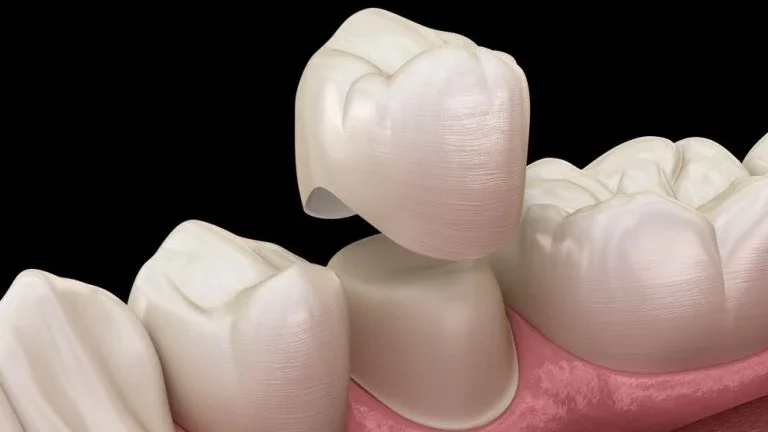
A dental crown can provide long-term service, but there is no guaranteed lifespan for an individual tooth. The foundation, preparation, material, fit, bite, cleaning and maintenance all matter. A problem may involve the crown itself or the tooth and gums supporting it, which need different assessment.
What affects crown longevity
A crown on a sound tooth with good support differs from a crown placed on a heavily restored, root-treated or cracked tooth. Margin quality, available tooth height, bonding or cementation, moisture control and opposing contacts matter. Grinding, frequent acid exposure and recurrent decay risk can shorten service life even when the original restoration was well made.
Different types of failure
A crown can chip, wear, loosen, debond or fracture. Decay can develop at its margin because the natural tooth beneath remains susceptible. The underlying tooth may develop symptoms, a crack or an endodontic problem. A change in gum levels can expose an edge without necessarily meaning that the crown itself is loose or defective.
When repair is possible
A small localised chip or some marginal problems may be manageable without replacing the entire crown, depending on material and clinical findings. A loose crown should be assessed rather than routinely glued back at home: hidden decay or tooth fracture could make reseating unsafe. A severely damaged tooth may need a new restoration, further treatment or extraction.
Maintenance that matters
Clean the crown and its gum margin daily, using appropriate interdental aids for the spaces present. Attend risk-based examinations and report food trapping, bleeding, a bad taste or movement. Where grinding is relevant, a suitable protective appliance may be discussed, but it will not prevent decay or all biological complications.
Aesthetic changes are different from failure
Natural neighbouring teeth can change shade, and gum contours can alter over time. A sound older crown may look different without needing removal. Conversely, an apparently beautiful restoration can have an active problem underneath. Cosmetic replacement should be weighed against additional preparation and the risks of disturbing the supporting tooth.
Questions when your crown is being replaced
If a crown needs attention, understand the cause, whether the tooth can still be restored and whether a repair is suitable. A replacement design should address the relevant findings. For an implant crown, component and implant checks differ from assessment of a crown supported by a natural tooth.
Longevity depends on what the crown protects
A crown covering a heavily damaged molar faces different forces from a crown on a front tooth used mainly for appearance. The condition of the underlying tooth, quality of the fit, gum health and chewing pattern all influence its life. Materials differ in strength, aesthetics and the thickness needed, but no material makes the tooth beneath it immune to decay or fracture. Asking for a universal lifespan can be misleading: the relevant question is how much healthy tooth remains and what design offers the best balance of protection and preservation.
Why teeth are crowned in the first place
Large old fillings, fractures, heavy wear or root treatment sometimes leave too little reliable tooth structure for a simple repair. A crown may cover and protect remaining tissue, although an onlay or bonded restoration might achieve the same goal with less preparation in selected cases. Other teeth do not need a crown at all. The dentist should explain whether the proposal addresses structural weakness, appearance, bite changes or more than one concern. That purpose determines the preparation, material and expected maintenance requirements.
What usually makes a crown fail?
Decay at a margin can undermine a crown even if the ceramic itself is intact. Gum recession may expose the edge or change the visible appearance. Heavy grinding may chip ceramic or damage the underlying tooth, while loosening can relate to bonding, tooth geometry or changes in the foundation. A crown that looks slightly darker than its neighbours is not necessarily diseased. An examination should distinguish a repairable surface defect, a loose restoration and a problem that threatens the tooth itself before replacement is recommended.
Judge the proposed replacement against alternatives
A sound crown with a minor appearance concern may suit polishing, a selected adjustment or monitoring. Where it has failed, decay, cracks and remaining tooth height need investigation before replacement. Options can include an onlay, full coverage or extraction when the tooth cannot be maintained. Compare further tooth reduction, included fees and whether a guard or contact adjustment is appropriate. Continuing care matters more than a promised number of years.
Further clinical details: How long can a new dental crown last? Materials and maintenance
A new crown's lifespan depends on several factors, including the tooth underneath, the bite and future care. Discuss these with your dentist while considering a crown or an alternative restoration.
There is no single expiry date for a crown
A new crown may work well for years, but there is no fixed replacement date that applies to every crown. The tooth underneath and surrounding gums need reviews too. A crown can stay in place while needing attention, which is why research distinguishes survival from freedom from further treatment. [1]
What a recent review found
A 2026 systematic review of tooth-supported single crowns reported pooled five-year survival estimates ranging from 90.4% to 98.5% across the material and design categories studied. These are group estimates, not an individual lifespan or an audited Iconic Smiles result. They concern single crowns on natural teeth and should not be substituted for implant-crown or multi-unit bridge outcomes. [1]
Material choice is only part of the decision
The review considered different ceramic designs as well as metal-ceramic crowns, including their complications. Ask why the recommended design suits the tooth and function. Selecting the group with the highest pooled estimate does not establish a causal advantage for every patient, since the studies and clinical situations differ. Appearance, preparation and the underlying tooth still need discussion. [1]
The natural tooth still needs care
A crown covers a prepared natural tooth; it does not replace the need to assess the remaining tooth and its tissues. If root-canal treatment or another underlying problem is involved, the clinical plan needs to address that too. A satisfactory visible surface should not be treated as proof that every aspect of the tooth is healthy. [2][3]
Report a new symptom or change in fit
Before choosing a crown, know whom to contact if it later chips, moves, hurts on biting or feels persistently different. The team needs to distinguish the crown, its attachment and the tooth beneath. Do not use household glue. A new symptom needs assessment, while age alone does not necessarily justify replacing an intact crown.
Agree maintenance and the response to a local problem
Ask about cleaning, review intervals and which findings would justify repair, recementation, replacement or treatment of the tooth. Keep the original material and treatment details where available. The useful aim is continued function and a maintainable tooth, supported by appropriate reviews, rather than a promise that any crown will last indefinitely.
Research and guidance
- A Systematic Review and Meta-analysis Evaluating the Survival, Failure, and Complication Rates of Metal-Ceramic, Veneered, and Monolithic All-Ceramic Tooth-Supported Single Crowns-Part 1.
- Dental treatments — NHS
- Treatment of pulpal and apical disease: The European Society of Endodontology (ESE) S3-level clinical practice guideline.
Your next step, when you’re ready
We would be pleased to welcome you for a £30 consultation at your preferred Iconic Smiles practice. Bring your questions, and we can talk through the options that may suit you.
Any additional investigations and their fees will be explained before you decide.