
Repairing your teeth
Pressed vs Milled Ceramic Crowns: What Matters?
Patients often hear that a new crown will be 'digitally milled', 'pressed', or made using E.max, as though the production method itself determines quality.
Talk through your options for repairing teeth
If you would like to understand how a tooth might be repaired or protected, a £30 consultation offers time to discuss your concerns and what an individual assessment may involve.
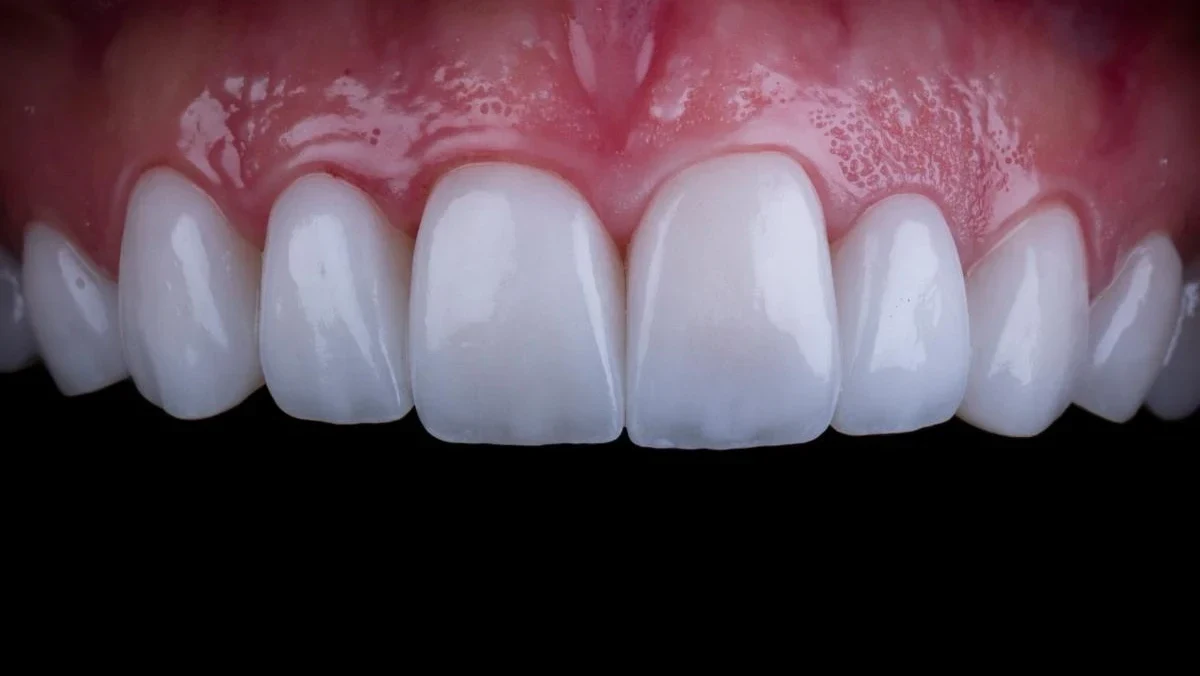
Pressed and milled ceramic crowns can both be appropriate. The better comparison is the proposed fit, protection of the remaining tooth, bite and maintainable appearance. Manufacture is one part of that plan, alongside suitable preparation, material and laboratory standards; a digital or pressed label alone cannot establish quality.
What pressing involves
For pressing, the technician makes a wax or resin pattern and a heat-resistant mould, then forms the ceramic with a specialised press. Contacts, margins, shape and finish are refined afterwards. The method can use lithium disilicate and selected other ceramics. Accurate records and a clear prescription are still needed, and pressing itself does not establish greater strength than milling.
What CAD-CAM milling changes
Computer-aided design and manufacture, or CAD-CAM, starts with a scan or digitised model. Software defines the margins, contacts and chewing surface before a machine mills a ceramic block. Depending on the material, heating stages such as crystallisation or sintering, followed by staining, glazing or polishing, may be needed. Digital steps can improve repeatability, but unclear margins, insufficient material space or an inaccurate bite record still affect the result.
The preparation still determines what can be made
Ceramics need an appropriate thickness and design for their location. A thin corner of restorative material may behave differently from a well-supported surface, particularly on a molar receiving substantial chewing loads. The dentist must decide which cusps require coverage, where margins should lie and how much sound tooth should be preserved. A milled restoration is not necessarily tooth-conserving merely because a scanner was used. A pressed veneer is not automatically conservative merely because the result is called thin. Preparation design remains central in both workflows.
Marginal fit and contact quality are not brochure features
A crown must seat predictably on the prepared tooth and form appropriate contacts with neighbouring teeth. A contact that is too light can encourage food trapping; excessive tightness can interfere with seating. The margin must be examined for adaptation, and the shape near the gum should permit effective cleaning. Some adjustment is normal at the try-in appointment, but the dental team should not rely on extensive chairside grinding to rescue an unsuitable design. When adjustments are required, correct surface polishing is important for the opposing teeth and long-term finish.
Aesthetic results depend on more than the base material
Front-tooth appearance includes depth, translucency, markings, texture and colour gradients. A technician can develop those effects in pressed or milled work, using the underlying tooth shade and intended cement where relevant. Back teeth have different demands for strength, contacts and cleaning. The material and process should suit that location and your clinical findings, alongside the appearance you want.
Ask for the completed clinical workflow
A useful quote clarifies whether a digital scan, laboratory crown, temporary restoration, fit appointment and review are included. Request an explanation of what happens if the appearance or fit needs changing before final cementation. The dentist should also discuss remaining tooth strength, any core build-up and maintenance. An excellent crown is a chain of decisions: diagnosis, preparation, accurate records, appropriate material, manufacturing, fitting and care. Comparing that complete chain is more informative than comparing the words 'pressed' and 'milled'.
References and further reading
Book an assessment
The practices are in Hatfield and Cheshunt in Hertfordshire, and Friern Barnet in North London. For travel from Bedfordshire, Buckinghamshire or Essex, confirm the actual practice and any sites involved in later stages.
Editorially updated: 27 October 2026.
Your next step, when you’re ready
We would be pleased to welcome you for a £30 consultation at your preferred Iconic Smiles practice. Bring your questions, and we can talk through the options that may suit you.
Any additional investigations and their fees will be explained before you decide.