
Dental implants — replacing missing teeth
Lower Denture Stability: When to Consider Implant Retention
A lower denture has limited natural suction and may benefit from carefully chosen attachments, but supporting tissues and manual cleaning still matter.
Explore your tooth replacement options
If you are considering replacing a tooth or several teeth, a £30 consultation gives you a chance to explain what matters most, ask questions and explore the options with our team.
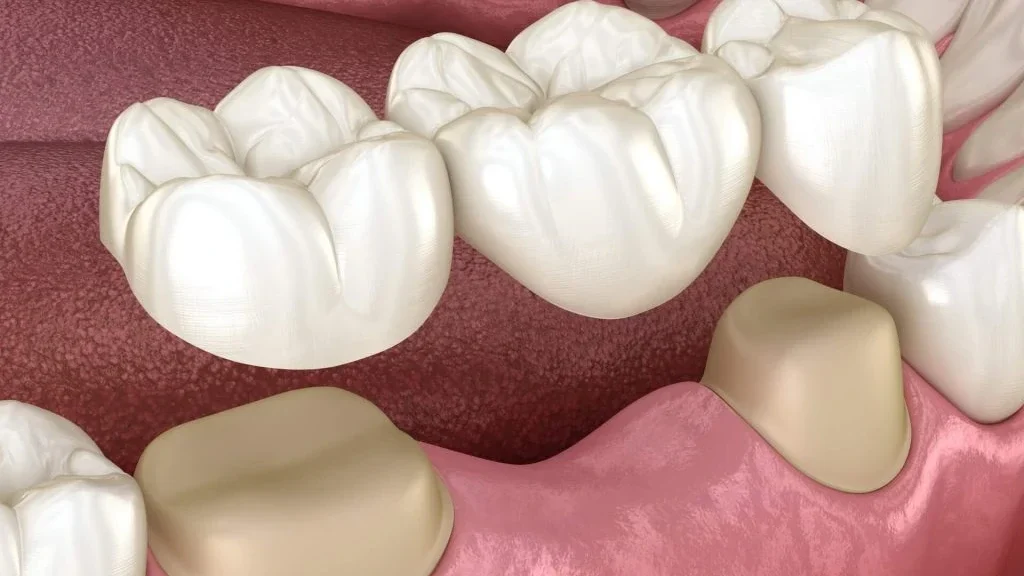
Implant retention may help selected lower dentures stay in place, but a new conventional design can also be worth comparing. The lower jaw offers limited natural suction. Any implant option needs assessment of bone, tissues and how you will remove and clean the denture.
Conventional dentures, relines and implant options
Depending on remaining teeth and tissue health, options may include a new full or partial denture, repair, relining, monitoring, a suitable bridge or implants. Compare conventional lower-denture design with two-implant retention and any fixed option after medical and bone assessment.
Illustrative example:
For example, a lower denture may continue to lift during meals despite previous relines. The cause needs reassessing before another change is chosen.
Attachments need cleaning and servicing
Two appropriately positioned implants can improve retention for selected lower overdentures. Bone and tissue suitability must be assessed, and the attachment inserts will need servicing over time. Practise removal and consider hand dexterity and cleaning access as well as the expected grip.
Further reading (background sources)
- NHS: dental treatment information — background reading
- — background reading
Your next step
Areas we serve: Hertfordshire · Bedfordshire · Buckinghamshire · Essex. Our actual clinics are in Hatfield, Cheshunt and Friern Barnet; Bedfordshire, Buckinghamshire and Essex are patient catchment areas, not additional clinic sites.
How to compare the options
A comparison should show which source of movement each design addresses and what continuing care it needs.
- Is the movement mainly due to fit, the bite or the limits of the supporting ridge?
- What improvement could a new conventional denture offer compared with implants?
- Could I remove and clean the proposed appliance, and how would its attachments be serviced?
Agree the expected benefit and remaining limits of the chosen design. Include suitability findings, alternatives, cleaning and future servicing in the written plan before treatment.
Your next step, when you’re ready
We would be pleased to welcome you for a £30 consultation at your preferred Iconic Smiles practice. Bring your questions, and we can talk through the options that may suit you.
Any additional investigations and their fees will be explained before you decide.