
Repairing your teeth
Managing dental care in people with diabetes
If you have diabetes, tell your dentist about your medicines and current diabetes care so they can plan gum assessment and treatment with you. Ask what any bleeding or changes in tooth support mean and what cleaning and reviews would help. Dental and medical care can support each other.
What should I tell my dentist if I have diabetes?
- Share your current medicines, any relevant glucose-control information and whether you have experienced problems with healing or frequent infections. Diabetes does not automatically prevent routine dental treatment.
- The team may need to consider meal timing, gum health and the complexity of a planned procedure. Do not change prescribed medication or skip food without individual advice.
- Ask which preventive care and review schedule will protect your gums and teeth, and how any proposed surgery will be coordinated with your wider health needs.
Talk through your options for repairing teeth
If you would like to understand how a tooth might be repaired or protected, a £30 consultation offers time to discuss your concerns and what an individual assessment may involve.
For broader context on this question, read Dental hygiene or deep cleaning: which appointment might you need? and How Often Should You Visit the Dentist? Understanding Individual Risk.
Why gum health belongs in diabetes care
If you have diabetes, preventing and treating gum disease is an important part of looking after your mouth. Diabetes and periodontitis, the form of gum disease that damages the supporting tissues, are linked in both directions. Bleeding gums do not diagnose diabetes, however, and dental care works alongside medical treatment rather than replacing it. [1]
Connect the dental and medical histories
Bring details of your diabetes treatment, prescribed medicines, relevant complications and any recent health changes. If a detail is missing, it is better to say so than guess. The EFP/WONCA consensus supports dental professionals and family doctors working together when caring for people with gum disease and conditions affecting their wider health. [2]
Discuss the actual periodontal findings
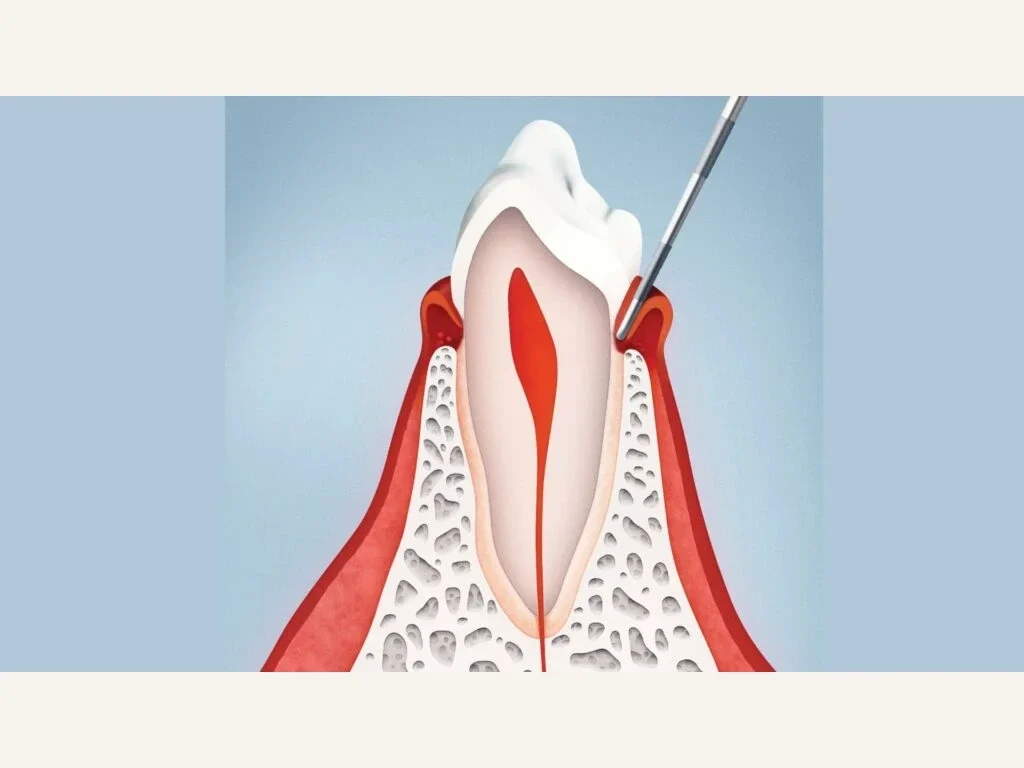
The dental assessment establishes whether the tissues supporting your teeth are diseased and what treatment they need. Gum measurements, relevant X-rays and later reviews help guide that care. The findings and your individual risk should determine the plan, rather than a fixed hygiene interval applied to everyone with diabetes. [1][3]
Keep the claims proportionate
Research on links between gum disease and other health conditions cannot predict your individual healing or support a promise that dentistry will cure diabetes. Agree how the dental and medical teams will coordinate care and whom to contact if symptoms or treatment needs change. Continue your medical treatment as instructed by the prescribing team. [2][1]
Research and guidance
- European Federation of Periodontology: gum disease and diabetes
- Association between periodontal diseases and cardiovascular diseases, diabetes and respiratory diseases: Consensus report of the Joint Workshop by the European Federation of Periodontology (EFP) and the European arm of the World Organization of Family Doctors (WONCA Europe).
- Treatment of stage I-III periodontitis-The EFP S3 level clinical practice guideline.
Your next step, when you’re ready
We would be pleased to welcome you for a £30 consultation at your preferred Iconic Smiles practice. Bring your questions, and we can talk through the options that may suit you.
Any additional investigations and their fees will be explained before you decide.