
Repairing your teeth
Matching one veneer, tetracycline staining and opaque restorations
Matching a single front veneer can be harder than matching several because natural teeth have varying translucency, surface texture and colour from the gum to the edge.
Talk through your options for repairing teeth
If you would like to understand how a tooth might be repaired or protected, a £30 consultation offers time to discuss your concerns and what an individual assessment may involve.
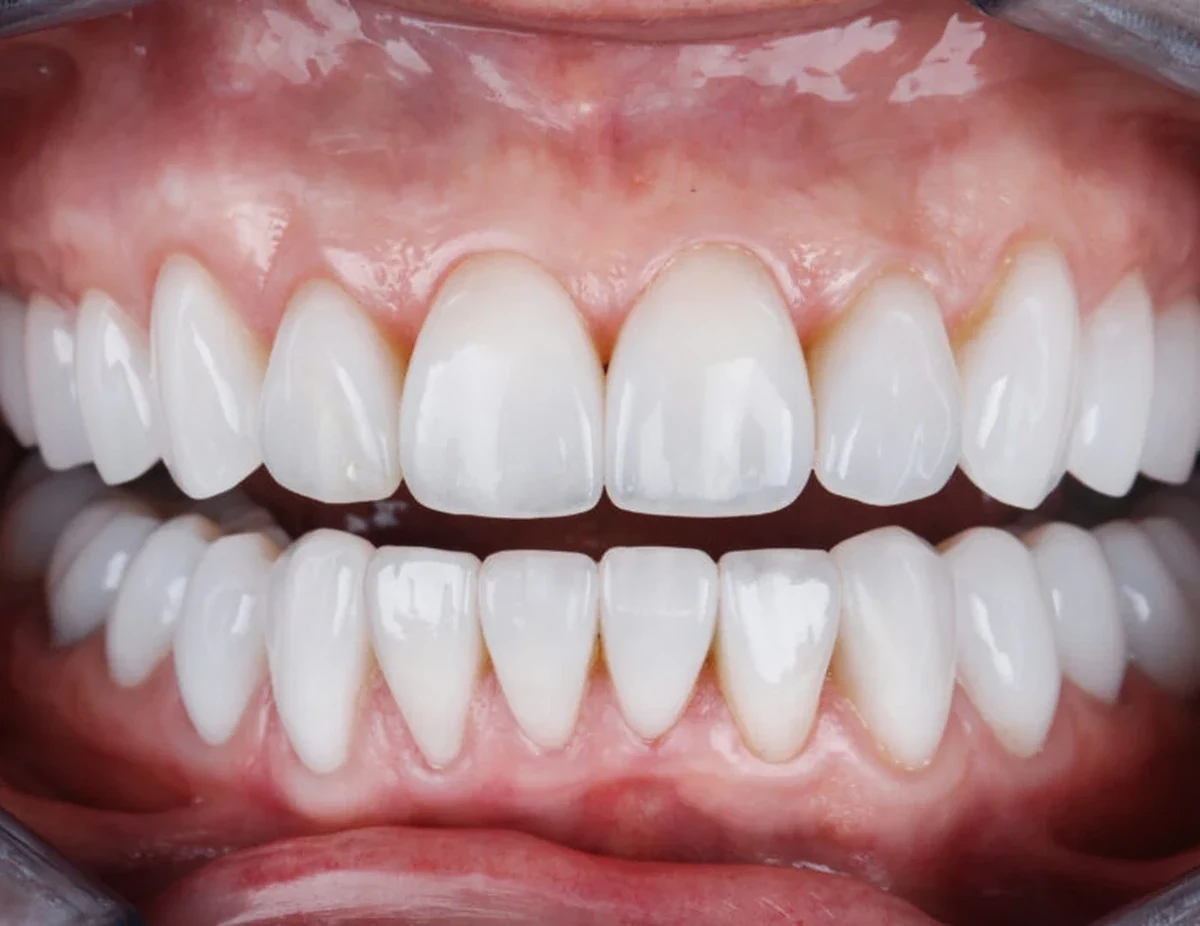
A single veneer can be matched to nearby teeth, although a seamless result cannot be guaranteed. Natural teeth vary in colour, translucency and texture from gum to edge, making one front restoration particularly demanding. Deep staining, including tetracycline discolouration, can require stronger masking; the trade-off is that a more opaque ceramic may look flatter beside natural enamel.
Can a Single Veneer Match Neighbouring Natural Teeth?
The dentist and laboratory record tooth anatomy, colour under appropriate varied lighting, translucency and surface features. Shade-reference photographs and sometimes a provisional stage help communicate the target, including brightness, white markings and internal effects. Composite repair may be an alternative in some cases. If whitening neighbouring natural teeth is appropriate, plan it before settling the final shade. Simulations cannot guarantee the match in everyday light, so understand the try-in and shade-approval stages before permanent bonding.
Can veneers hide grey tetracycline tooth staining?
Tetracycline-related staining can be deep, grey and uneven. The assessment considers its severity, enamel quality and whether whitening gives a useful improvement, with results that can be unpredictable. A thin translucent veneer may leave the tooth looking grey if it does not mask enough. More opaque ceramic or composite can conceal colour, sometimes with more preparation, but may lose natural depth. Trial shades and staged planning help you compare these compromises and agree a realistic balance between brightness and a natural appearance.
Why a porcelain restoration can look too opaque
An opaque appearance may reflect the ceramic, its thickness, the underlying tooth, preparation depth or masking cement. The plan needs to consider them together with surface texture and the neighbouring teeth, rather than attribute the result to a shade choice alone. Layered ceramic and careful cement selection may help balance masking and edge translucency. Extra cement or thicker porcelain does not always solve the problem. Where feasible, a trial before final bonding lets you judge whether uniform colour or greater natural depth matters more to you.
How the match changes between lighting conditions
For example, a restoration that looks close in one light may stand out beside its untreated neighbour in daylight. The gum-side shade, white markings, texture and translucent edge all affect that comparison. A try-in gives you and the clinician an opportunity to discuss the balance before accepting the final result.
What the laboratory needs to reproduce
The laboratory may need several shades and effects for one tooth: a translucent biting edge, a more opaque centre and a warmer third beside the gum. Photographs with appropriate references help reproduce those differences. If masking a very dark tooth requires greater opacity, the limitation should be clear before the final shade is agreed.
Agreeing the shade target and trial
Before choosing treatment, understand the expected match, how it will be assessed and whether whitening natural teeth first would change the target. A very bright veneer is not automatically more natural-looking or longer-lasting. Careful records and communication help set a realistic shared goal.
Sources for further reading
Your next step, when you’re ready
We would be pleased to welcome you for a £30 consultation at your preferred Iconic Smiles practice. Bring your questions, and we can talk through the options that may suit you.
Any additional investigations and their fees will be explained before you decide.