
Repairing your teeth
NHS vs Private Dentistry in England: Treatment Options and Costs
NHS dentistry in England provides clinically necessary care according to the applicable service arrangements, while private care may offer different appointment, material or elective options.
Talk through your options for repairing teeth
If you would like to understand how a tooth might be repaired or protected, a £30 consultation offers time to discuss your concerns and what an individual assessment may involve.
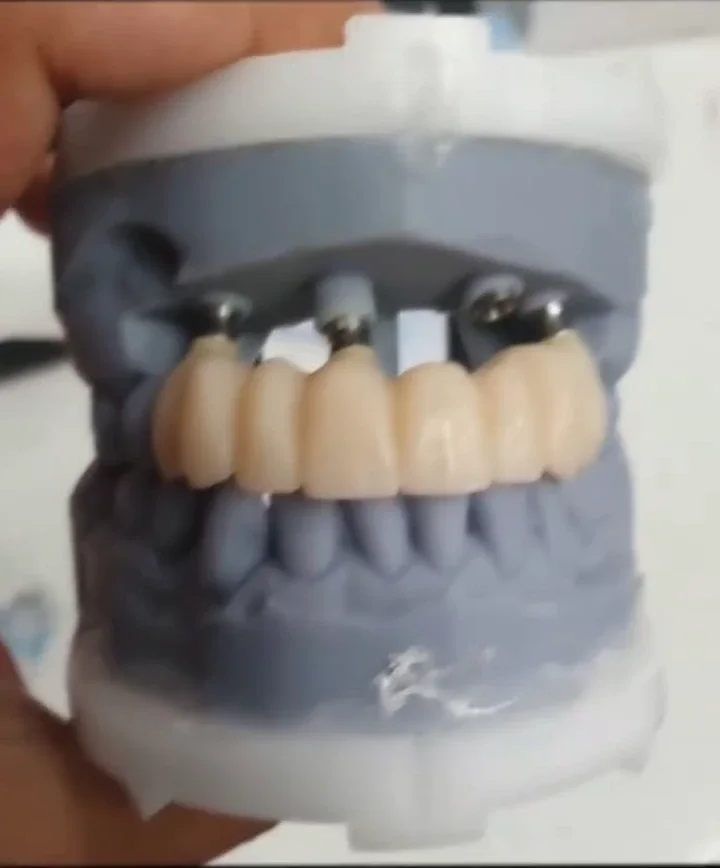
NHS dental care in England covers clinically necessary treatment under the applicable service arrangements; private care can include different materials or elective choices. At a mixed practice, you should be told which suitable options are available through each pathway, what they cost and why they are recommended. A private alternative should not be presented as a requirement for receiving necessary NHS care.
Start with clinical need and eligibility
NHS dental care is intended to maintain oral health, including examinations and necessary treatment, subject to service access and the regulations in force. Cosmetic procedures that are not clinically necessary are commonly private. A private option should be identified clearly as such; treatment suitability still depends on an individual examination.
How NHS charging works
NHS dental charges in England use bands for courses of treatment, with separate urgent or unscheduled-care arrangements. Eligible patients may be exempt or receive help with costs. Charges can change, so check current NHS or NHSBSA information and the practice's estimate before treatment. You normally pay the appropriate charge for the NHS course rather than a separate private fee for each appointment.
The treatment plan should be transparent
For Band 2, Band 3 or a mixture of NHS and private care, the NHS requires a treatment plan showing the proposed work and costs. It should clearly identify NHS and private procedures and record agreed changes. The clinician also needs to explain suitable alternatives and their implications for prognosis and maintenance.
Materials and elective choices
Different restorative designs or aesthetic materials can be considered, but an NHS patient must not be misled into believing clinically necessary treatment is unavailable merely because a private alternative exists. An honest comparison explains the specific clinical and elective difference, patient preference and associated cost rather than presenting NHS treatment as inherently poor quality.
Urgent care does not necessarily create ongoing capacity
An unscheduled dental episode addresses an immediate need and can require a separate future routine or definitive pathway. Practices should make any access limitation explicit before booking. Patients should not infer that an emergency appointment confirms acceptance for unlimited routine NHS care; equally, triage should be clear about how necessary urgent treatment can be accessed.
Five useful questions
Before choosing, establish what is clinically needed, which suitable option is available on the NHS at the practice and what the written plan and total charges cover. Include follow-up and continuing care in the discussion. The answers help you compare the actual options for your tooth, rather than assume either funding route is always better.
Compare the actual course of care, not the labels NHS and private
For example, a private cosmetic option may offer a different appearance without making an NHS restoration unsuitable. The choice should follow the diagnosis, your priorities and the clinical alternatives available. The estimate should separate assessment and treatment stages and explain how unexpected findings or changes would be handled.
The availability of NHS appointments and the type of care offered vary by practice; being seen for an urgent NHS course does not by itself guarantee ongoing routine NHS access. Ask whether the proposal concerns essential disease treatment, an aesthetic preference or a combination of both. If comparing a metal and tooth-coloured restoration, for example, discuss durability, location in the mouth and the amount of sound tooth involved, as well as appearance. A better decision reflects clinical need and transparent consent rather than the funding label alone.
The written estimate is part of informed consent
If a private alternative is offered during an NHS course, the plan should distinguish necessary care from optional changes and explain the NHS entitlement and private charges involved. You should not be led to believe that privately funded care is the only way to receive necessary assessment or treatment to which you are entitled. Eligibility and commissioning arrangements still depend on the service and proposed treatment.
A crown, veneer and direct composite can differ in tooth preparation, durability, maintenance and reversibility as well as price. The condition of the tooth must support the recommendation. Keep a record of which parts are NHS, private or optional, and whom to contact if a planned stage cannot proceed.
Sources and professional guidance
Applying the information:
Your next step, when you’re ready
We would be pleased to welcome you for a £30 consultation at your preferred Iconic Smiles practice. Bring your questions, and we can talk through the options that may suit you.
Any additional investigations and their fees will be explained before you decide.