
Repairing your teeth
Private Dental Treatment Costs Explained: What Are You Paying For?
Private dental fees vary with diagnosis, complexity, materials, clinical time, laboratory work and follow-up.
Talk through your options for repairing teeth
If you would like to understand how a tooth might be repaired or protected, a £30 consultation offers time to discuss your concerns and what an individual assessment may involve.
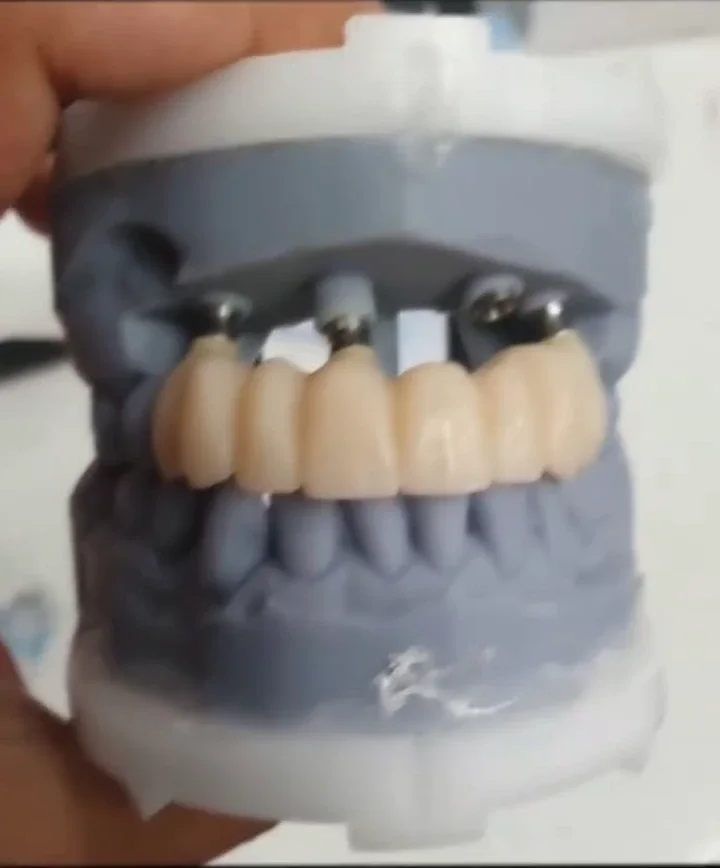
A private dental fee pays for the proposed care, including the clinical time, materials, laboratory work and follow-up specified in the plan. Diagnosis and complexity can make apparently similar treatments cost differently. Compare complete estimates, including exclusions, optional alternatives and likely maintenance, before judging the headline price.
Why two quotations may differ
A crown on a relatively sound tooth and complex reconstruction involving infection control, temporary stages and extensive laboratory coordination are not the same service. Imaging, diagnostic records, surgery, material, equipment, number of appointments and technical complexity can affect cost. Price alone does not establish suitability, competence or final quality.
Request an itemised plan
The written proposal should identify each planned stage, alternatives, estimated total cost, what is included in reviews or aftercare and what might generate an additional fee. If diagnosis remains uncertain, the plan should explain which findings could change treatment. Avoid promises of a fixed lifetime cost where repairs or biological complications remain possible.
Understand elective versus necessary treatment
Aesthetic preferences, material upgrades and elective changes should be separated from treatment needed to control pain, disease or structural failure. Some patients may choose an achievable conservative option over a complex elective reconstruction. In a mixed practice, relevant NHS and private alternatives should be explained without coercion.
Compare future maintenance
Complex restorations may need cleaning aids, protective appliances, periodic review, repair or replacement. An implant, bridge, crown and composite restoration each have different potential costs beyond fitting. A full comparison includes the financial effect of failure or the need for additional stages, not only the original booking deposit.
Financing is a separate decision
If you are considering payment over time, check interest, fees, deposit, the total repayable and any third-party credit terms separately from the treatment plan. An affordable monthly amount does not establish clinical suitability or guarantee how long treatment will last. Both the care estimate and finance agreement need to be understood.
Questions that reveal value
Useful comparisons include whether a smaller intervention could meet your aim, the material and laboratory work proposed, and how a temporary stage could change the plan. Clarify included aftercare and expected ongoing costs. These details help show what each quotation offers for your actual needs.
Ask what the full treatment pathway includes
A headline price can describe an examination, one restoration or just one stage of a much longer treatment plan. For a crown, ask whether the quote includes diagnostic imaging, temporary protection, laboratory manufacture, fitting and necessary follow-up. For implant replacement, a surgical fixture and a finished crown are different components, while grafting or additional imaging may be indicated in some patients. Orthodontic fees should distinguish the active appliances, refinements where offered and the retainers needed afterwards. These questions make quotes comparable without pretending that every patient needs the same procedures.
A written estimate should identify what is included, which costs depend on findings that are not yet confirmed and how changes will be discussed before extra work. A low initial fee does not establish the final value if it excludes necessary maintenance or repairs. Conversely, a higher price alone is not evidence of superior outcomes. Patients choosing extensive treatment should understand staging, payment dates, refund terms if care stops and which clinician is responsible for complications or subsequent adjustments.
Value also includes management of complications
Future care can include small composite repairs, replacement retainers or supportive implant maintenance, each separate from the original procedure. Check which follow-ups are included, what a complication visit might cost and whether parts or laboratory work attract additional fees. If a warranty is offered, read its written scope and exclusions alongside those maintenance needs.
Where several options are clinically suitable, the most conservative may cost less initially but need more frequent maintenance; another may have greater upfront cost and different irreversible consequences. A clinical plan should explain that difference without describing any material as permanent. Independent financing terms, interest and total repayment should be assessed separately from the clinical merits of the chosen treatment.
Sources and professional guidance
Applying the information:
Your next step, when you’re ready
We would be pleased to welcome you for a £30 consultation at your preferred Iconic Smiles practice. Bring your questions, and we can talk through the options that may suit you.
Any additional investigations and their fees will be explained before you decide.