
Repairing your teeth
Staged Dental Treatment: How to Prioritise Extensive Care
Extensive dental care can often be divided into logical stages: urgent problems, disease control, stabilisation, functional rehabilitation and elective aesthetic refinement.
Talk through your options for repairing teeth
If you would like to understand how a tooth might be repaired or protected, a £30 consultation offers time to discuss your concerns and what an individual assessment may involve.
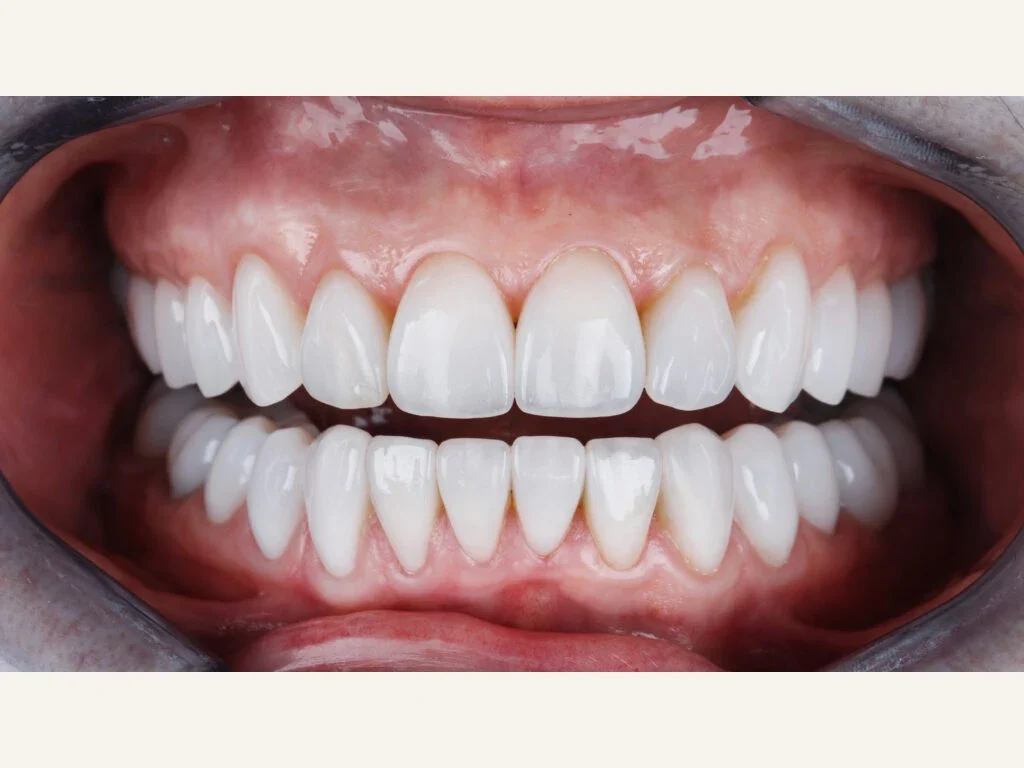
Extensive treatment can often be planned in stages: immediate problems, disease control, stabilisation, rebuilding function and any elective appearance changes. The order depends on what the examination shows and which steps must precede others. A staged plan should keep your mouth healthy and usable between visits, as well as make the commitments clear.
First address immediate harm
Severe pain, spreading infection, active bleeding or traumatic damage takes precedence over elective appearance work. A triage appointment may stabilise the situation before a broader examination. Treatment to control the acute problem is not automatically the final repair, and remaining needs should be recorded rather than left ambiguous.
Build a complete diagnosis
A complete assessment considers teeth, gums, existing work, the bite, mouth tissues, medical factors and relevant imaging. Knowing the outlook for each tooth helps establish what can be maintained. It also avoids conflicting procedures, such as placing an implant before necessary alignment or veneers before a damaging bite has been addressed.
Control disease and establish a stable foundation
Gum treatment, decay control, root-canal care and prevention may need to come before extensive final restorations. Temporary work can help reassess symptoms, cleaning or function. Each stage should have a clear purpose and criteria for moving on, including findings that could change the next step.
Coordinate restorative and orthodontic stages
When relevant, tooth movement may precede implants or cosmetic additions, and the proposed final restoration can determine implant position or space requirements. Provisional stages can test the bite and appearance before irreversible final treatment. Not everyone needs every discipline, but relationships between procedures must be explained.
Balance budget with biological risk
Some elective work can wait safely, while delaying uncontrolled disease may increase costs or reduce future options. Compare a stabilisation plan with the full long-term proposal and understand the consequences of gaps between stages. Possible fee changes and additional findings should be identified as uncertainties in the estimate.
Maintain the result between phases
Cleaning between teeth, suitable fluoride, gum maintenance, reviews and a nightguard where indicated can help protect both temporary and completed work. Each phase needs clinical review and a clear handover before the next begins.
Separate urgent stabilisation from elective reconstruction
A patient with several worn teeth, missing molars and inflamed gums may need a sequence rather than one immediate cosmetic package. First manage active infection, uncontrolled pain and gum disease. Record the bite, available tooth structure and prognosis of individual teeth before irreversible treatment. The position of the back teeth may determine how front crowns or veneers are loaded; extracting a tooth without reviewing its strategic value can compromise later options.
Keep the treatment plan adaptable
A provisional restoration or diagnostic trial phase may show how a proposed bite or appearance functions before definitive ceramics are fitted. If implants are contemplated, the surgeon and restorative clinician should agree on the final tooth position before deciding implant placement. If orthodontics would improve space or gum contours, the order of treatment should be agreed in advance. The patient should be told which steps are essential for health, which are optional and which might be delayed safely while finances or health circumstances change.
The written plan should include dependencies between stages, the likely review points and contingencies if a tooth proves unrestorable or a proposed implant site needs grafting. A detailed estimate can identify stages with conditional fees rather than implying an exact final cost before examination. Maintenance begins between treatment phases, not only after the smile is complete.
Staging also gives you opportunities to reconsider choices in light of the response. Persistent gum inflammation may mean postponing or changing final restorations. Improvement with a conservative temporary can help judge whether extensive preparation is necessary. New findings and changes to irreversible treatment need renewed discussion; agreeing an overall plan does not remove your choice at later stages.
Sources and professional guidance
Applying the information:
Your next step, when you’re ready
We would be pleased to welcome you for a £30 consultation at your preferred Iconic Smiles practice. Bring your questions, and we can talk through the options that may suit you.
Any additional investigations and their fees will be explained before you decide.