
Repairing your teeth
Previewing a smile makeover: trial smiles and temporary crowns
Explore how mock-ups and temporary restorations can help you understand proposed changes before cosmetic or restorative treatment.
Talk through your options for repairing teeth
If you would like to understand how a tooth might be repaired or protected, a £30 consultation offers time to discuss your concerns and what an individual assessment may involve.
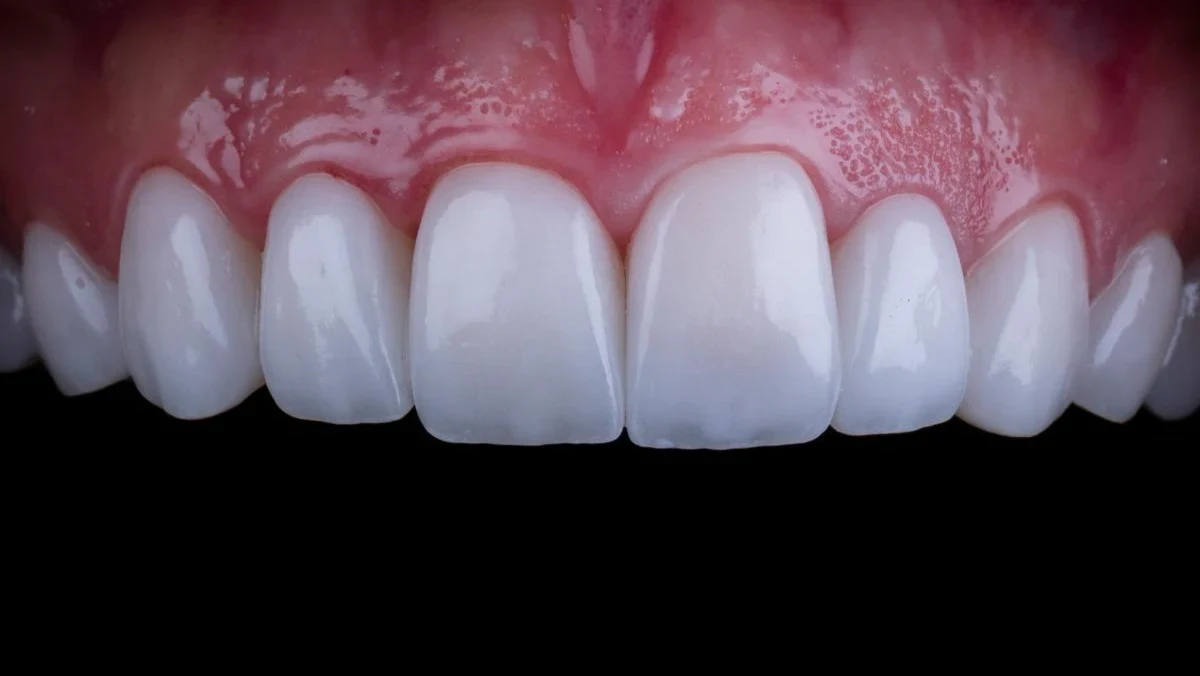
A trial smile can help you judge proposed tooth shapes, while suitable temporary restorations can also test aspects of speech and the bite. What you can learn depends on the type of preview: a short removable mock-up does not work like a temporary crown worn during treatment.
A digital image shows appearance, but cannot demonstrate how teeth will feel during speech, chewing or cleaning. Trials range from removable mock-ups to temporary crowns during more extensive treatment. Their value comes from the particular questions they can answer before the final ceramic is made.
A diagnostic mock-up versus a provisional crown
A mock-up may be built from a proposed design and temporarily placed over existing teeth, often to assess shape and appearance. It may not be suitable for normal chewing or prolonged wear. A provisional crown, by contrast, can protect a prepared tooth and help assess the planned anatomy while the final restoration is made. More extensive provisionals can also be used to test changes in bite height or contact patterns. The dentist should explain which kind of trial is being offered and its limits.
What appearance can reveal
A trial may show whether the front teeth look too long, how their edges relate to the lips during speech and whether the smile feels balanced. A shape that appealed in a photograph may feel too prominent in conversation. The dentist can check surface angles, spaces between teeth and symmetry in real lighting, then share agreed changes with the laboratory before manufacture.
Speech and chewing provide different feedback
Sounds formed with the front teeth can reveal whether tooth length or position needs adjustment. Chewing tests and examination of bite contacts help evaluate function where the provisional is designed for that purpose. A restorative plan should not chase every momentary sensation during the first hour of adaptation, but persistent concerns need review. Patients should know which foods are appropriate for the temporary design and what damage would require attention.
Using trials to conserve tooth structure
A mock-up can sometimes demonstrate that minor additive bonding meets the cosmetic goal, avoiding more extensive veneer preparation. Conversely, it may reveal that the desired increase in length would create an unacceptable bite interference. Learning that before drilling is valuable. The trial is particularly useful when replacing several crowns, planning worn-tooth rehabilitation or coordinating final tooth position after orthodontics.
Communicating changes to the laboratory
Updated photographs, scans and notes help transfer agreed changes in shape, shade and contacts to the laboratory. Some features can be copied closely, while others may differ because the final ceramic has different thickness and light-handling properties. The instructions should capture what the trial revealed in your mouth, including changes to the original screen design.
Evaluating the actual value of a trial
Ask what the mock-up can tell you, how long it will remain in place, whether it is reversible and which parts are included in the quoted treatment. A trial that answers meaningful clinical questions may prevent reworking definitive crowns. It is not a guarantee of perfect long-term performance, but it offers a practical bridge between an attractive proposal and an informed decision about irreversible restorative care.
What a useful trial can prevent
For example, a preview of eight replacement upper crowns might show longer front teeth, while a temporary trial reveals that the proposed edges affect speech sounds. The dentist can adjust them and review a relaxed smile before the ceramic stage. Another trial might reveal awkward food contacts or difficulty cleaning beneath a bulky bridge tooth. Such findings are easier to address while changes remain possible. A brief trial cannot predict every future tissue response, wear pattern or breakage. Establish which features it is designed to test and which changes could still be made afterwards.
Your next step, when you’re ready
We would be pleased to welcome you for a £30 consultation at your preferred Iconic Smiles practice. Bring your questions, and we can talk through the options that may suit you.
Any additional investigations and their fees will be explained before you decide.