
Repairing your teeth
E.max or zirconia for a back tooth crown: what to consider
Discover how a dentist weighs appearance, bite forces and available tooth structure when recommending a ceramic crown.
Talk through your options for repairing teeth
If you would like to understand how a tooth might be repaired or protected, a £30 consultation offers time to discuss your concerns and what an individual assessment may involve.
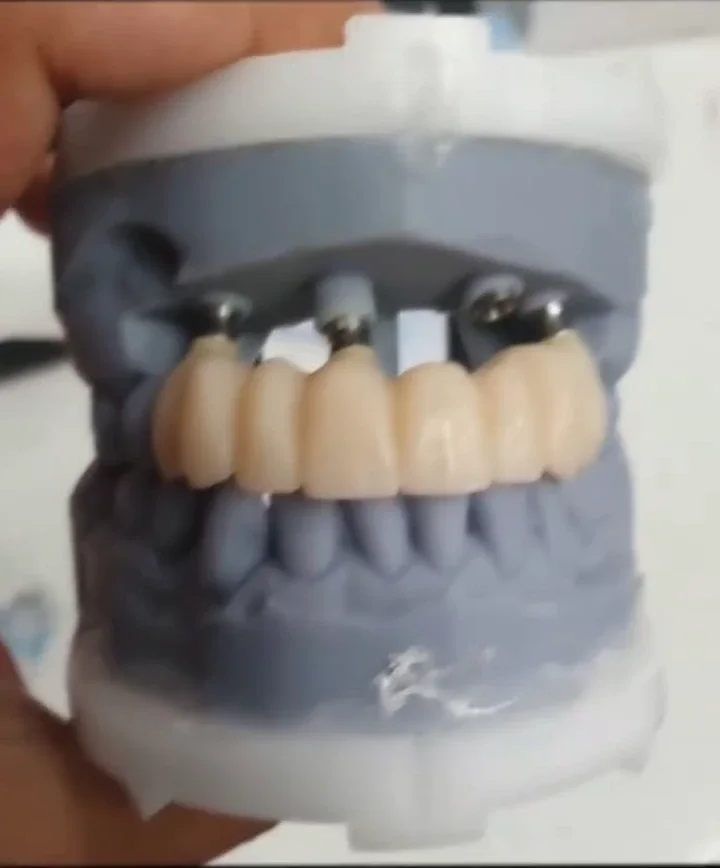
E.max-type lithium disilicate and zirconia can both suit selected back-tooth crowns. The appropriate choice depends on remaining tooth, material space, bite and the way the crown will be retained, alongside the appearance you want.
A patient needing a new molar crown may be offered lithium disilicate glass ceramic, widely associated with the E.max name, or a zirconia restoration. Both are used in modern dentistry, but their behaviour during manufacturing, bonding and chewing is different. The decision should reflect the amount of tooth remaining, available bite space, aesthetic expectations and how the crown will be retained. Selecting zirconia because it sounds strongest—or lithium disilicate because it sounds most natural—can oversimplify a clinical judgement.
Begin with the tooth that needs protection
A crown may be considered because of a large existing filling, cracks, substantial tooth wear or an extensive restoration on a root-treated molar. The dentist should assess the tooth's remaining walls, gum margins, cracks, bite and capacity to support a restoration. Sometimes a bonded onlay preserves more tooth than a complete crown. The choice of material comes after that diagnosis. A ceramic marketed as durable cannot compensate for inadequate remaining tooth structure or a poor margin design. Ask what is being protected, how much tooth preparation is proposed and what alternatives would preserve more sound tissue.
What lithium disilicate offers
Lithium disilicate is a translucent glass ceramic with its own bonding protocols. It can suit selected back-tooth inlays, onlays or crowns when dimensions and loading allow. Underlying colour and thickness affect the result. As with other brittle ceramics, the preparation and manufacture need to support the design. The dentist should explain available clearance, any vulnerable cusps and whether the margins can be kept clean.
What zirconia offers
Zirconia is a ceramic with a crystalline structure and formulations offering different balances of strength and translucency. A crown made from one piece may suit selected high-load back teeth, with thickness and treatment specific to the product. Its bonding preparation differs from glass ceramics. Reviews of wear on opposing enamel show why finish matters: polished, rough and glazed zirconia can behave differently. Any adjusted surface needs appropriate re-polishing.
Thickness and bite clearance are not minor details
Posterior teeth face substantial compressive and sideways forces. The clinician measures available occlusal space, existing tooth height and the direction of contacts. Excessive preparation to accommodate a restoration sacrifices sound structure, while insufficient thickness may put some designs at risk. Someone who clenches or grinds may need additional assessment of contacts and protection, regardless of material. The crown must be designed to coexist with the opposing natural tooth or restoration. A material comparison without discussing space, retention and occlusal scheme is incomplete.
Laboratory communication and fit
Digital milling and laboratory processing can produce precise restorations in either category when the scan, preparation and manufacturing steps are suitable. The clinician checks marginal adaptation, proximal contacts, emergence from the gum and the patient's ability to floss. An attractively polished crown can still be unsuitable if it traps food or makes the bite feel high. Ask whether the crown will be conventionally cemented or adhesively bonded and why that approach suits the preparation. Long-term performance depends on the entire restorative system, not simply a ceramic name.
A useful material comparison at your appointment
Compare the remaining walls, proposed preparation, bite clearance, expected colour and reasons for the selected ceramic on your molar. The estimate should cover laboratory work, fitting and reviews. Research on indirect materials and opposing-tooth wear informs individual selection, with tooth preservation and maintenance included alongside strength and appearance.
Evidence and further reading
- American Dental Association: indirect restorative materials
- Umbrella review: zirconia crown antagonist wear — PMCID PMC11321487
- NHS: dental treatment choices
The practices are in Hatfield and Cheshunt in Hertfordshire, and Friern Barnet in North London. If travelling from Bedfordshire, Buckinghamshire or Essex, use the actual clinic address on your confirmation.
What the published evidence adds
A review of zirconia bonding strategies discusses the importance of surface treatment and MDP-containing primers; its laboratory and clinical evidence should not be interpreted as a guarantee for any particular veneer. Read the source
Further questions to consider before treatment
- For a back crown, the final surface finish and bite design matter alongside strength.
- Layered and single-piece ceramics offer different appearance and mechanical considerations that should be explained for the proposed crown.
- The ceramic and tooth foundation guide whether and how the crown is bonded or cemented.
Your next step, when you’re ready
We would be pleased to welcome you for a £30 consultation at your preferred Iconic Smiles practice. Bring your questions, and we can talk through the options that may suit you.
Any additional investigations and their fees will be explained before you decide.