
Repairing your teeth
E.max or Zirconia for a Front Crown: How to Compare
People choosing a front-tooth crown often hear about E.max and zirconia as though they are simple competing brands.
Talk through your options for repairing teeth
If you would like to understand how a tooth might be repaired or protected, a £30 consultation offers time to discuss your concerns and what an individual assessment may involve.
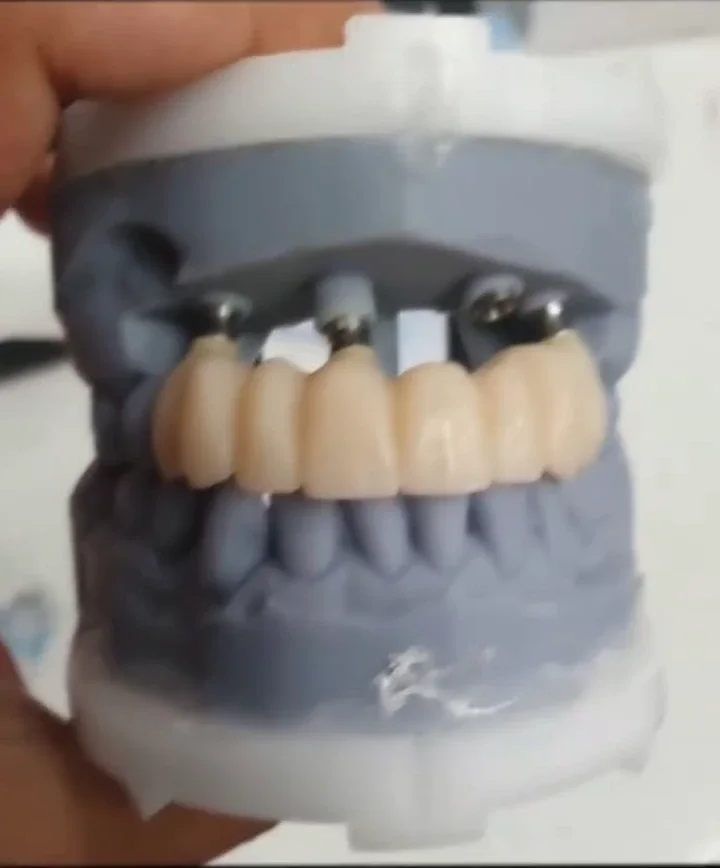
E.max and zirconia can both suit selected front crowns, but the better choice depends on the underlying tooth, available thickness, shade and bite. IPS e.max commonly refers to lithium-disilicate glass ceramic; zirconia is a different ceramic with different light-handling and bonding properties. Neither is universally best for every front tooth.
Start with the foundation
A front tooth with a pale, sound preparation may allow greater translucency than one with a dark metal post or discoloured root. The ceramic must mask the foundation enough to look natural without becoming flat or opaque. The dentist should assess the stump shade and photograph neighbouring teeth in appropriate light. If the crown is next to a natural incisor, matching incisal translucency and surface character may be particularly difficult. Choosing the brightest standard shade often gives a less convincing result than matching the individual smile.
Optical behaviour differs from strength claims
Lithium-disilicate glass ceramic can offer useful translucency with a bonding method suited to that material. Zirconia formulations have different balances of strength and translucency and need different surface treatment and cementation. A laboratory bending-strength figure alone cannot determine which complete restoration will perform best. Shape, manufacturer requirements and the supporting tooth matter too.
Preparation and bonding matter
The dentist checks remaining enamel and dentine, the core's retention and whether there is a useful band of sound tooth for the crown to encircle, known as a ferrule. Enough room is needed for the chosen ceramic without an overbulky result. A short tooth or weakened core may need further planning. Material and clinical conditions determine whether bonding or conventional cementation is appropriate.
The bite has to support the design
Upper incisors may be exposed to contacts when the jaw moves forward or sideways. Bruxism, deep overbite and limited clearance can increase the risk of chipping or fracture, depending on restoration design and finish. The dentist may check tooth contacts in several movements and whether adjacent composite or other crowns need adjustment. Final polishing after ceramic adjustments matters to surface quality and the opposing enamel. A realistic plan includes discussion of protective appliances where clinically indicated.
Ask to see a personalised comparison
Request an explanation of how each candidate material will look over the actual prepared tooth, how much tooth reduction it needs and what happens if a crown needs future repair or replacement. A provisional crown can help test the planned contour, length and speech before the definitive ceramic is fitted. Colour, maintenance, laboratory costs and long-term tooth prognosis should all be considered. The right decision is an individual restoration strategy, not a claim that one named ceramic is always more premium.
Underlying colour can reverse the preferred choice
A pale front-tooth preparation with enough space may suit translucent ceramic that blends with neighbours. A dark root-filled tooth and core may need more masking, changing the balance of appearance and thickness. Compare the actual formulations over that starting tooth rather than isolated catalogue samples. A temporary can test lip support and speech. With heavy clenching, contacts, thickness and finish need particular attention alongside shade.
Any adjustment at fitting needs refinishing as required for the material. A glossy photograph cannot demonstrate that the biting contacts, cleaning between teeth and crown edge have all been checked.
What the published evidence adds
A review of zirconia bonding strategies discusses the importance of surface treatment and MDP-containing primers; its laboratory and clinical evidence should not be interpreted as a guarantee for any particular veneer. Read the source
Your next step, when you’re ready
We would be pleased to welcome you for a £30 consultation at your preferred Iconic Smiles practice. Bring your questions, and we can talk through the options that may suit you.
Any additional investigations and their fees will be explained before you decide.