
Super-master guide · Dental implants — replacing missing teeth
Am I Suitable for Dental Implants? A Patient-First Assessment Guide
Pre-treatment eligibility across gum health, bone, medical history and personal priorities; not a generic treatment overview.
Explore your tooth replacement options
If you are considering replacing a tooth or several teeth, a £30 consultation gives you a chance to explain what matters most, ask questions and explore the options with our team.
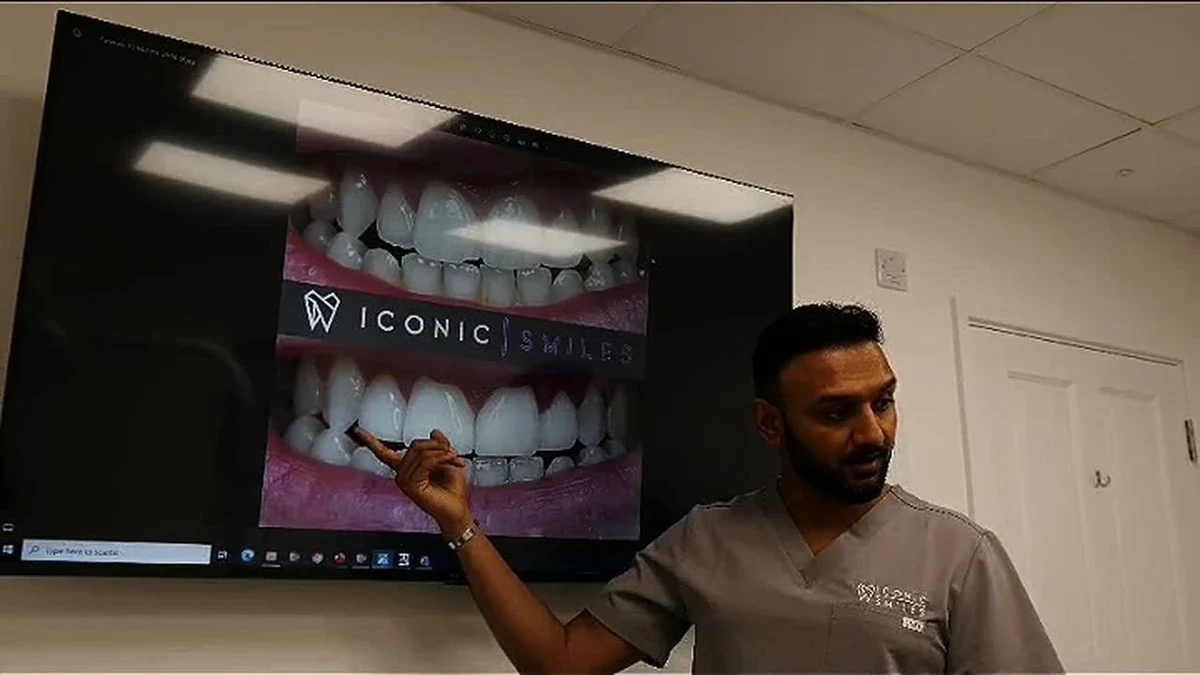
Being told that a tooth needs replacing can raise several questions at once. Will an implant work for you? Is the treatment safe? Would age, gum disease, smoking or a medical condition change the answer? Perhaps you are worried that you will be judged for delaying dental care. A good implant assessment should be a conversation about your circumstances and priorities, not a test that you pass or fail.
The broader complete guide to dental implants explains the overall treatment pathway. This guide concentrates on suitability: which findings genuinely change a plan, which problems may be treatable first, and when a different tooth-replacement option may be safer. If you are exploring dental implants, you should be able to ask questions before agreeing to irreversible treatment.
A related treatment-planning question is explored in Replacing Several Missing Teeth: A Decision Guide to Bridges, Dentures and Implants. This related guide addresses a different patient question and can help you compare your options without rushing a decision.
Suitability begins with what you want to achieve
An implant can replace a missing tooth or support several replacement teeth, but that does not make it the right answer to every dental problem. Your circumstances might favour preserving a tooth, a bridge, a denture or no immediate replacement. Your dentist should understand what matters most to you: chewing, confidence, avoiding surgery, easy cleaning, long-term predictability, cost or the time you can devote to treatment.
A consultation should identify the precise problem being solved. A loose removable denture, a recently extracted front tooth and a failing molar have different demands. The quantity and quality of supporting bone, the neighbouring teeth, the bite and the health of your gums may make one solution more suitable than another.
Gum health and untreated infection
Healthy tissues are central to implant planning. Active gum disease can damage the supporting tissues around natural teeth and is associated with complications around implants. The European Federation of Periodontology's implant guidance advises that periodontitis should be successfully treated before implants are placed.
If your gums bleed, this is a reason for assessment rather than embarrassment. It may be appropriate to treat inflammation, improve cleaning access and reassess gum stability before planning surgery. Ask which measurements will be recorded and how the team will decide that you are ready for the next stage.
An implant placed into a mouth with unresolved disease does not automatically solve the underlying problem. It is worth asking how existing gum care and future implant maintenance will work together.
Bone volume, anatomy and available space
An implant needs adequate surrounding bone and a safe relationship to nearby structures. The amount available can change after teeth have been missing for some time, and bone shape varies between people. A clinician may use radiographs and, where justified, 3D imaging to assess the site.
Limited bone does not always mean implants are impossible. Depending on the location, alternatives may include a different implant design, bone augmentation, a revised restoration or a non-implant option. Each may carry its own risks, costs and treatment stages. Additional imaging should be explained in terms of what decision it will change.
The space between neighbouring roots matters as well as the visible gap between crowns. A planned implant should be assessed as a three-dimensional restoration, not simply as a screw that happens to fit into an X-ray image.
Your medical history matters — without defining you
The clinician needs an accurate list of medicines, conditions and previous procedures, including treatments affecting bone metabolism, immune function, bleeding or healing. Some health conditions can change surgical risk or the suitability of implant therapy. In some situations it may be appropriate to liaise with your doctor or another specialist before deciding.
Diabetes control is one example of a factor clinicians assess. It should prompt an individual conversation about healing and infection risk rather than a simplistic blanket judgement. Certain antiresorptive medicines, such as those used for osteoporosis or cancer-related bone disease, require particular care because of medication-related osteonecrosis risk. Never stop prescribed medicine on the basis of a website article.
Ask what information the dentist needs, which risks are relevant to you and whether a different treatment could offer a better balance of benefit and burden.
Smoking, vaping and healing
Smoking is associated with worse implant outcomes and a higher risk of complications around implants. Your clinician should ask about it openly and explain the implications, including the value of stopping. The discussion should be practical and supportive, not punitive.
If stopping tobacco is difficult, say so. You can still ask for an honest assessment and support with making changes. Whether treatment should be postponed, modified or avoided depends on the whole risk picture and clinical judgement, not on a single statement made without examining you.
Evidence about newer nicotine products is still developing, so it is sensible to disclose them too. Your clinician can then advise on the factors relevant to healing.
Bite forces, tooth grinding and existing restorations
An implant restoration has to coexist with every tooth and restoration it contacts. A very forceful bite, grinding or an unstable arrangement of remaining teeth may affect crown design, load distribution and maintenance planning. Your dentist should assess how you chew, not simply choose the tooth colour.
Existing crowns, bridges and bite changes can complicate a plan. Sometimes the most important first step is to stabilise neighbouring teeth or treat a different problem. Ask whether you will need a protective appliance, what warning signs to watch for and how problems would be managed.
What happens at a thorough assessment?
The appointment usually begins with your history, symptoms, expectations and preferences. Examination considers gum health, existing restorations, the bite and the proposed replacement space. Imaging may help clarify anatomy, although no scan should be taken without an appropriate justification.
A useful written outcome distinguishes three things: what is known, what still needs investigating and which treatments are reasonable. You should also be told about important alternatives and the option not to proceed immediately. Where the evidence for success is uncertain, an estimate should not be disguised as a guarantee.
You may find it helpful to ask the dentist to show you the findings on the images or models used for planning. Clear explanation gives you more control over the decision.
When a different solution may be the better choice
Implants are one option rather than a default entitlement. A bridge may suit a particular gap, especially if neighbouring teeth already need restoration. A denture may avoid surgery or provide a flexible interim solution. Preserving and restoring an existing tooth may offer the least invasive option when its prognosis is reasonable.
For a single tooth, the comparison between an implant and a resin-bonded bridge provides a focused example of why alternatives matter. The best choice depends on the site and the person, not on which technology is newest.
Questions worth taking to your dentist
- Which specific examination findings support or limit implant suitability?
- Are there gum, decay or medical concerns we should address first?
- What does the imaging show, and would further imaging change the plan?
- Could an existing tooth reasonably be saved?
- What non-implant options could meet my main goals?
- How will the restoration be cleaned and checked over time?
- What does the quoted cost include, and what could change it?
- If I decide not to proceed now, what should I monitor and when should I return?
You should leave knowing why an option has been recommended and what the alternatives would mean, not feeling that a single appointment has committed you to surgery.
References and further evidence
- European Federation of Periodontology — Implant suitability, risk factors and care.
- NHS — Dental treatments and implants.
- NICE CG19 — Patient-specific dental review planning.
The suitability of an implant can only be established through an individual dental and medical assessment. Decisions about medicines must be made with the appropriate prescriber.
Your next step, when you’re ready
We would be pleased to welcome you for a £30 consultation at your preferred Iconic Smiles practice. Bring your questions, and we can talk through the options that may suit you.
Any additional investigations and their fees will be explained before you decide.