
Dental implants — replacing missing teeth
How Much Do Dental Implants Really Cost in the UK? A Complete Price Breakdown
Dental implant costs depend on the replacement needed and the stages required to provide it.
Explore your tooth replacement options
If you are considering replacing a tooth or several teeth, a £30 consultation gives you a chance to explain what matters most, ask questions and explore the options with our team.
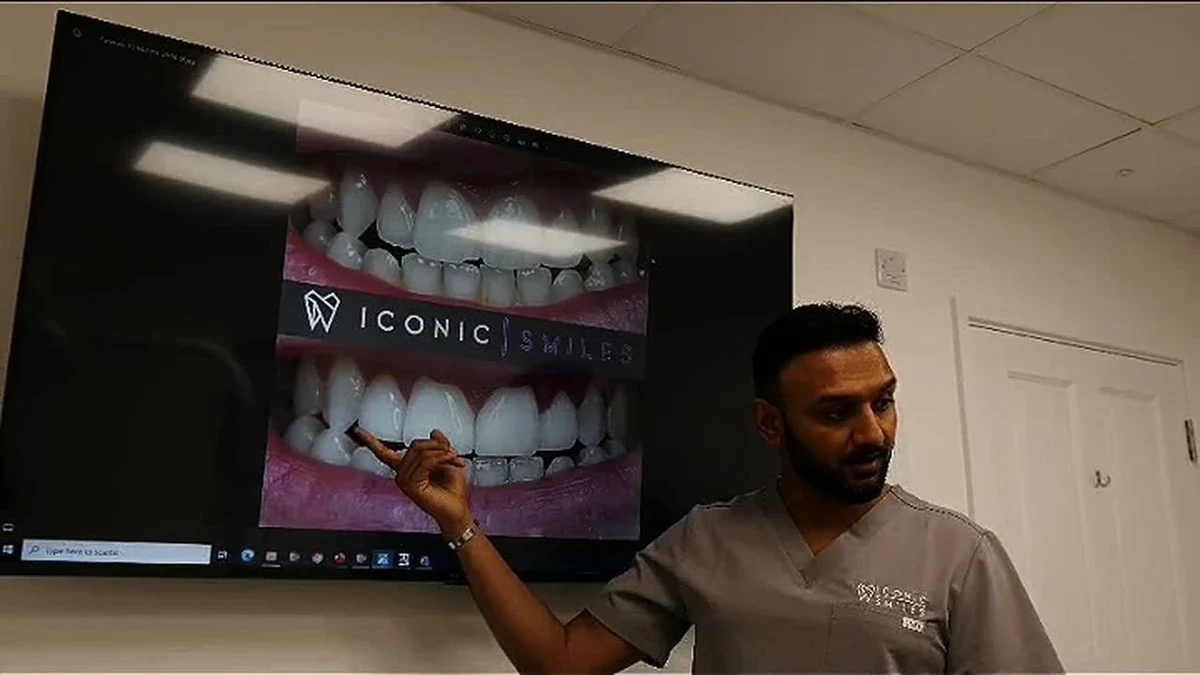
A starting price is not a complete treatment quotation
Dental implant costs depend on the replacement needed and the stages required to provide it. Iconic Smiles publishes a starting implant fee of £1,600, checked on 25 October 2026. That headline alone does not define every included component. Ask for the complete written estimate for your actual treatment rather than assuming that every implant quotation covers identical care. [1]
Identify what the price is replacing
An implant is the artificial root; the visible replacement may be a crown, a bridge or a denture. One missing tooth and a full arch therefore do not involve the same restorative design. A comparison between providers is useful only when the proposed replacement, number of implants and treatment scope are clear. [2]
Ask for the stages to be itemised
Assessment, necessary imaging, removal of a tooth if required, any grafting, implant placement and the final restoration are different parts of a possible pathway. Some patients need additional stages and others do not. Ask which are included, which are conditional on examination findings, and how any change would be explained before it is carried out. [2]
Compare continuing care as well as the initial fee
Implants and their restorations require long-term care. Parts can loosen or wear, and peri-implant inflammation needs prevention and assessment. Ask what follow-up is included and how maintenance, repairs and unexpected problems are charged. A low first-stage fee does not answer those questions. [2][3]
Use an assessment to make prices comparable
Bring an existing quotation if you want the team to explain differences in scope. Ask about the diagnosis, reasonable alternatives and the complete expected fee. Iconic Smiles' fees page describes its figures as guide prices and states that the individual plan confirms the fee for the care agreed. [1]
Risks that matter after the tooth is fitted
An implant may fail to integrate; components can loosen or wear; and inflammation can affect the supporting tissues. Smoking and the condition of the mouth influence risk. Prevention and supportive care begin during planning and continue after loading. A comfortable implant does not prove that its supporting tissues are healthy. NHS patient informationRead the supporting clinical study (2)
Compare cash price and financed total
Finance may be offered at a promotional interest rate, a fixed annual rate or through a separate credit provider. Check any deposit, payment term, interest, fees and the total amount payable. A low monthly repayment over a longer period can result in a higher overall cost than a shorter term. The practice should explain which organisation provides credit and whether a formal affordability check or credit agreement applies. Clinical consent and financial acceptance are separate decisions; agreeing to a consultation should not be treated as agreeing to finance or to irreversible dentistry.
Compare alternatives honestly
A bridge may initially cost less or more depending on the number of teeth involved and the condition of the supporting teeth. It can sometimes be preferable when adjacent teeth already need crowns; it may be less attractive when it would require extensive preparation of sound teeth. Removable dentures involve their own compromises and maintenance. Monitoring a gap can also be reasonable in a stable bite. Ask about the cost of leaving a space, not merely the financial cost of replacing it. The best value balances health, function, long-term maintenance, appearance and your own priorities.
The sequence from records to treatment
Compare the stages in each written estimate: investigations, any extraction or graft, surgery, implant parts, temporary teeth, the laboratory-made crown and planned reviews. This shows what each price actually covers.
Start with the same problem and endpoint
You can only compare dental quotes fairly once you know what each would achieve. Repairing one tooth, restoring several teeth and rebuilding a whole bite involve different amounts of care. A price difference may simply reflect a different plan, so start with the diagnosis and intended result.
Is the most extensive treatment necessary?
A smile makeover might combine alignment, whitening and targeted bonding rather than placing multiple veneers on sound teeth. A single missing tooth may be replaced by an implant, bridge or removable option depending on anatomy and patient preference. An itemised plan makes it easier to compare clinical alternatives and stage treatment without sacrificing important priorities. If a less invasive route achieves the main goal, it deserves proper discussion even when its total sale value is lower. The GDC requires advertising to remain accurate and not exploit patient uncertainty or lack of knowledge.
Comparing treatment routes
A phased implant plan, bridge, removable replacement or monitoring may each involve different costs and clinical compromises. First establish which are reasonable for your mouth. Then compare the implant, surgery, imaging, connecting abutment, crown, temporaries, any grafting and maintenance separately. If insurance may contribute, check whether approval is needed before treatment.
Why trust is more important than a discount
Look for a documented assessment, discussion of realistic risks and alternatives, the clinician’s actual credentials and a clear consent process. Do not rely solely on “premium”, “permanent”, “pain-free” or “guaranteed for life” marketing phrases. Written treatment plans should explain what is being purchased and what is not included. GDC advertising guidance requires factual, verifiable claims. A practice should welcome thoughtful questions and provide the information needed to make a voluntary decision, rather than using an expiring offer to pressure someone into surgery.
What the evidence can and cannot promise
Long-term studies distinguish an implant remaining in place from success without biological or technical problems. Their results describe studied groups, not an individual guarantee or an audited Iconic Smiles success rate. Ask how tissue health, cleaning access, function and repairs will be monitored, alongside whether the implant remains present. Read the supporting clinical study
Begin with an itemised treatment plan
An implant quotation may involve diagnostics, extraction, grafting, placement, a provisional tooth, the abutment and a final crown. Orthodontic fees might cover records, attachments, aligners or braces, reviews, refinements and retainers to differing extents. Veneer fees may include laboratory stages, temporary restorations and fitting, but future repairs may be separate. Ask for a written breakdown identifying mandatory, optional and possible additional steps. A lower advertised starting price is not necessarily a cheaper completed treatment. The GDC says patients should receive clear information about dental costs and should be supported in making informed decisions.
Understanding the actual decision
Cover depends on policy terms, exclusions and staged claims rather than whether an implant is clinically indicated.
Ask about alternatives and changes
The clinician should explain options that involve more or less treatment, as well as how unexpected findings would be handled. Include maintenance and possible repairs in your thinking. The choice needs to suit your teeth, priorities and budget, with costs explained before you consent.
What would justify a different choice?
For example, an advertised implant starting price may not include a graft or temporary tooth that your assessment shows you need. The useful comparison is the written total for your own plan, with each stage identified. If you intend to claim on insurance, check what the policy covers and obtain any required approval before authorising care.
The decision that changes a quote
The comparison is fair only when it is based on the same finished outcome. Ask whether the quoted restoration is a single crown, bridge or denture, what temporary teeth are included, and whether the provider is including reviews and laboratory stages. A printed comparison sheet can make differences obvious. A separate surgery fee may be entirely reasonable if clearly explained; a supposedly all-inclusive fee is less useful if it omits necessary grafting or the final crown. If a treatment option cannot be sensibly priced without scans, ask what information is missing rather than demanding a speculative fixed figure.
The decision starts with the remaining teeth
The assessment should compare an implant with a bridge, a removable denture and, where reasonable, leaving a space. The dentist needs your medical and medication history, oral examination and appropriate imaging. Not everyone needs grafting. Your plan should explain why a tooth cannot predictably be retained before extraction is agreed. NHS patient information
List what is included
Check assessment, imaging when indicated, preparatory treatment, appliances or components, temporary care, final restorations and planned reviews. Iconic Smiles’ public fees identify individual service categories; the personalised plan should explain how the recommended stages combine. Compare the written inclusions rather than infer them from a headline. See our current treatment fees
Dental Implant Insurance and the Written Treatment Quote
Clinical assessment and suitability
Your assessment establishes the condition of the bone and teeth, the stages needed and whether temporary or final teeth are planned. Examination and justified imaging provide different information. Insurance cover is a separate question, decided by your policy and insurer rather than by clinical suitability alone.
Depending on the findings, relevant alternatives may include a phased implant route, bridgework, removable replacement or monitoring; the medically reasonable choice should be discussed separately from a provider’s promotional fee. Ask for separate implant fixture, surgery, imaging, abutment, crown, temporaries, grafts and maintenance costs with insurer preauthorisation where relevant.
A patient hears 'implant from' pricing but also needs a graft and a provisional tooth.
An insurer may require documentation of the original tooth-loss cause, benefit limits and approval before implant surgery. A quotation should distinguish the implant body from abutment, final crown and site preparation. The patient should know if a failed approval claim would leave them liable for already authorised stages.
Check waiting periods, exclusions and laboratory costs in the policy. Your estimate should also explain possible additional grafting and how any change in treatment or fees would be agreed, rather than assume one advertised figure covers every eventuality.
Your next step
Areas we serve: Hertfordshire · Bedfordshire · Buckinghamshire · Essex. Our actual clinics are in Hatfield, Cheshunt and Friern Barnet; Bedfordshire, Buckinghamshire and Essex are patient catchment areas, not additional clinic sites.
Research and guidance
- International Team for Implantology: consensus database — background reading
- NHS: dental treatment information — background reading
Your next step, when you’re ready
We would be pleased to welcome you for a £30 consultation at your preferred Iconic Smiles practice. Bring your questions, and we can talk through the options that may suit you.
Any additional investigations and their fees will be explained before you decide.