
Dental implants — replacing missing teeth
Implants and severely worn teeth: what needs assessing first?
A mouth with severely worn teeth may also contain missing teeth, heavily restored teeth and spaces that affect the intended reconstruction.
Explore your tooth replacement options
If you are considering replacing a tooth or several teeth, a £30 consultation gives you a chance to explain what matters most, ask questions and explore the options with our team.
Map two problems instead of assuming they have one solution
Severely worn teeth do not automatically need removing or replacing with implants. Your assessment should first establish why they have worn, which can be repaired and whether any separate missing teeth need replacing. Worn, decayed, cracked and heavily restored teeth may each need a different approach. Every proposed extraction should have a clear reason within the wider plan. [1][2]
Investigate what is driving the wear
The pattern of wear, your diet, symptoms and medical history can help identify likely causes, including acid exposure. Worn edges alone do not prove tooth grinding. If a possible medical cause needs assessment, the team should explain how that will be arranged. Repairing tooth surfaces does not necessarily stop the cause, so prevention and monitoring need to accompany the reconstruction. [2]
Assess the remaining teeth individually
A worn tooth may need a different decision from a tooth with decay, a crack or an endodontic problem. Ask what can be preserved, what information is missing and how the prognosis affects the wider plan. Some teeth may need further assessment before their role as natural teeth or supports can be decided. A recommendation to remove several teeth deserves a tooth-by-tooth explanation and discussion of realistic retention options. Consent should distinguish elective changes for appearance from treatment intended to address disease or a structural problem; these do not carry identical reasons for intervention.
Plan the restoration before choosing implant positions
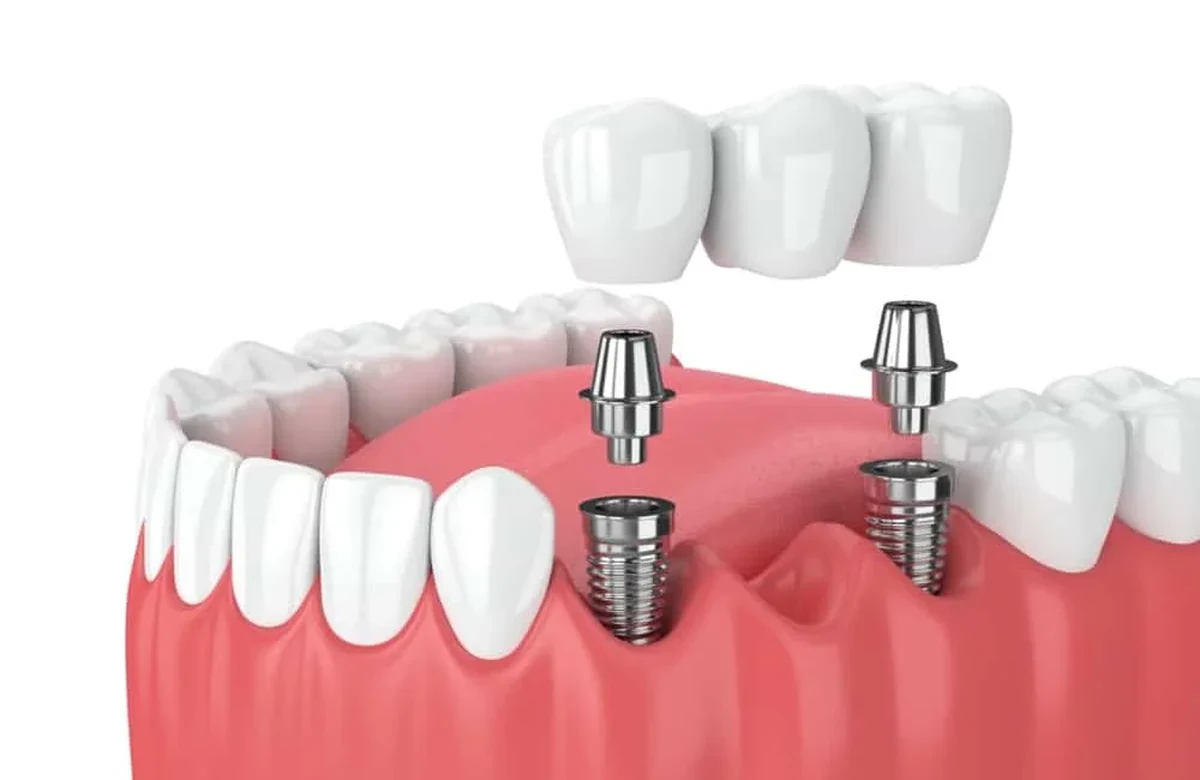
The intended teeth and bite help determine what implant support is required. NHS information describes implants supporting different restorations, while full-arch consensus considers prosthetic design and available clinical conditions together. Ask how the proposed positions relate to the final crowns or bridge, cleaning access and any retained teeth. Starting with a fixture count alone can conceal the actual restorative objective. If the proposal changes the way the teeth meet, request an explanation of the clinical reasoning, alternatives and how the intended arrangement will be assessed before accepting the definitive reconstruction. [1][3]
Discuss additive and staged possibilities where suitable
Severe wear does not automatically mean every tooth needs a full crown or extraction. A systematic review supports direct composite as a short- to medium-term option in selected localised anterior wear cases, while reporting important limitations and maintenance needs. That evidence should not be stretched to promise the same approach suits every full-mouth case. Ask which conservative choices are relevant to your diagnosis and what each would require later. A staged or provisional approach should have a defined clinical purpose, rather than be an unexplained extra step or a simulated guarantee of the final outcome. [4]
Finish with a complete pathway and continuing-care plan
Request a plan identifying retained teeth, replacements, preventive work, temporary stages and the people responsible for each part. Include maintenance of natural teeth and implants, because the finished mouth may contain both. The EFP recommends prevention and structured supportive care around implants. At Iconic Smiles, confirm the restorative and surgical clinicians, locations and full estimate. A useful assessment leaves you understanding how the reconstruction addresses function and appearance while responding to the causes of damage, with realistic alternatives and a clear account of what remains uncertain before irreversible work begins. [5][6][7][8]
The main consideration:
The plan should explain which natural teeth can be kept, how ongoing wear will be managed and where implants would replace missing teeth. Future care needs to cover both natural teeth and replacements.
Research and guidance
- Dental implants - Overview | Guy's and St Thomas' NHS Foundation Trust
- Chapter 7: tooth wear - GOV.UK GOV.UK
- Recommendations for Implant-Supported Full-Arch Rehabilitations in Edentulous Patients: The Oral Reconstruction Foundation Consensus Report.
- Success and Survival of Composite Resin Restorations for the Management of Localized Anterior Tooth Wear: A Systematic Review and Meta-Analysis.
- Prevention and treatment of peri-implant diseases-The EFP S3 level clinical practice guideline.
- Dental Team | Meet the Iconic Smiles Clinicians
- Dental Practices in Hertfordshire & London | Iconic Smiles
- Dental Fees & Finance: Treatment Prices | Iconic Smiles
Your next step, when you’re ready
We would be pleased to welcome you for a £30 consultation at your preferred Iconic Smiles practice. Bring your questions, and we can talk through the options that may suit you.
Any additional investigations and their fees will be explained before you decide.