
Super-master guide · Invisalign and teeth straightening
Adult Fixed Braces: The Complete Treatment Journey
Day-to-day journey, adjustments, hygiene, comfort and retention rather than a braces-vs-aligners purchase comparison.
Talk to us about straightening your teeth
You might have a particular change in mind, or simply want to know what is possible. At a £30 consultation, we can talk through your goals and explain how the next steps are planned.
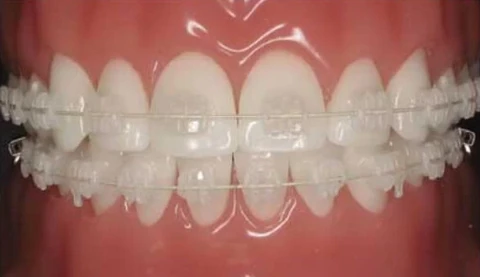
Fixed braces are sometimes associated with school years, but adults also choose them to improve tooth alignment and the way their teeth meet. You may be considering them because clear aligners are unsuitable for a particular movement, because you prefer an appliance you do not remove, or because a specialist has suggested a more controlled approach. Whatever your reason, understanding the practical journey can make treatment feel less daunting.
If you are comparing appliances, begin with Invisalign versus fixed braces. This article follows the experience of fixed braces treatment from assessment to retention, with emphasis on day-to-day decisions rather than a promise of quick or invisible results.
A related treatment-planning question is explored in Living with Braces: Hygiene, Food, Discomfort and Unplanned Repairs. This related guide addresses a different patient question and can help you compare your options without rushing a decision.
What happens before braces are fitted?
A consultation should explore what you want to change and why. Crooked front teeth may be your main concern, but the clinician will also assess the bite, gum health, existing restorations, missing teeth and the position of roots where appropriate. Records might include photographs, impressions or scans and radiographs when justified.
Any active tooth decay or gum disease should be identified and managed as part of safe planning. The clinician should explain the problems braces could address, alternatives and likely limits. It is sensible to ask whether the plan aims to change appearance alone or also how your teeth function together.
A detailed assessment is particularly important if you have existing crowns, bridges, implants or a history of tooth movement.
Choosing an appliance without focusing only on appearance
Fixed braces use brackets and wires to guide tooth movement. Appliances can differ in material and visibility, but the main choice should be based on clinical suitability, expected movement and your ability to care for them.
A less visible bracket may still require adjustments and careful cleaning. Ask about the expected appointments, comfort and any material or repair implications. Aesthetic preferences matter, yet they should be balanced with the bite changes required.
If a plan includes extractions, additional appliances or coordinated restorative work, request a clear explanation of why they are proposed and what alternatives have been considered.
The fitting appointment
At fitting, brackets are bonded to selected teeth and a wire is placed. The team should explain how to brush around the appliance, which foods may damage it, how to manage initial soreness and when to seek help.
Your mouth may feel unusually full at first. Some patients notice tender teeth or friction against the cheeks and lips before adapting. Your clinician can advise on suitable comfort measures and what symptoms warrant review. Avoid using improvised tools to bend wires or remove brackets.
Before leaving, check that you know what to do if a component becomes loose and how to contact the practice between scheduled visits.
What daily life feels like
Brackets and wires remain in place for meals and toothbrushing. Some foods are harder to manage and can break appliances. The team should give specific advice about what to avoid or prepare differently, without leaving you afraid to eat.
Cleaning takes more time because plaque and food can collect around brackets. You may need a combination of a toothbrush, interdental aids and other recommended tools. The precise routine should fit your gum health and dexterity. If you struggle, ask for another demonstration rather than pretending the original instructions were easy.
Speech usually adapts, but individual experience differs. It can help to plan important events around adjustment appointments if you tend to feel sore after them.
Why regular adjustments matter
Orthodontic appointments allow the team to assess progress, the bite and the health of the teeth and gums, as well as change wires or other components. The plan may evolve because actual tooth movement differs from the original prediction.
The clinician will look for unwanted effects, including areas that are difficult to clean or tooth movements that require a different approach. Ask which objective is being checked at each stage so progress is about more than how straight the front teeth appear.
Appointment intervals vary. A long gap should not be assumed safe simply because nothing is painful.
Bracket breakages and urgent problems
A loose bracket, protruding wire or broken appliance can be inconvenient. The right response depends on the part involved and whether it is injuring soft tissue. Contact your orthodontic team for instructions, especially if a component is loose or you cannot eat comfortably.
Do not try to cut, bend or repair the appliance without professional guidance. Doing so may damage the appliance or alter its action. If there is significant swelling, trauma or uncontrolled bleeding, seek appropriate urgent dental or medical care.
A good treatment plan should state how repairs are arranged and whether missed appointments or preventable damage can affect fees.
Working, travelling and social occasions
Fixed braces cannot be removed for a meeting or photograph. Many patients adapt comfortably, but if visibility is a major concern, discuss it early. There may be appliance choices or ways to manage photographs and public-facing commitments without compromising care.
If you travel frequently, ask what to do if a wire causes soreness away from home. Keep your orthodontic team's contact details available, and discuss longer trips before starting treatment.
The goal is to make the process compatible with real life rather than expecting your life to revolve around the appliance.
Finishing treatment and removing braces
The final stage should assess bite contacts, tooth positions and gum health, not simply remove the brackets when teeth look aligned. The clinician may recommend further adjustments if function or stability would benefit.
At removal, the brackets and adhesive are taken off and the tooth surfaces checked. Any changes to the enamel or restorations should be discussed. Where cosmetic reshaping or bonding is planned, ask how that could affect retainers.
Photographs of the final result can be useful, but they do not describe the maintenance responsibility that follows.
Retainers and lasting results
Teeth can move after orthodontic treatment, so retainers are an essential part of the plan. Options may include removable appliances, bonded fixed wires or both. The choice depends on the starting problem, the finishing bite and practical cleaning needs.
The British Orthodontic Society explains the importance of retention. Ask when and how to wear your retainers, what to do if they feel tight or break, and how replacement costs are handled.
Retention begins when active treatment ends, but planning for it should begin before braces go on.
Questions worth asking
- Which bite and alignment problems are braces intended to correct?
- Why is this appliance recommended over clear aligners?
- What are the alternatives and important risks?
- How often are reviews needed, and what happens if something breaks?
- What hygiene aids should I use?
- What does the quote include, including repairs and retainers?
- What signs would mean we need to revise the plan?
Taking time to understand the answers is part of choosing treatment confidently, not an inconvenience to the clinician.
References and further evidence
- NHS — Orthodontics and dental treatment choices.
- British Orthodontic Society — Retainers.
- NICE CG19 — Individualised oral health review.
Braces suitability, movement limits and treatment times depend on a personal clinical assessment. The final plan should be agreed with your treating orthodontic clinician.
Your next step, when you’re ready
We would be pleased to welcome you for a £30 consultation at your preferred Iconic Smiles practice. Bring your questions, and we can talk through the options that may suit you.
Any additional investigations and their fees will be explained before you decide.