
Super-master guide · Invisalign and teeth straightening
Living with Braces: Hygiene, Food, Discomfort and Unplanned Repairs
A practical troubleshooting pathway and preventive self-care, not teenage eligibility or appliance aesthetics.
Talk to us about straightening your teeth
You might have a particular change in mind, or simply want to know what is possible. At a £30 consultation, we can talk through your goals and explain how the next steps are planned.
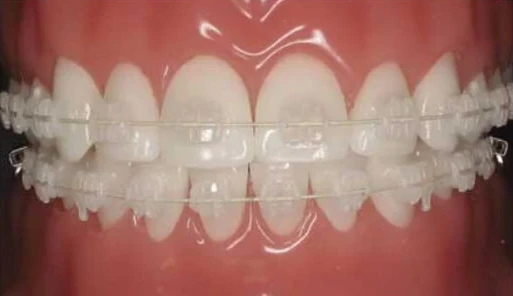
Braces can become a routine part of life, but the first few weeks may bring practical questions that are easy to underestimate. How do you clean around every bracket? Which meals are sensible? What if a wire irritates your cheek on a Friday evening? It is useful to know what is normal, what deserves advice and which problems you should not try to solve yourself.
Our guide to choosing fixed braces or Invisalign covers the broader decision. This guide is for people already considering or wearing fixed braces, with a focus on comfortable routines, protecting your teeth and getting help when something changes.
A related treatment-planning question is explored in Adult Fixed Braces: The Complete Treatment Journey. This related guide addresses a different patient question and can help you compare your options without rushing a decision.
Your cleaning routine matters more than perfect-looking brackets
Brackets create additional places where plaque can accumulate. Leaving plaque undisturbed can contribute to gum inflammation, tooth decay and marks on enamel around the appliance. A practical routine should clean the surfaces above and below brackets, along the gumline and between teeth as effectively as your dexterity allows.
Your dental team may recommend a small-headed brush, interdental brushes or other aids, depending on the appliance and your gums. Ask them to demonstrate using a mirror. It can help to practise while they observe rather than simply accepting a leaflet.
If an area repeatedly bleeds, feels swollen or is difficult to clean, ask for a review. Bleeding should not be dismissed because you are wearing braces.
Choosing food without making mealtimes stressful
Certain hard, sticky or brittle foods can damage brackets and wires. Foods that require biting directly into something firm may be easier to manage if cut into smaller pieces. A clinician can give appliance-specific guidance about what to avoid.
You can still enjoy a varied diet. The important change is how you approach potentially damaging foods and how you clean afterwards. Frequent sugary snacks or drinks can increase dental risks, especially when cleaning is more difficult.
If your teeth feel tender after an adjustment, choose comfortable textures until the soreness settles. Persistent pain deserves advice rather than being assumed a normal part of progress.
New tenderness: what to expect and when to ask
Tooth tenderness and awareness of the brackets may occur after fitting or an adjustment. Soft tissues may take time to adapt to new contact with components. The pattern and severity vary, and you should use only suitable discomfort measures recommended for your circumstances.
Contact the team if discomfort is severe, persists unexpectedly, prevents normal eating or is accompanied by swelling or other concerning symptoms. An appliance that appears to be causing an ulcer may need professional assessment.
The aim is not to tolerate unlimited discomfort. Safe treatment should include accessible advice when something feels wrong.
A loose bracket or a broken wire
If a bracket comes loose or a wire begins catching your cheek, tell the orthodontic practice what has happened and whether any part is moving or causing injury. They can advise how urgently it needs assessment.
Do not attempt to rebond brackets or improvise wire repairs at home. Incorrect changes may injure tissues or alter the intended tooth movement. If an appliance component is swallowed or inhalation is suspected, seek urgent professional guidance.
Knowing the practice's out-of-hours arrangements before a problem occurs reduces uncertainty.
Braces during work, school and travel
A small cleaning kit, a mirror and the contact information for your orthodontic team can make ordinary days easier. If your work involves long meetings, meals with clients or travel, plan how and when you will clean your teeth without treating every interruption as a failure.
For long trips, ask whether your next adjustment can reasonably be scheduled around travel and what to do if a component becomes uncomfortable away from the practice. Do not postpone urgent symptoms simply to maintain a routine appointment schedule.
People adapt at different speeds. If speech, eating or confidence remains difficult, it is appropriate to discuss this with your clinician.
White marks, gum inflammation and other warning signs
White marks around brackets can reflect early enamel changes and deserve assessment. Gum swelling, persistent bleeding, sensitivity or unpleasant taste should also be discussed. They may relate to plaque control or other dental problems and should not be automatically attributed to orthodontics.
Regular hygiene and appropriate dental examinations remain important throughout treatment. Your clinician may suggest additional professional cleaning or alterations to your routine if risk increases.
NICE recommends tailoring oral health review intervals to the individual's risk rather than giving everyone the same interval.
Why keeping appointments matters
A review allows the orthodontic team to check whether tooth movement is proceeding as intended, whether brackets and wires are working and whether your teeth and gums remain healthy. Missed reviews may delay treatment or allow a manageable problem to worsen.
If you have missed appointments, contact the practice rather than abandoning the process. The team can explain the safest next step and whether your planned sequence needs adapting.
Orthodontic treatment is a partnership: the clinician manages the appliance and movement plan, while your daily care helps protect the teeth.
What happens when braces are removed?
The teeth may look very different, but the next stage is not optional: you will need a retention plan. Teeth can move after treatment, so the clinician should explain the type of retainer, how to wear it and what happens if it breaks or no longer fits.
The British Orthodontic Society's retainer advice is a helpful starting point. Discuss whether you will have fixed, removable or combined retention and how to clean around each design.
A final professional assessment should check the bite and the health of the tooth surfaces after the brackets are removed.
A simple troubleshooting conversation
When you contact your practice, explain the symptom, the location of the problem, whether anything has broken, how long it has been happening and whether it affects swallowing, speaking or eating. Photographs may help if the team asks for them.
Ask whether you should be seen urgently, whether the appliance should be left undisturbed, and how the issue might affect your next adjustment. Do not guess at mechanical changes.
You are entitled to clear instructions. Questions are part of responsible care, not evidence that you are being difficult.
References and further evidence
- NHS — Dental and orthodontic treatments.
- British Orthodontic Society — Retainers.
- NICE CG19 — Risk-based dental review intervals.
This article provides general support, not emergency repair instructions. Contact your orthodontic team for appliance-specific problems and seek urgent care for severe symptoms.
Your next step, when you’re ready
We would be pleased to welcome you for a £30 consultation at your preferred Iconic Smiles practice. Bring your questions, and we can talk through the options that may suit you.
Any additional investigations and their fees will be explained before you decide.