
Repairing your teeth
Broken Tooth or Lost Filling: What to Do Before Seeing a Dentist
A broken tooth or lost filling should be assessed because the exposed area may be sensitive, prone to food trapping or structurally weakened.
Talk through your options for repairing teeth
If you would like to understand how a tooth might be repaired or protected, a £30 consultation offers time to discuss your concerns and what an individual assessment may involve.
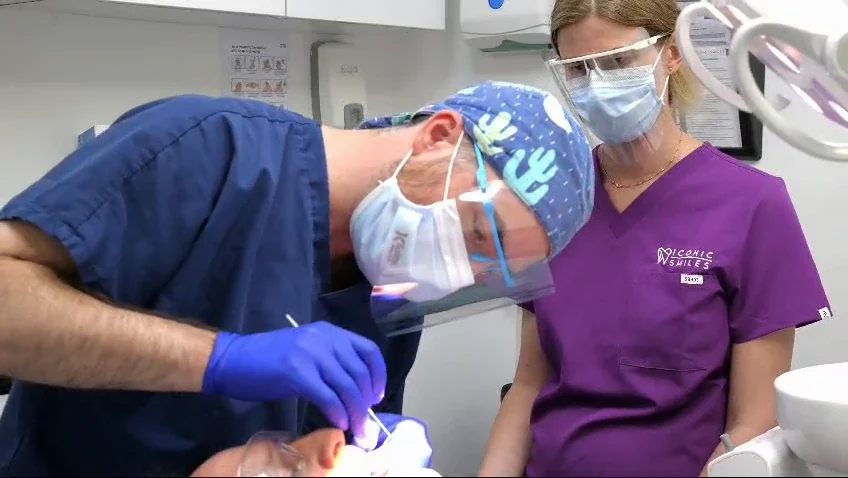
A broken tooth or lost filling should be assessed because the exposed area may be sensitive, prone to food trapping or structurally weakened. The urgency depends on pain, bleeding, sharp edges, trauma and whether the pulp is exposed. Home measures are temporary protection, not a replacement for dental diagnosis.
Check what has happened
A lost filling may leave a cavity with sound surrounding tooth, or it may reveal decay and fractured cusps. A fresh break after impact can involve the pulp or supporting tissues. Keep any fragment safely and bring it to the appointment; in some circumstances a fragment may be reusable. Do not assume a painless break can be ignored indefinitely.
What to do immediately
Avoid chewing hard foods on the damaged tooth and keep the area clean. If a sharp edge injures the tongue or cheek, ask the practice for prompt advice. Temporary dental repair products may offer limited short-term protection when used as directed, but do not seal a tooth reliably, treat infection or eliminate the need for assessment.
When the problem is urgent
Severe persistent pain, visible pink or red tissue in a new break, uncontrolled bleeding, a knocked-out tooth or significant trauma warrant prompt advice. Facial swelling, fever or systemic deterioration can indicate infection. Difficulty swallowing or breathing is an emergency. An injury to a permanent tooth may be time-sensitive even when the visible fragment looks small.
How the tooth may be repaired
Choices can include smoothing, bonded composite, fragment reattachment, a filling, onlay or crown. A deeper injury may require pulp-related treatment, root canal therapy or extraction depending on diagnosis and restorability. The plan should explain not only the cosmetic result but whether the tooth needs protection against repeat fracture.
Do not accidentally make the damage worse
Avoid household glue, filing the tooth yourself, forcing objects into the space or repeatedly testing pain by biting on it. If a whole permanent tooth is knocked out, urgent advice on handling and storage differs from management of a baby tooth; do not reimplant a primary tooth.
What to clarify with the dentist
At the appointment, understand how far the crack or cavity extends, whether the pulp is affected and whether a temporary repair is suitable. The dentist should explain when a definitive restoration is needed and what delaying it could mean for the tooth's outlook.
What can safely wait, and what should not?
If a filling falls out but the tooth is comfortable and intact, a dentist may arrange a prompt routine repair after considering sensitivity and the risk of further fracture. A sharp fractured edge that is cutting the tongue, a suspected crack extending below the gum or a break following significant trauma deserves more urgent discussion. Avoid testing the tooth by biting hard foods, and do not glue a dislodged crown or fragment with household adhesive. Retaining a detached piece cleanly for the clinician can sometimes help, but reattachment is not always possible or desirable.
The dentist will examine the amount of sound tooth remaining, the bite, possible cracks and the cause of failure. A modest defect may suit a bonded repair; a larger weakened cusp can need onlay or crown protection, while deep damage approaching the pulp changes the prognosis. Repeated replacement of an apparently simple filling without understanding why it fails can sacrifice more tooth structure over time. The best plan balances immediate comfort with preservation and long-term maintainability.
A lost restoration may expose a problem underneath
A filling can loosen because of decay, wear, a fracture beside it or limitations of its bond. Sometimes the filling remains intact while part of the tooth breaks away. These findings need different repairs, and simply making a replacement bigger may remove more tissue without addressing the cause. The dentist checks whether the area can be kept dry, how far the margins extend below the gum and whether the pulp may be affected.
If the same restoration repeatedly comes out, bite forces and the support beneath the cusps need review. Partial coverage of weakened cusps or a different material may be appropriate after assessment. Keep a detached crown for the dentist to examine, and avoid household glue, which can damage fit or tissues. Get individual advice before using a temporary repair product.
Sources and professional guidance
Applying the information:
Your next step, when you’re ready
We would be pleased to welcome you for a £30 consultation at your preferred Iconic Smiles practice. Bring your questions, and we can talk through the options that may suit you.
Any additional investigations and their fees will be explained before you decide.